
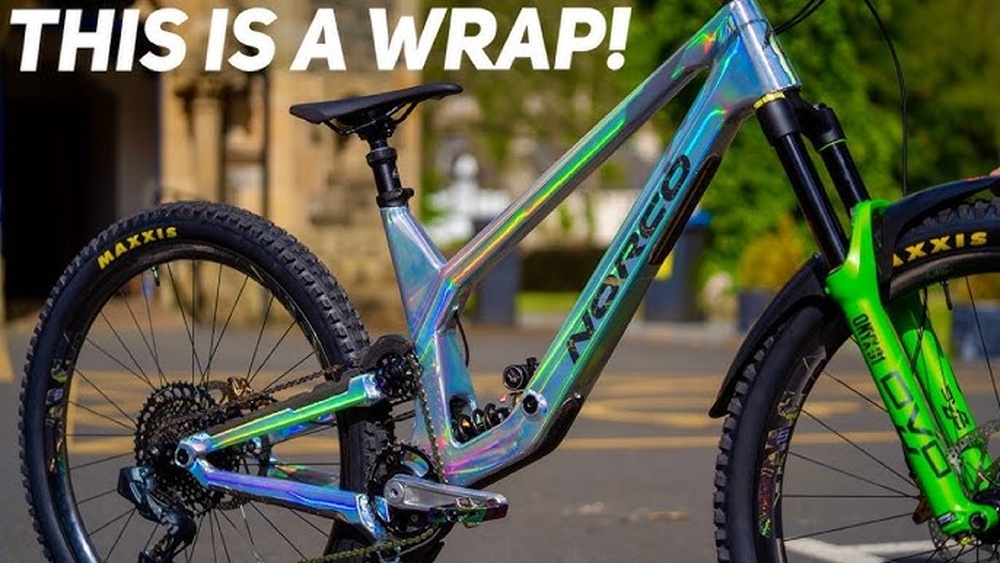
Want to give your bike a fresh, unique look without spending a fortune? Wrapping your bike with vinyl is the perfect way to do just that.
It’s easier than you might think, and the results can be stunning. Imagine turning heads every time you ride, with a custom design that shows off your style. In this guide, you’ll learn step-by-step how to wrap your bike with vinyl, avoid common mistakes, and achieve a smooth, professional finish.
Ready to transform your ride? Let’s dive in!
Materials Needed
Wrapping a bike with vinyl needs the right materials. Having these ready makes the process smooth and fun. Each item plays an important role in getting a clean, lasting finish.
Gathering all materials before starting helps avoid delays. It also makes the work more organized and less stressful.
Choosing The Right Vinyl
Pick vinyl made for outdoor use. It should be strong and weatherproof. Glossy or matte finishes change the look. Choose based on your style. Check the vinyl thickness. Thicker vinyl lasts longer but is harder to apply. A good size sheet covers the whole bike with extra to spare.
Essential Tools
You need a squeegee to smooth out air bubbles. A sharp craft knife helps cut the vinyl precisely. Use a heat gun or hairdryer to soften the vinyl for curves. Clean cloths and rubbing alcohol remove dirt before wrapping. Gloves protect your hands and keep the vinyl clean.
Preparing The Workspace
Work in a clean, dry area with good light. Clear space to move around the bike easily. A flat table helps hold tools and vinyl sheets. Avoid dusty or windy places. Make sure the temperature is mild. Extreme cold or heat affects vinyl sticking well.

Credit: www.arloren.com
Preparing The Bike
Preparing the bike is the first step before wrapping it with vinyl. This step ensures the vinyl sticks well and lasts longer. A clean and smooth surface helps avoid bubbles and peeling later.
Taking time to prepare the bike saves effort in the wrapping process. Follow each step carefully for the best results.
Cleaning And Drying
Start by washing the bike thoroughly. Use soap and water to remove dirt, grease, and dust. Pay attention to all surfaces, especially corners and joints.
Rinse the bike well to remove all soap. Use a clean cloth to dry every part completely. Any moisture left can weaken the vinyl’s grip.
Removing Accessories
Take off parts like water bottle holders, lights, and bike bags. These can block the vinyl and create bumps. Removing them makes wrapping easier and neater.
Keep all screws and small parts safely. You will need them to reattach accessories after wrapping.
Sanding And Priming
Lightly sand the bike frame with fine-grit sandpaper. This roughens the surface slightly, helping the vinyl stick better. Avoid sanding too hard to prevent damage.
Apply a primer designed for vinyl wraps. This step improves adhesion and extends the vinyl’s life. Let the primer dry fully before applying the vinyl.
Measuring And Cutting Vinyl
Measuring and cutting vinyl are key steps in wrapping a bike. Precise measurements ensure the vinyl fits well. Proper cutting avoids waste and keeps the design neat. This section explains how to measure and cut vinyl accurately.
Taking Accurate Measurements
Start by cleaning the bike surface. Dirt can cause errors in measurement. Use a flexible tape measure for curves and edges. Measure each bike part separately. Note down the length and width carefully. Double-check your numbers before cutting.
Cutting Techniques
Use a sharp utility knife or vinyl cutter. Cut on a flat, stable surface to avoid mistakes. Cut slightly larger than your measurements. This extra margin helps with adjustments later. Keep the blade straight for clean edges. Avoid pulling or stretching the vinyl while cutting.
Marking Guidelines
Use a light pencil or washable marker. Mark the cutting lines on the vinyl gently. Make sure the lines are straight and visible. Check the marks against your measurements again. These guidelines help keep your cuts precise. Remove marks after cutting if needed.

Credit: www.liftingitalia.com
Applying The Vinyl
Applying vinyl to your bike is a key step in the wrapping process. It needs care and patience to get a smooth finish. This part shapes the bike’s new look. Follow simple steps to avoid wrinkles and bubbles.
Positioning The Vinyl
Start by cleaning the bike frame well. Dirt can stop the vinyl from sticking. Peel off the backing paper slowly. Place the vinyl carefully on the bike. Align it to cover the parts you want. Do not press it down yet. Check the fit and adjust if needed.
Using Heat For Flexibility
Heat makes the vinyl soft and easy to shape. Use a heat gun or hairdryer on low heat. Warm the vinyl evenly but don’t overheat. Heat helps the vinyl bend around curves smoothly. Keep the heat moving to avoid damage.
Smoothing Out Bubbles
Use a squeegee or soft cloth to press the vinyl. Start from the center and push outwards. This removes air bubbles trapped underneath. Work slowly and carefully for a flat surface. If bubbles remain, warm the vinyl and smooth again.
Trimming And Finishing
Taking care of your vinyl-wrapped bike helps keep it looking fresh and new. Proper maintenance stops dirt build-up and damage. It also extends the life of the vinyl wrap. Follow these simple tips to maintain your bike wrap easily.
Cleaning Wrapped Bikes
Use a soft cloth or sponge to clean the wrap. Wash gently with mild soap and water only. Avoid harsh chemicals or strong detergents. Rinse well and dry with a clean towel. Clean your bike regularly to prevent dirt from sticking.
Avoiding Damage
Keep your bike away from sharp objects and rough surfaces. Avoid parking in direct sunlight for long times. Do not use abrasive brushes or scrapers on the wrap. Handle your bike carefully to prevent scratches and tears. Store your bike in a safe, dry place.
Repairing Small Tears
Fix small tears quickly to stop them from growing. Use vinyl repair kits made for bike wraps. Clean the torn area before applying the repair patch. Press the patch firmly and smooth out any bubbles. Check repairs often and reapply if needed.

Credit: www.youtube.com
Frequently Asked Questions
How Do You Prepare A Bike For Vinyl Wrapping?
Clean the bike thoroughly to remove dirt and grease. Remove any accessories or parts that may obstruct wrapping. Dry the surface completely to ensure vinyl adhesion. Proper preparation prevents bubbles and ensures a smooth finish.
What Tools Are Needed To Wrap A Bike With Vinyl?
You’ll need vinyl wrap sheets, a heat gun, a squeegee, a utility knife, and cleaning supplies. These tools help in applying vinyl smoothly and trimming excess material. Using the right tools ensures a professional-looking wrap.
Can Vinyl Wrap Protect My Bike’s Original Paint?
Yes, vinyl wrap acts as a protective layer against scratches and UV damage. It preserves the paint underneath while allowing easy removal. This helps maintain the bike’s resale value and original appearance.
How Long Does A Vinyl Bike Wrap Usually Last?
A well-applied vinyl wrap can last between 3 to 5 years. Its lifespan depends on exposure to weather, maintenance, and quality of vinyl used. Regular cleaning extends the wrap’s durability.
Conclusion
Wrapping a bike with vinyl adds style and protects the frame. Take your time and clean the bike well before starting. Use smooth, even strokes to avoid bubbles and wrinkles. Cutting carefully around curves and edges helps the wrap fit perfectly.
Practice makes the process easier and faster. Enjoy your bike’s fresh, new look and the protection vinyl provides. Simple steps lead to great results. Try it yourself and see the difference!


