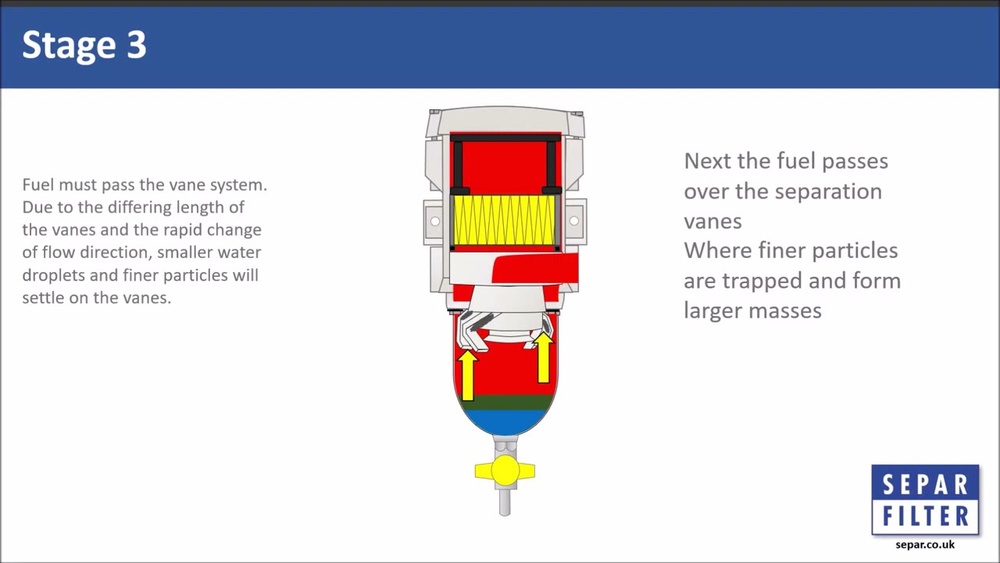
When was the last time you thought about your vehicle’s fuel filter? You might not realize it, but this small part plays a big role in keeping your engine running smoothly.
Ignoring it can lead to serious problems—and costly repairs. So, how often should you replace your fuel filter to avoid trouble and keep your car performing at its best? Keep reading, because knowing the right timing can save you time, money, and stress on the road.
Credit: bostechauto.com
Role Of Fuel Filter
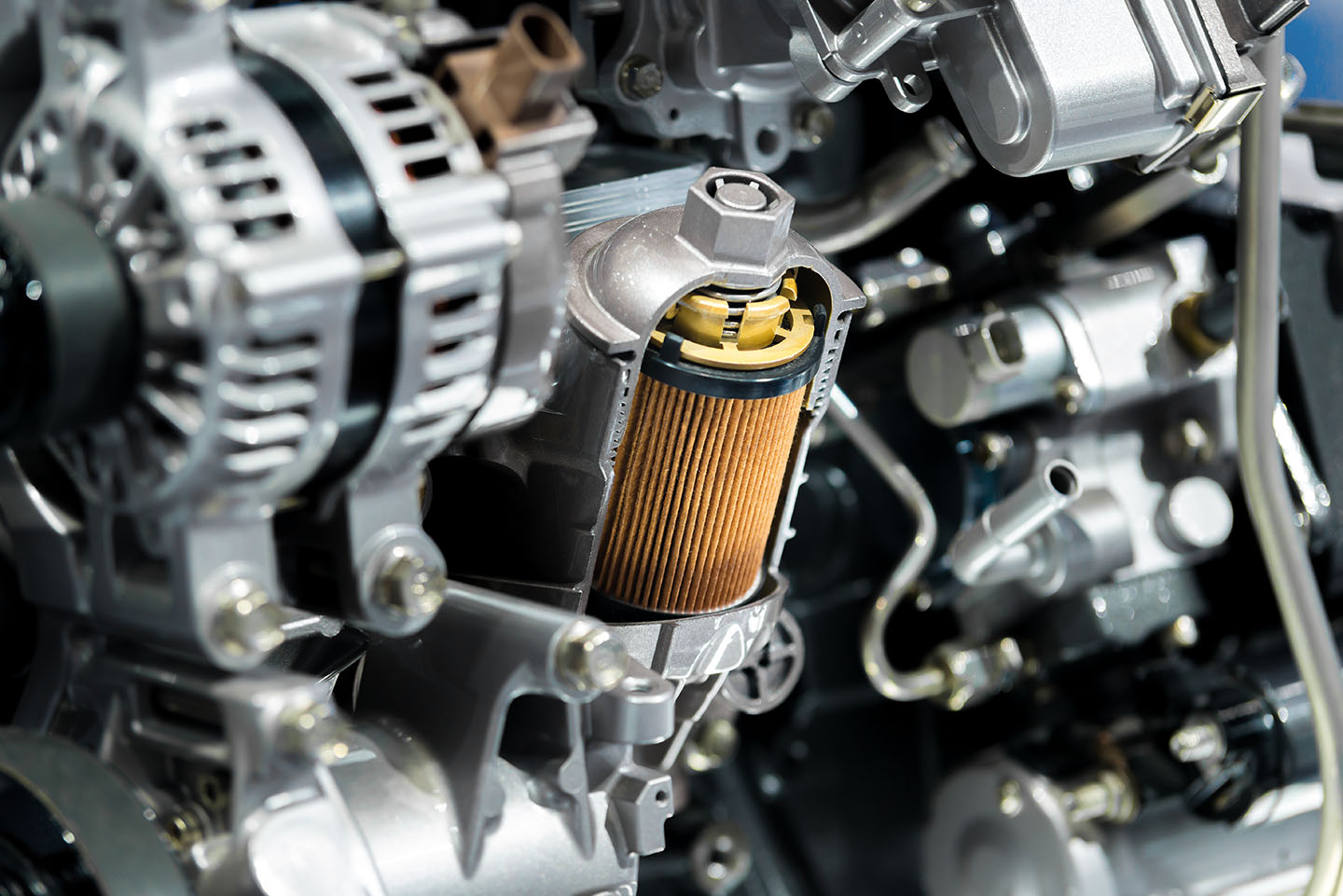
The fuel filter plays a key role in your vehicle’s fuel system. It cleans the fuel before it reaches the engine. This helps the engine run smoothly and last longer. Understanding the fuel filter’s role helps you know why replacing it matters.
Fuel Filter Functions
The fuel filter removes dirt, rust, and other particles from the fuel. These impurities can come from the fuel tank or fuel pump. The filter stops them from entering the engine. Clean fuel means better combustion and less engine wear. The filter also protects fuel injectors from clogging.
Impact On Engine Health
A dirty or clogged fuel filter can cause many engine problems. It may reduce fuel flow, causing poor engine performance. The engine might hesitate, stall, or lose power. Over time, dirty fuel harms engine parts, leading to costly repairs. Regular filter replacement keeps the engine healthy and efficient.
Credit: www.bigboxcars.com.au
Signs To Replace Fuel Filter
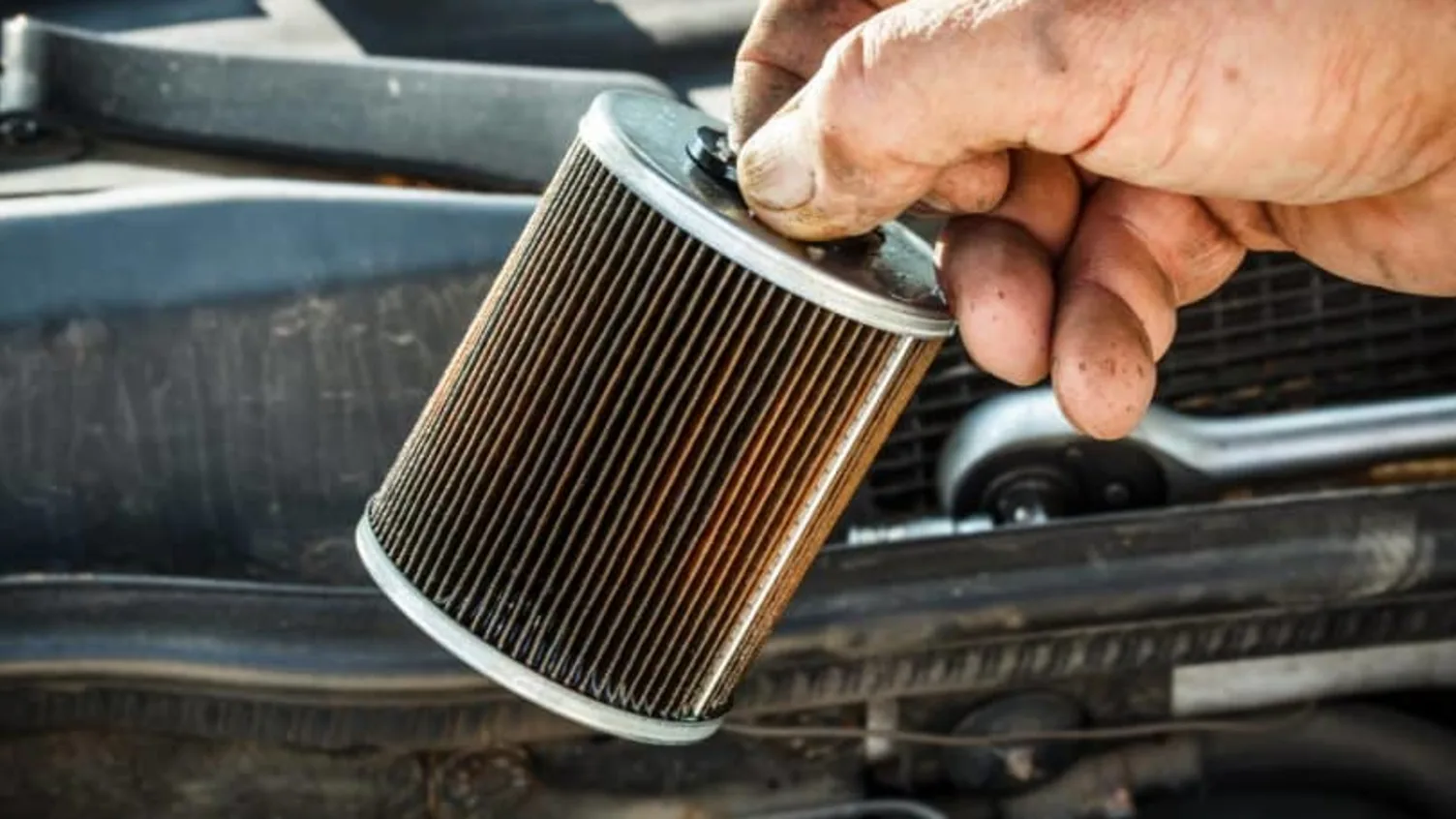
Knowing the signs to replace your fuel filter helps keep your car running well. The fuel filter stops dirt and rust from reaching the engine. Over time, it gets clogged. This causes problems that affect your car’s performance. Watch for these signs to avoid bigger issues.
Engine Performance Issues
A clogged fuel filter can make the engine run rough. You might notice the engine hesitating or stalling. Sometimes, it struggles to start or loses power. These happen because the engine does not get enough clean fuel. Fixing the fuel filter often solves these problems.
Fuel Efficiency Drops
Your car may use more gas than usual. A dirty fuel filter blocks fuel flow, causing poor fuel burning. This means your car burns more fuel to run the same distance. You save money by replacing the filter on time. It keeps fuel use low and engine healthy.
Unusual Noises
Strange sounds from the engine can point to a bad fuel filter. You might hear sputtering or knocking while driving. These noises happen because the engine struggles without enough fuel. Changing the fuel filter can stop these sounds and protect the engine.
Recommended Replacement Intervals
Knowing when to replace your fuel filter helps keep your engine healthy. A clean fuel filter stops dirt and rust from reaching the engine. This keeps your car running smoothly and saves money on repairs. The best way to know when to change it is by following recommended intervals. These vary depending on the car and driving style.
Manufacturer Guidelines
Car makers give clear advice on fuel filter changes. Check your vehicle’s manual for exact intervals. Most suggest changing the filter every 20,000 to 40,000 miles. Some newer cars have filters that last longer. Following these guidelines prevents engine problems and keeps fuel flow steady.
Driving Conditions Impact
Driving conditions affect how fast your fuel filter clogs. Dusty roads or rough terrain fill the filter with more dirt. City driving with lots of stops and starts can also wear the filter faster. In these cases, changing the filter sooner than the manual suggests is wise. Regular checks help spot a dirty filter early.
Replacing Fuel Filter
Replacing the fuel filter is a key part of car maintenance. The fuel filter stops dirt and rust from reaching the engine. Over time, the filter gets clogged and loses its job. This can make the engine slow or even stop working. Changing the fuel filter keeps your car running smooth and saves money on repairs.
Many drivers can replace the fuel filter by themselves. Others may prefer to get help from a mechanic. Knowing when and how to replace the filter helps avoid car troubles.
Diy Replacement Tips
Start by checking your car’s manual for the fuel filter location. Most cars have it near the fuel tank or engine. Use safety gloves and goggles to protect yourself. Relieve fuel pressure before removing the old filter. Use the right tools to avoid damage. Install the new filter in the same direction as the old one. Tighten all connections well to stop leaks. After replacement, start the engine and check for leaks. Test drive the car to ensure smooth running.
When To Seek Professional Help
Choose a mechanic if the fuel filter is hard to reach. If you do not have the right tools, get expert help. Strange engine noises or poor performance after replacement need a check. Professionals can spot other fuel system problems early. Regular service visits can save time and avoid mistakes. Trust experts to keep your fuel system clean and safe.
Consequences Of Neglect
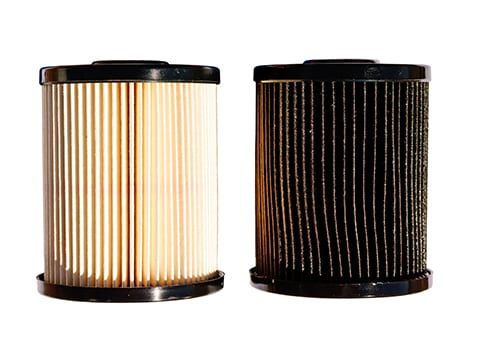
Ignoring the fuel filter replacement can cause serious problems. Dirt and debris build up inside the filter. This blocks fuel flow and harms engine parts. The engine struggles to get clean fuel. Over time, this leads to costly damage and repairs. Understanding these risks helps you maintain your vehicle better.
Engine Damage Risks
A clogged fuel filter lets dirt enter the engine. This dirt causes wear on fuel injectors and cylinders. The engine may run rough or stall unexpectedly. Poor fuel flow reduces engine power and efficiency. Repairing engine damage costs much more than replacing a filter.
Increased Maintenance Costs
Neglecting the fuel filter leads to frequent breakdowns. It shortens the lifespan of other fuel system parts. You may need to replace the fuel pump or injectors early. These repairs are expensive and time-consuming. Regular filter changes prevent costly maintenance bills.
Credit: www.waynesautocenter.com
Fuel Filter Types
Fuel filters play a key role in protecting your vehicle’s engine. They stop dirt, rust, and other particles from reaching the engine. Different fuel filter types serve the same purpose but work in different ways. Understanding these types helps you know how often to replace them.
Paper Filters
Paper filters use special paper to trap dirt and debris. They are common in many cars because they are cheap and effective. These filters need regular replacement as they clog over time. A clogged paper filter reduces fuel flow and hurts engine performance.
Mesh Filters
Mesh filters have a metal screen that catches larger particles. They are reusable and easy to clean. These filters last longer but still need inspection. If the mesh is damaged or clogged, it can cause fuel issues.
Spin-on Filters
Spin-on filters are sealed units that screw onto the fuel line. They combine a filter element with a metal casing. These filters are simple to replace and provide good protection. Changing them regularly keeps your engine safe from contaminants.
Fuel Quality And Filter Life
Fuel quality plays a big role in how long a fuel filter lasts. Clean fuel keeps the filter free from dirt and particles. Poor fuel quality clogs the filter fast. This forces you to change the filter more often. Understanding fuel quality helps protect the filter and engine. It saves money on repairs and fuel system problems.
Effects Of Contaminated Fuel
Contaminated fuel carries dirt, rust, and water. These impurities block the fuel filter quickly. A clogged filter reduces fuel flow to the engine. This causes engine misfires, poor performance, and hard starts. Dirty fuel also damages fuel injectors and pumps. It raises repair costs and lowers fuel efficiency.
Preventive Measures
Buy fuel from trusted gas stations only. Check fuel storage tanks for cleanliness. Avoid filling fuel in dusty or wet conditions. Use fuel additives that clean and protect the fuel system. Change the fuel filter on schedule to avoid damage. Regular checks keep the fuel system healthy and running smoothly.
Frequently Asked Questions
How Often Should I Replace My Car’s Fuel Filter?
Typically, replace your fuel filter every 20,000 to 40,000 miles. Check your owner’s manual for exact intervals. Regular replacement ensures clean fuel flow and engine efficiency.
What Happens If I Delay Fuel Filter Replacement?
Delaying replacement can clog the filter, reducing fuel flow. This causes poor engine performance, stalling, and possible damage to fuel injectors.
Can A Dirty Fuel Filter Affect Gas Mileage?
Yes, a clogged fuel filter restricts fuel flow, making the engine work harder. This results in decreased fuel efficiency and higher gas consumption.
How Do I Know When To Replace My Fuel Filter?
Signs include engine misfires, hesitation, stalling, or difficulty starting. If these occur, inspect and replace the fuel filter promptly to avoid damage.
Conclusion
Replacing your fuel filter regularly keeps your engine running smoothly. Dirty filters block fuel flow and cause problems. Check your vehicle’s manual for the right replacement schedule. Clean filters help save fuel and reduce engine wear. Don’t wait for trouble to start—stay ahead with timely changes.
A small effort now avoids costly repairs later. Keep your car healthy and enjoy a safer drive every day. Simple steps make a big difference. Stay smart about fuel filter care.