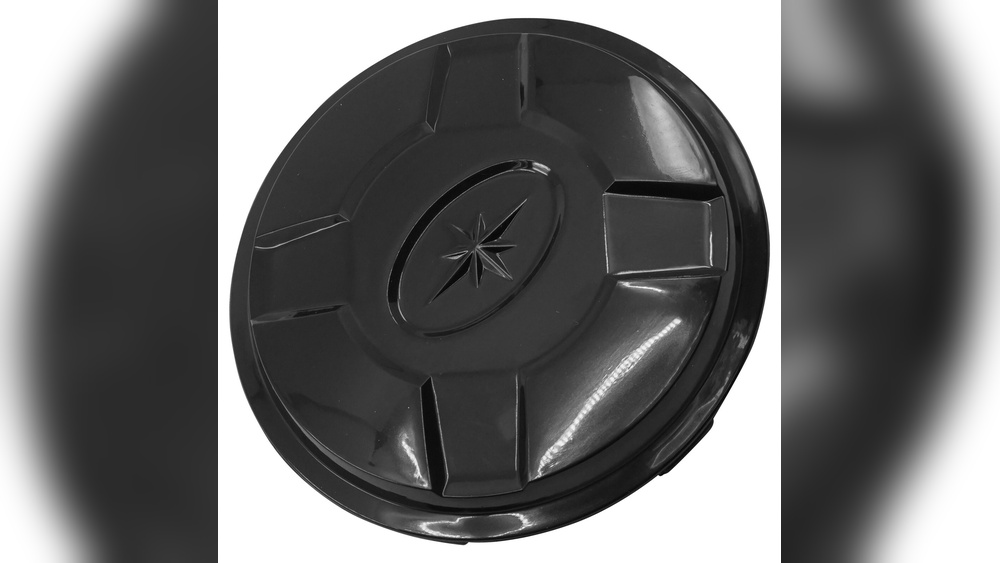
Are you ready to give your wheels a fresh, eye-catching look without spending a fortune? Vinyl wrapping your wheels is a smart and affordable way to transform your ride instantly.
But if you’ve never tried it before, it can feel a bit tricky. Don’t worry—this guide will walk you through each step clearly and simply. By the end, you’ll know exactly how to vinyl wrap your wheels like a pro, making your car stand out wherever you go.
Keep reading, and let’s get started on your wheel makeover!
Credit: theartworks.com
Preparing Your Wheels
Preparing your wheels is the first step in a successful vinyl wrap project. This stage ensures the wrap sticks well and lasts long. Careful preparation prevents bubbles and peeling later. It takes time but is worth every minute.
Cleaning And Degreasing
Start by washing your wheels with soap and water. Remove all dirt and dust. Use a soft brush to reach small areas. Next, apply a degreaser to clear oils and grease. Wipe the wheels with a clean cloth. This step helps the vinyl stick better.
Removing The Wheels
Take off the wheels from your car. Use a jack and wheel wrench for safety. Removing wheels makes wrapping easier and more precise. It also lets you clean hard-to-reach spots. Keep the wheels in a clean place to avoid dust.
Inspecting For Damage
Check each wheel closely for cracks or scratches. Small flaws can show through the vinyl. Fix any damage before wrapping. Smooth out rough areas with sandpaper if needed. A good surface ensures a smooth and neat wrap.
Choosing The Right Vinyl Wrap
Choosing the right vinyl wrap is key to a great wheel transformation. The right wrap protects your wheels and gives them a fresh look. It also makes the wrapping process easier and lasts longer. Understanding different types, colors, and sizes helps you pick the best vinyl for your needs.
Types Of Vinyl Wraps
Vinyl wraps come in different types. Cast vinyl is flexible and strong. It molds well around curves and lasts longer. Calendered vinyl is thicker and less flexible. It suits flat surfaces better but may crack on tight curves. For wheels, cast vinyl is often the best choice. It resists heat and dirt well.
Color And Finish Options
Vinyl wraps offer many colors and finishes. Glossy wraps shine and look new. Matte wraps give a smooth, flat look. Satin wraps fall between glossy and matte. Some wraps mimic metal, carbon fiber, or chrome. Pick a color and finish that fits your style and car look. Dark colors hide dirt better, while bright colors stand out more.
Measuring For Wrap Size
Measuring wheels before buying vinyl is very important. Measure the wheel diameter and width carefully. Add extra length for edges and curves. Too small wrap will not cover the whole wheel. Too large wrap can cause wrinkles. Accurate measurement saves time and money. Use a tape measure and write down the numbers clearly.
Tools And Materials Needed
Before starting to vinyl wrap your wheels, gather all the right tools and materials. Having everything ready makes the process smoother and faster. The right tools help you apply the vinyl without bubbles or wrinkles. Safety gear protects your hands and eyes during the work.
Essential Tools
- Vinyl wrap film designed for wheels
- Heat gun or hair dryer to soften the vinyl
- Squeegee with a felt edge to smooth the vinyl
- Precision knife or utility blade for trimming excess vinyl
- Measuring tape to size the wrap accurately
- Isopropyl alcohol and clean cloth for surface cleaning
Additional Supplies
- Masking tape to hold vinyl in place temporarily
- Gloves to avoid fingerprints on the vinyl
- Plastic or rubber gloves for better grip
- Soft microfiber cloths to remove dust and dirt
- Spray bottle with soapy water to help reposition vinyl
Safety Gear
- Protective gloves to avoid cuts from blades
- Safety glasses to protect eyes from flying debris
- Work in a well-ventilated area to avoid fumes
- Wear long sleeves to protect skin from heat gun
Credit: theartworks.com
Cutting And Preparing The Vinyl
Cutting and preparing the vinyl is an important step for wrapping wheels. This step ensures the vinyl fits perfectly and looks smooth. Careful measuring and cutting help avoid waste and mistakes. Also, preparing the vinyl correctly makes it easier to apply and stretch around curves.
Measuring The Vinyl
Start by measuring the wheel’s diameter and width. Add a few extra inches on all sides. This extra vinyl helps cover edges and allows room for stretching. Use a flexible tape measure for accuracy. Write down the measurements before cutting.
Cutting Techniques
Use a sharp utility knife or scissors to cut the vinyl. Cut on a clean, flat surface to avoid mistakes. Make straight cuts to keep edges neat. Avoid cutting too close to the measured size. Leave a small margin to adjust during application.
Heating And Stretching Basics
Heat the vinyl with a heat gun or hairdryer before wrapping. Warm vinyl becomes soft and easier to stretch. Stretch the vinyl gently over curves to avoid wrinkles. Keep the heat moving to prevent damage. Let the vinyl cool to hold its shape.
Applying The Vinyl Wrap
Applying the vinyl wrap on your wheels is a careful process. It needs patience and attention to detail. This step shapes how your wheels look at the end. Proper application helps the wrap last longer and look smooth.
Aligning The Vinyl
Start by placing the vinyl near the wheel’s surface. Make sure the design or color faces out. Check that the edges match the wheel’s curves. Align the vinyl carefully to avoid cuts later. Positioning it right saves time and effort.
Using Heat For Flexibility
Heat softens the vinyl. Use a heat gun or warm air from a hairdryer. Gently warm the vinyl to make it easier to bend. Heat helps the wrap fit tight around curves. Avoid overheating to prevent damage to the vinyl.
Smoothing Out Bubbles And Wrinkles
Use a squeegee or soft cloth to press the vinyl. Start from the center and move outwards. Push out any air bubbles trapped under the wrap. Smooth out wrinkles by stretching the vinyl gently. Take your time to get a clean, flat surface.

Credit: www.youtube.com
Trimming And Finishing Edges
Trimming and finishing edges is a key step in vinyl wrapping wheels. It gives the wheels a smooth, clean look. Proper trimming stops the vinyl from peeling off. Finishing edges well helps the wrap last longer. This step requires patience and care for the best results.
Precise Cutting Tips
Use a sharp blade for clean cuts. Dull blades can tear the vinyl. Cut slowly along the edges of the wheel. Leave a small margin to avoid cutting too much. Use a ruler or straight edge for accuracy. Always cut away from your body for safety.
Sealing Edges
Heat the edges gently with a heat gun. Warm vinyl sticks better to curves and corners. Press edges firmly using a squeegee or your fingers. This seals the vinyl to the wheel surface. Proper sealing stops dirt and moisture from getting under the wrap.
Checking For Imperfections
Inspect the wrapped wheel under good light. Look for bubbles, wrinkles, or loose edges. Smooth out any bubbles by pressing or reheating. Fix loose edges by applying more heat and pressure. Perfect edges make the wrap look professional and last longer.
Reinstalling The Wheels
Reinstalling the wheels is the final step after wrapping them with vinyl. This process ensures the wheels fit safely and function well. Proper care during this step prevents damage and keeps your vehicle secure.
Proper Mounting Techniques
Align the wheel carefully with the hub. Avoid forcing the wheel into place. Hand-tighten the lug nuts to hold the wheel steady. Use a star pattern to tighten nuts evenly. This helps the wheel sit flat and balanced.
Torque Specifications
Use a torque wrench to tighten the lug nuts. Follow your vehicle’s recommended torque settings. Tighten nuts gradually in a star pattern. Over-tightening can damage the wheel or studs. Under-tightening can cause the wheel to loosen.
Final Inspection
Check that all lug nuts are secure. Inspect the wheel for any gaps or misalignment. Spin the wheel to ensure it moves smoothly. Look for any signs of rubbing or interference. Confirm the vinyl wrap remains intact and undamaged.
Maintenance And Care Tips
Taking care of vinyl-wrapped wheels is important. Good care keeps them looking fresh and new. It helps avoid damage and saves money on repairs. Follow simple steps to protect your wrap and keep it shining.
Cleaning Wrapped Wheels
Use a soft cloth or sponge to clean wheels. Wash with mild soap and water only. Avoid harsh chemicals or strong cleaners. Rinse well to remove all soap. Dry with a soft towel to stop water spots.
Avoiding Damage
Do not use abrasive brushes or scrubbers. Avoid pressure washers near the wrap edges. Stay away from sharp tools or objects. Watch for curbs and road debris when driving. Park in shaded areas to reduce sun damage.
Longevity Tips
Clean wheels regularly to prevent dirt buildup. Apply a vinyl-safe protectant to keep the surface flexible. Avoid long exposure to extreme heat or cold. Fix small tears or bubbles quickly to stop worsening. Store your car in a garage when possible.
Frequently Asked Questions
How Long Does Vinyl Wrap On Wheels Last?
Vinyl wraps on wheels typically last 3 to 5 years. Durability depends on weather, cleaning, and driving conditions. Proper care extends lifespan. Avoid harsh chemicals and abrasive cleaning tools to maintain wrap quality. Regular washing with mild soap helps preserve color and adhesion.
Can I Vinyl Wrap Wheels Myself?
Yes, you can vinyl wrap wheels yourself with patience and proper tools. Clean wheels thoroughly before wrapping. Use a heat gun for better vinyl adhesion and flexibility. Practice on small areas first. Detailed work demands precision and time, so be prepared for a learning curve.
What Tools Are Needed For Vinyl Wrapping Wheels?
Essential tools include vinyl wrap film, a heat gun, a squeegee, and a sharp utility knife. Clean cloth and isopropyl alcohol help prepare the surface. Gloves and masking tape assist in positioning the wrap precisely. Having all tools ready improves wrap application success.
Does Vinyl Wrapping Damage Wheels?
Properly applied vinyl wraps do not damage wheels. Vinyl protects the original paint from scratches and dirt. Removing the wrap carefully prevents adhesive residue or paint peeling. Avoid using excessive heat or force during installation and removal to keep wheels intact.
Conclusion
Vinyl wrapping your wheels can change their look quickly and affordably. Take your time and follow each step carefully. Clean wheels help the vinyl stick better and last longer. Use a heat gun to shape the wrap around curves smoothly.
Small bubbles can be fixed by gently pressing them out. With patience, your wheels will look fresh and unique. This project lets you personalize your ride without heavy costs. Try it yourself and enjoy the new style on your wheels.