

Have you ever wondered why your car sometimes struggles to start or feels less powerful on the road? One common cause might be a clogged fuel filter.
Knowing how to check your fuel filter can save you time, money, and frustration down the line. You’ll learn simple steps to inspect your fuel filter and spot potential problems before they become serious. Keep reading to make sure your engine runs smoothly and your drive stays trouble-free.

Credit: www.autonationmobileservice.com
Signs Of A Clogged Fuel Filter
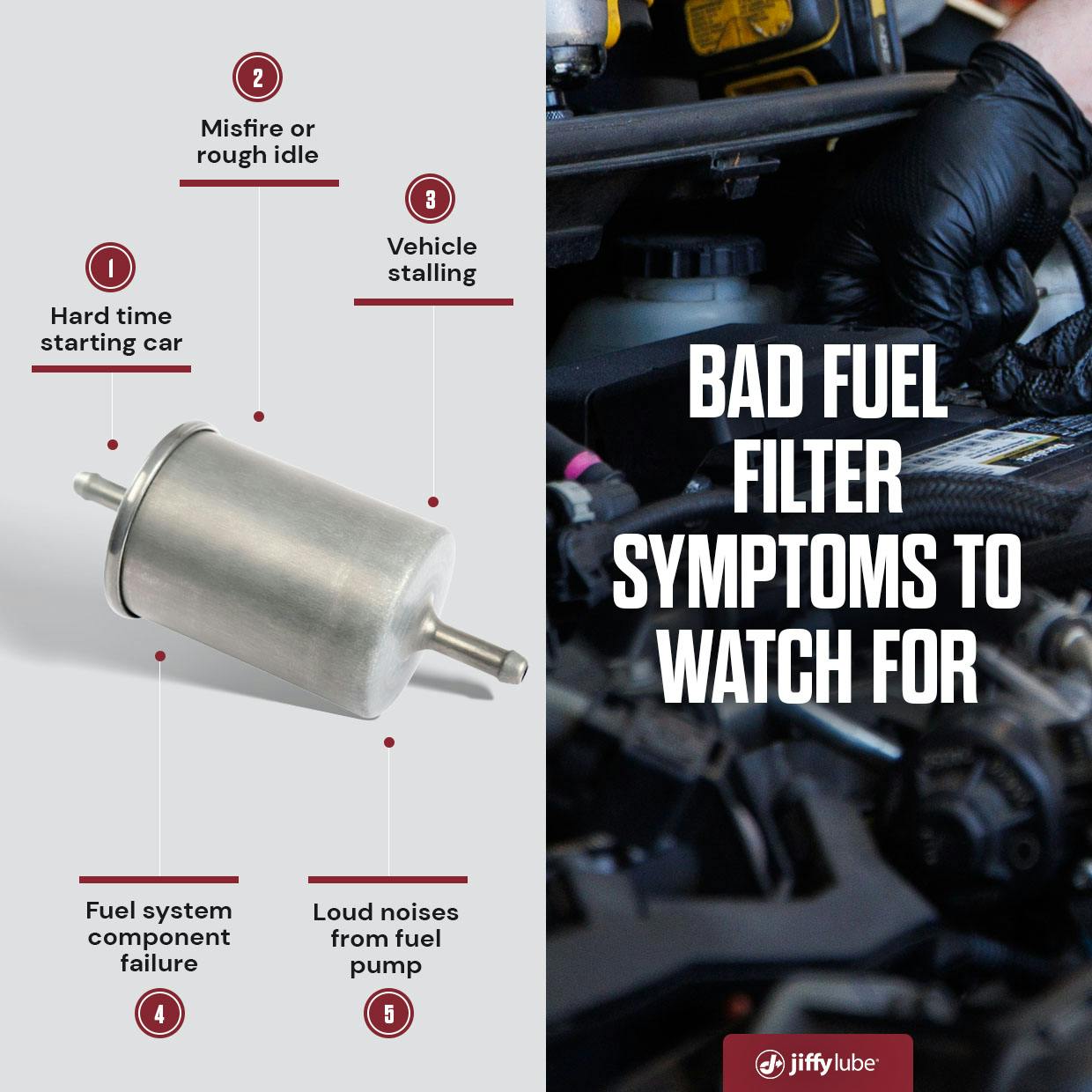
A clogged fuel filter can cause several problems in your vehicle. It stops fuel from flowing smoothly. This can lead to poor engine function and other issues. Recognizing the signs early helps avoid serious damage. Watch for these common symptoms of a blocked fuel filter.
Engine Performance Issues
Your engine may run rough or hesitate during acceleration. It might sputter or stall unexpectedly. These happen because the engine does not get enough fuel. Lack of fuel causes poor combustion and uneven power output.
Fuel Efficiency Drop
You might notice your car uses more fuel than usual. A clogged filter forces the engine to work harder. This extra effort burns more fuel. Lower fuel efficiency means higher costs and more trips to the pump.
Starting Problems
Your vehicle could take longer to start or fail to start. The clogged filter restricts fuel flow to the engine. Without enough fuel, ignition struggles or won’t happen. This sign is common in older cars with dirty filters.
Tools Needed For Inspection
Checking the fuel filter requires a few simple tools. Having the right tools makes the job easier and safer. This section explains the basic hand tools and safety equipment needed for a proper inspection.
Basic Hand Tools
Start with a wrench or socket set. These help remove bolts or clamps holding the fuel filter. A screwdriver may be needed to loosen hose clamps. Pliers help disconnect fuel lines carefully. A clean cloth or rag is useful to wipe off dirt. Keep a small container ready to catch fuel spills.
Safety Equipment
Wear safety goggles to protect your eyes from fuel splashes. Use gloves to keep your hands clean and safe. Work in a well-ventilated area to avoid breathing fuel fumes. Have a fire extinguisher nearby for emergencies. Proper safety gear prevents accidents and keeps the inspection smooth.
Locating The Fuel Filter
Knowing where the fuel filter is helps check it quickly and easily. The fuel filter cleans dirt and rust from the fuel. Finding it is the first step to keep the engine running well. The location varies by car model and type. This guide shows common places to find the fuel filter. Also, it explains how to use the vehicle manual for help.
Common Filter Positions
The fuel filter often sits along the fuel line. Many cars have it near the engine. Some place it under the car, near the fuel tank. Trucks may have the filter inside the engine bay. Others fix it close to the fuel pump. Look for a small, metal or plastic canister. It usually has fuel lines connected on both sides. The filter may be easy to spot or hidden under covers.
Consulting The Vehicle Manual
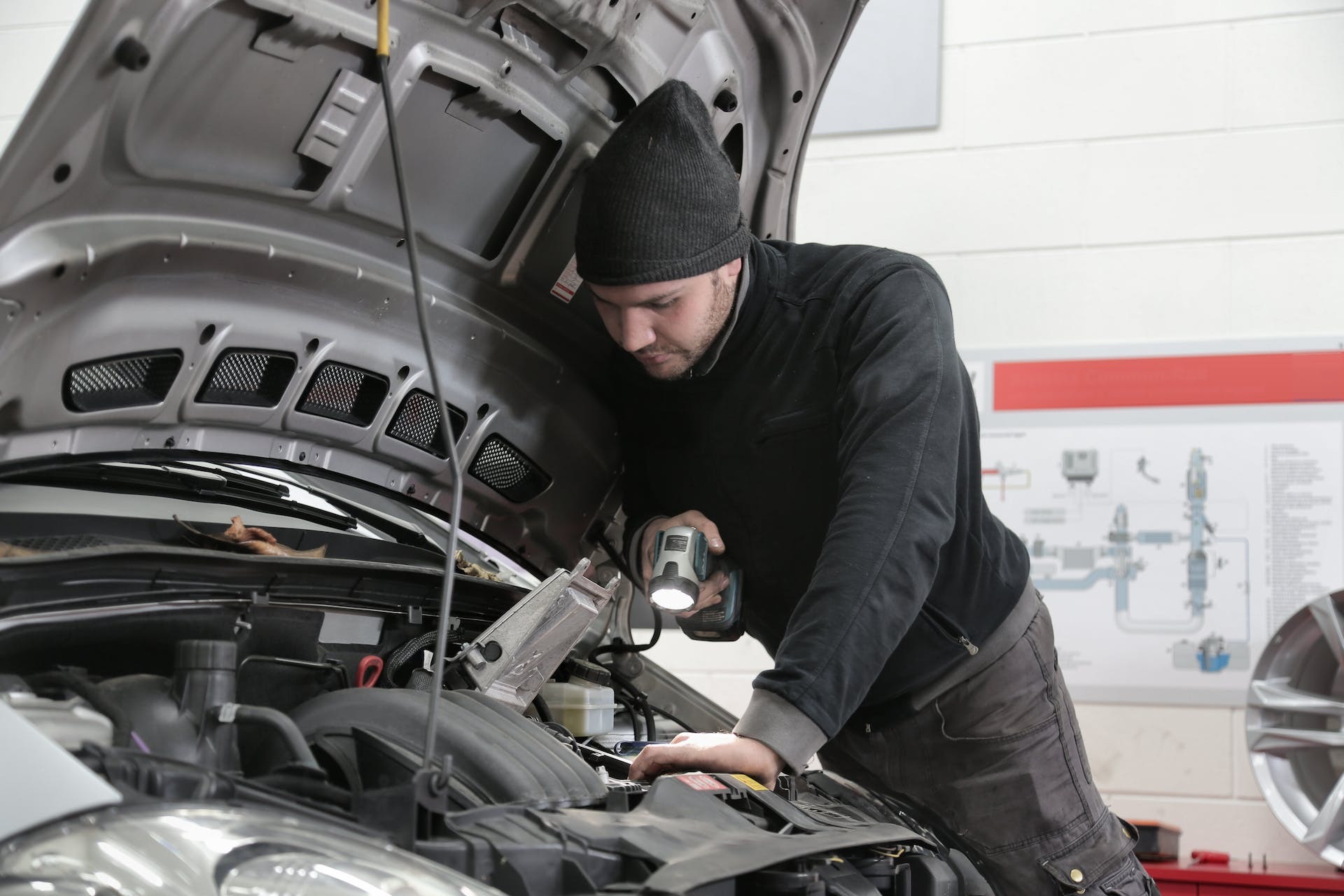
The vehicle manual is a good source for the fuel filter location. It shows parts and their positions in simple diagrams. The manual also gives safety tips before checking the filter. Follow the steps in the manual for your car model. This helps avoid damage and keeps you safe. Check the index under “fuel system” or “fuel filter” for quick access.
Credit: www.liftsupportsdepot.com
Step-by-step Inspection Process
Checking the fuel filter is important to keep your vehicle running well. A clean fuel filter helps the engine get the right amount of fuel. This step-by-step process shows how to inspect your fuel filter safely and easily. Follow each step carefully for the best results.
Relieving Fuel System Pressure
Start by turning off the engine. Open the hood and find the fuel pump fuse. Remove the fuse to stop fuel flow. Next, start the engine and let it run until it stops. This removes pressure from the fuel system. Use gloves and eye protection for safety.
Removing The Fuel Filter
Locate the fuel filter under the vehicle or near the engine. Use a wrench to loosen the clamps or bolts. Carefully disconnect the fuel lines from the filter. Be ready for some fuel to spill. Remove the filter and place it on a clean surface.
Checking For Debris And Damage
Look closely at the fuel filter for dirt or rust. Check the filter screen for blockages. Notice any cracks or leaks in the housing. If the filter looks dirty or damaged, replace it. A clean filter improves fuel flow and engine performance.
When To Replace The Fuel Filter
Knowing when to replace the fuel filter is key to keeping your vehicle running smoothly. A clogged or dirty filter can reduce engine performance and cause fuel system issues. Regular checks help avoid costly repairs and keep fuel flowing freely.
Manufacturer Recommendations
Vehicle makers give clear advice on fuel filter replacement. Check your owner’s manual for specific intervals. Most suggest changing the filter every 20,000 to 40,000 miles. Following these guidelines prevents early wear and keeps your engine healthy.
Signs Of Wear And Tear
Watch for warning signs that indicate a fuel filter needs replacement. Poor engine performance, like sputtering or stalling, can signal a blocked filter. Difficulty starting your car or a drop in fuel efficiency also points to filter problems. Unusual engine noises might mean the filter is dirty or clogged.
Tips For Maintaining Fuel Filter Health
Keeping your fuel filter in good shape helps your engine run smoothly. A clean fuel filter stops dirt and debris from reaching the engine. This protects engine parts and keeps your car efficient.
Simple habits can extend the life of your fuel filter. These tips are easy to follow and save you time and money on repairs.
Regular Maintenance Schedule
Check your fuel filter regularly as your vehicle manual suggests. Many cars need a filter change every 20,000 to 40,000 miles. Mark your calendar to avoid forgetting this task. Regular checks prevent clogging and engine problems. A clean filter lets fuel flow easily and improves engine power.
Using Quality Fuel
Choose good-quality fuel for your vehicle. Cheap fuel often contains dirt and water that harm the filter. High-quality fuel keeps the filter cleaner longer. It also helps your engine burn fuel better. Always fill up at trusted gas stations to reduce the risk of contamination.
Credit: www.jiffylube.com
Frequently Asked Questions
How Often Should I Check The Fuel Filter?
Check your fuel filter every 20,000 to 30,000 miles. Regular checks ensure optimal engine performance and prevent clogging. Refer to your vehicle’s manual for specific intervals. Frequent inspections help avoid costly repairs and maintain fuel efficiency.
What Are Signs Of A Clogged Fuel Filter?
Signs include engine sputtering, reduced power, and stalling. Your car may hesitate during acceleration or have trouble starting. These symptoms indicate restricted fuel flow, signaling the need to inspect or replace the fuel filter promptly.
Can I Check The Fuel Filter Myself?
Yes, checking the fuel filter is a simple DIY task for most vehicles. Locate the filter, inspect for dirt or damage, and replace if necessary. Always follow safety precautions and consult your vehicle’s manual before starting.
What Tools Do I Need To Check The Fuel Filter?
You typically need a wrench, screwdrivers, and safety gloves. Some vehicles may require special tools specified in the manual. Having a container to catch fuel spills is also important for safety and cleanliness.
Conclusion
Checking the fuel filter keeps your engine running smooth. Clean filters stop dirt from reaching the engine. Regular checks help avoid costly repairs later. Use simple tools and follow safety steps carefully. Take time to inspect and replace the filter as needed.
Clear fuel means better car performance and longer engine life. A small effort saves big problems down the road. Keep your vehicle healthy by watching the fuel filter often. Simple care makes a big difference.


