
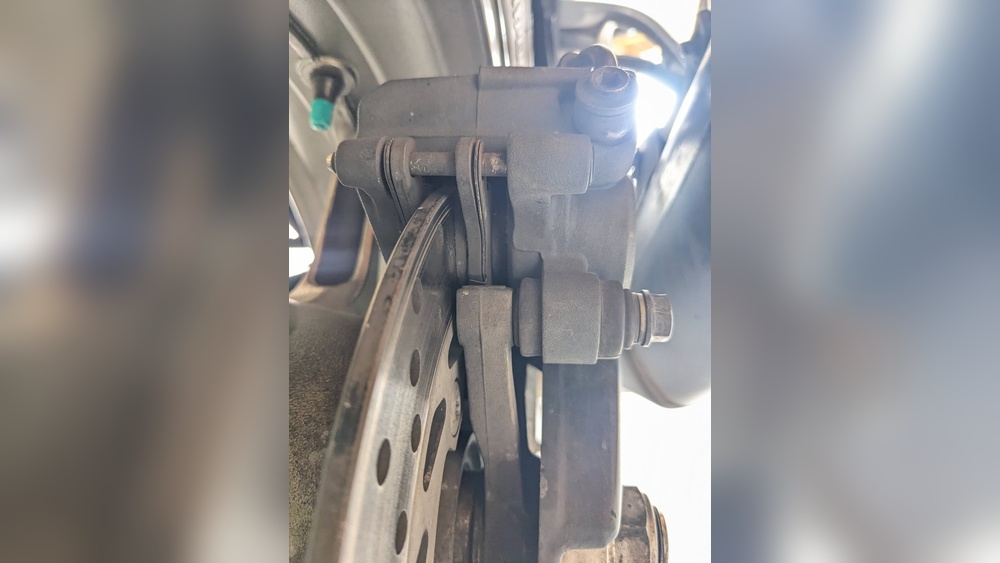
When it comes to your vehicle’s braking system, every millimeter counts. You might wonder, how close should brake pads be to the rotor to keep your car safe and responsive?
If the pads are too far, your brakes won’t grip well. Too close, and you risk damage or constant rubbing. Finding the perfect gap isn’t just about mechanics—it’s about your safety and peace of mind every time you hit the road.
Keep reading to discover the ideal distance and how it affects your braking performance.

Credit: www.reddit.com
Brake Pad And Rotor Basics
Understanding the basics of brake pads and rotors helps you keep your brakes in good shape. These parts work together to stop your vehicle safely and smoothly. Knowing their roles makes it easier to spot issues and maintain your car.
Brake pads and rotors must work closely but not touch when you are not braking. This balance is key to good brake performance and long-lasting parts.
Role Of Brake Pads
Brake pads press against the rotors to slow down your car. They create friction, which turns motion into heat. This friction stops the wheels from spinning.
Brake pads wear down over time because of this friction. You need to check them regularly to avoid damage to other brake parts.
Function Of Rotors
Rotors are metal discs attached to the wheels. They spin with the wheels as you drive. When brake pads press on them, rotors help slow the vehicle.
Rotors must stay smooth and even. Warped or damaged rotors can cause shaking or poor braking. Proper clearance between pads and rotors is important for safety.

Credit: www.reddit.com
Optimal Brake Pad Clearance
Brake pads and rotors work closely to stop your vehicle safely. The space between them affects braking power and pad life. Too much gap means weak braking. Too little can cause rubbing and wear. Finding the right clearance keeps brakes working well and lasting longer.
Optimal brake pad clearance helps your brakes respond quickly and smoothly. It also prevents noise and vibration. Understanding the right distance helps you keep your brakes in top shape.
Recommended Distance Range
The ideal gap between brake pads and rotors is usually 0.1 to 0.3 millimeters. This small space allows pads to touch the rotor only when braking. It avoids constant contact that causes heat and wear. Many manufacturers set clearance within this range for best results.
Some brake systems may have slightly different specs. Always check your vehicle’s manual for exact numbers. Proper clearance helps maintain brake efficiency and safety.
Factors Influencing Clearance
Several factors change the brake pad clearance. Rotor thickness affects the gap. As rotors wear down, the space can increase. Brake pad material also plays a role. Softer pads may need different clearances than hard pads.
Temperature changes cause metal to expand or shrink. This can slightly alter clearance during driving. Proper brake system design accounts for these changes. Regular inspection ensures the clearance stays within the safe range.
Signs Of Incorrect Pad Distance
Signs of incorrect pad distance are important to notice early. Brake pads too close or too far from the rotor cause problems. These problems affect safety and vehicle performance. Understanding these signs helps keep brakes working well.
Noise And Squealing
When brake pads are too close to the rotor, they often create noise. A high-pitched squeal or grinding sound may happen. This noise means the pads are rubbing against the rotor without pressing hard. It can wear down the pads faster and damage the rotor.
Reduced Braking Efficiency
Brake pads too far from the rotor reduce brake power. The pedal may feel soft or need more pressure. Stopping distance can increase, which is dangerous. Proper pad distance ensures brakes respond quickly and safely.
Adjusting Brake Pad Position
Adjusting the brake pad position is key to good braking. Proper distance between the brake pads and rotor improves safety and performance. Pads too close may rub and wear fast. Pads too far reduce braking power.
This section guides you through adjusting brake pad positions. Follow clear steps and use basic tools. Keep the brake pads close, but not touching the rotor.
Tools Needed
- Jack and jack stands
- Socket wrench set
- Flathead screwdriver
- Brake caliper tool or C-clamp
- Torque wrench
- Safety gloves and glasses
Step-by-step Adjustment Guide
- Lift the vehicle using a jack and secure it with stands.
- Remove the wheel to access the brake assembly.
- Locate the brake caliper and remove mounting bolts.
- Carefully slide the caliper off the rotor.
- Check the brake pads for wear and position.
- Use the brake caliper tool or C-clamp to push the pistons back.
- Adjust the brake pads so they sit close but do not touch the rotor.
- Reinstall the caliper and tighten bolts to factory torque.
- Put the wheel back and lower the vehicle.
- Test brakes slowly to ensure proper function and no rubbing.
Safety Risks Of Improper Clearance
Proper clearance between brake pads and rotors is crucial for safe driving. Too much or too little space causes serious safety problems. This section explains key risks of wrong brake pad distance.
Brake Fade And Overheating
Brake fade happens when brakes get too hot. Pads too close to the rotor cause constant friction. This friction heats up the brakes quickly. Hot brakes lose stopping power. This makes it harder to slow down or stop. Overheating can damage brake parts. It can also lead to brake failure on long drives or steep hills.
Premature Wear And Damage
Incorrect clearance wears out brake pads faster. Pads rubbing against rotors all the time wear thin. Thin pads lose grip and need quick replacement. Rotors can get scored or warped from constant contact. Warped rotors cause vibrations and poor braking. Repairing or replacing these parts costs extra money. Proper clearance helps brakes last longer and work better.
Maintenance Tips For Brake Pads And Rotors
Proper maintenance of brake pads and rotors keeps your vehicle safe. It also helps avoid costly repairs. Knowing how close brake pads should be to the rotor is key. Regular care prevents uneven wear and noise. It ensures smooth braking every time you drive.
Simple checks and timely part replacements extend the life of your brakes. Here are practical tips to keep your brake system in top shape.
Regular Inspections
Check your brake pads and rotors every 10,000 miles or during oil changes. Look for signs of wear, cracks, or deep grooves on the rotors. Measure the pad thickness; thin pads need attention. Listen for squealing sounds, which signal worn pads. Inspect for dust or debris that might reduce brake efficiency. Keeping parts clean prevents damage and maintains performance.
When To Replace Parts
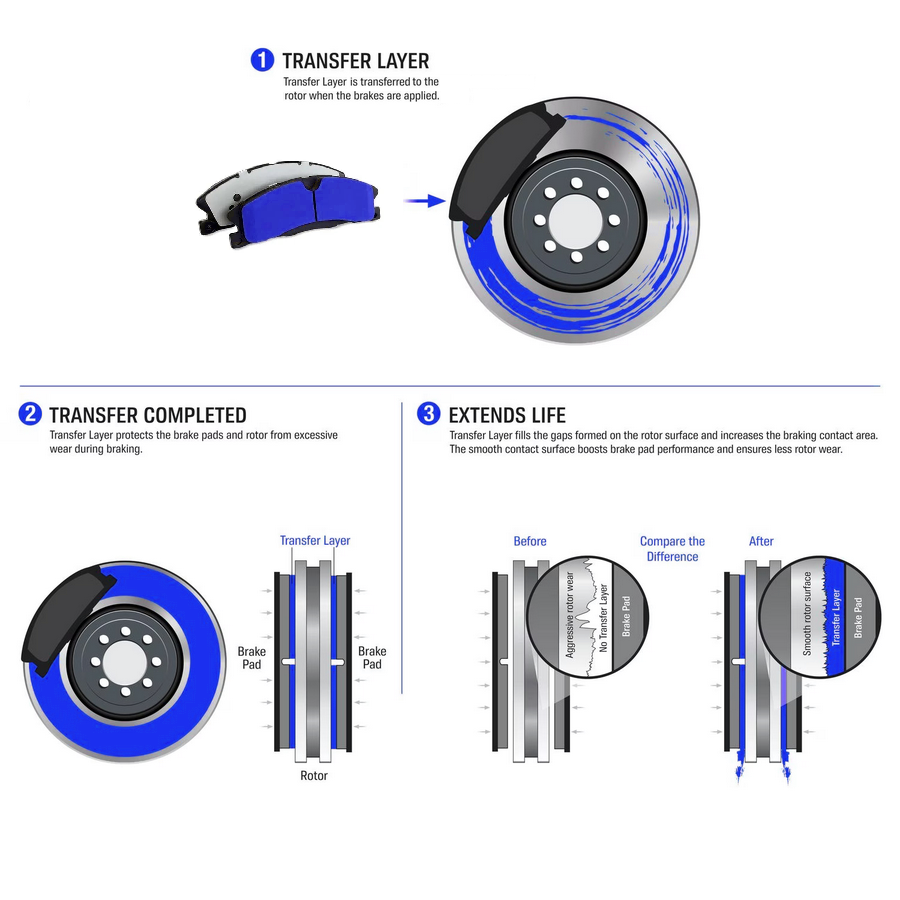
Replace brake pads if they are less than 3 millimeters thick. Change rotors if they have deep grooves or are warped. Warped rotors cause vibrations when braking. Also, replace rotors after two pad replacements for best results. Follow your car manufacturer’s guidelines for exact intervals. Timely replacement keeps brakes responsive and safe.
Credit: www.brakes-shop.com
Frequently Asked Questions
How Close Should Brake Pads Be To The Rotor?
Brake pads should be 0. 1 to 0. 3 millimeters from the rotor. This gap prevents constant contact and ensures quick braking response.
What Happens If Brake Pads Are Too Close To Rotor?
If brake pads are too close, they may rub against the rotor. This causes noise, excessive wear, and reduced fuel efficiency.
Can Brake Pads Touch The Rotor When Parked?
Brake pads should never touch the rotor when parked. Proper clearance prevents unnecessary wear and keeps the braking system ready.
How To Check Brake Pad Distance From Rotor?
Use a feeler gauge or visual inspection to check brake pad gap. Consult your vehicle manual for the exact clearance specifications.
Conclusion
Brake pads must sit close enough to the rotor for safe stopping. Too much space can cause poor braking and longer stops. Too little space may cause rubbing and wear. Check the gap regularly to keep your brakes working well.
Proper brake pad distance helps your car stop smoothly and safely. Regular maintenance saves time and money on repairs. Keep your brakes in good shape for peace of mind on the road. Simple checks make a big difference.


