Are you hearing strange noises when you brake or feeling your car pull to one side? It might be time to replace your rotors and brakes.
But how much should you expect to pay? Knowing the cost upfront can save you from surprises and help you make smart decisions for your car and budget. You’ll discover the real price range for getting your rotors and brakes replaced—and what factors can affect the final bill.
Keep reading to protect your safety and your wallet.
Credit: blog.napacanada.com
Brake Replacement Basics
Brake replacement is an important part of car maintenance. It keeps your vehicle safe and stops it well. Knowing the basics helps you understand when and why to replace brake parts. This guide covers key points about rotors and brakes.
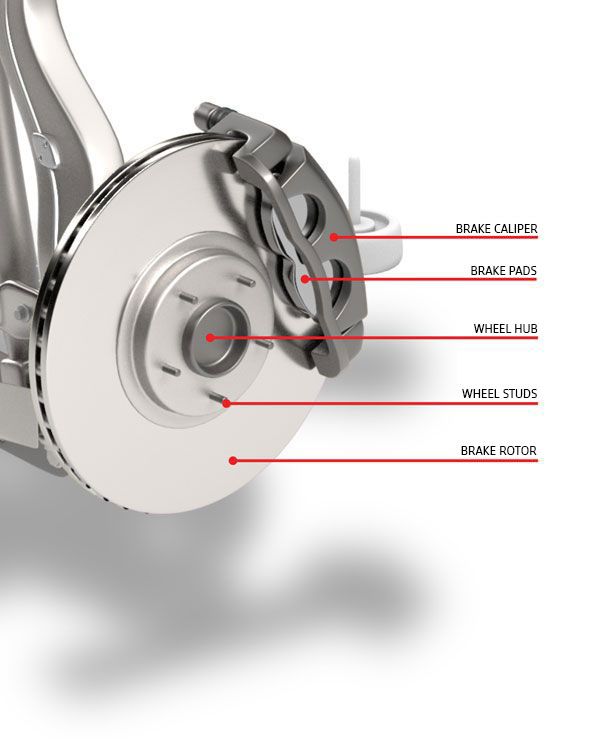
Rotors and brake pads work together to slow your car. Over time, they wear down and need replacing. Understanding the signs and types of brake systems helps you make the right choice for repairs.
When To Replace Rotors And Brakes
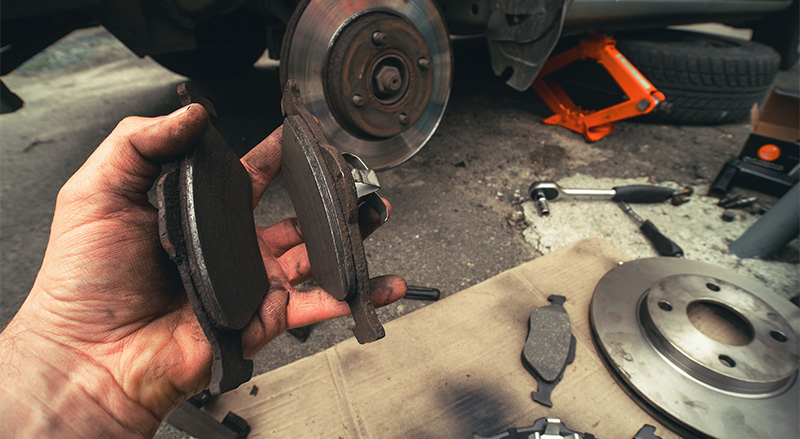
Rotors and brakes need replacement after wear or damage. Brake pads usually last 30,000 to 70,000 miles. Rotors last longer but can wear unevenly or warp. Replace brakes if you hear squealing or feel vibration.
Signs Of Worn Brakes
Squeaking or grinding noises mean brake pads are thin. A soft brake pedal can show fluid leaks or worn parts. Pulling to one side when braking suggests uneven brake wear. Warning lights on the dashboard also indicate brake issues.
Types Of Brake Systems
Most cars use disc brakes on front wheels. Some have drum brakes on rear wheels. Disc brakes use pads to squeeze rotors. Drum brakes press shoes inside a drum. Each system needs different parts and care.
Rotor Replacement Costs
Replacing rotors is an important part of brake maintenance. Rotors work with brake pads to stop your vehicle safely. Knowing the cost helps you plan your budget. Rotor prices vary based on many things. Understanding these factors will guide your decision.
Factors Affecting Rotor Prices
Rotor prices depend on material quality. High-quality metals cost more but last longer. Vehicle type also changes the price. Luxury cars usually need expensive rotors. Labor costs add to the total price. Some rotors need special tools to install. Rotor size and design affect the price too. Ventilated rotors cost more than solid ones.
Average Cost By Vehicle Type
Small cars have cheaper rotors. Prices range from $30 to $75 per rotor. SUVs and trucks use bigger rotors. These cost around $70 to $150 each. Luxury and sports cars often need premium rotors. Their cost can exceed $200 per rotor. Prices vary by brand and model. Labor charges also differ by vehicle type.
Cost Differences: Oem Vs Aftermarket
OEM rotors come from the car maker. They fit perfectly and meet all standards. OEM rotors cost more, usually 20% to 50% higher. Aftermarket rotors are made by other companies. They are less expensive but may vary in quality. Some aftermarket brands match OEM standards. Others may wear out faster. Choose based on your budget and needs.
Brake Pad Replacement Costs
Brake pad replacement costs vary widely based on several key factors. Understanding these factors helps you prepare for the expense. Brake pads wear out over time and need timely replacement to ensure safety. Costs depend on the materials used, labor charges, and the brand of the brake pads. Each of these influences the final price you pay.
Materials And Their Price Impact
Brake pads come in different materials. Organic pads are the cheapest but wear out faster. Semi-metallic pads offer better performance and cost a bit more. Ceramic pads are the most expensive and last the longest. The material choice affects both price and how well your brakes work.
Labor Costs For Brake Pads
Labor costs depend on the mechanic’s hourly rate. Typically, replacing brake pads takes one to two hours. Labor rates vary by location and shop type. Dealers often charge more than independent garages. Always ask for a clear labor cost estimate before service.
Cost Variations By Brand
Brake pad prices differ by brand reputation and quality. Well-known brands usually charge more for reliability. Lesser-known brands offer cheaper options but may wear faster. Some brands provide warranties, adding value to the cost. Choose a brand that fits your budget and safety needs.
Labor And Service Charges
Labor and service charges make up a large part of the total cost for rotor and brake replacement. These charges cover the work done by mechanics to remove old parts and install new ones. Understanding these fees helps you prepare for the total expense.
Typical Labor Rates
Labor rates vary by location and shop. On average, mechanics charge between $70 and $120 per hour. Brake jobs usually take 1 to 2 hours. Some shops offer flat-rate pricing instead of hourly fees. Urban areas often have higher labor rates than rural ones.
Additional Fees To Expect
Besides labor, expect small extra fees. Shops may charge for shop supplies or disposal of old parts. Taxes and environmental fees can also add to the total cost. Always ask for a detailed estimate before work starts. This avoids surprises on your bill.
Diy Vs Professional Replacement
Replacing rotors and brakes yourself saves labor costs. Parts still cost the same, but no mechanic fees apply. However, DIY work requires tools and some experience. Mistakes can lead to unsafe brakes or more damage. Professionals offer skill and warranty, which adds value. Choose based on your comfort and budget.
Ways To Save On Brake Repairs
Brake repairs can be expensive. Saving money helps keep your car safe without breaking the bank. Small choices make a big difference. Learn how to save on rotors and brake replacement with smart tips.
Choosing The Right Parts
Choose parts that match your car’s needs. OEM parts often cost more but last longer. Aftermarket parts can be cheaper and still work well. Check reviews and ask a mechanic for advice. Avoid the cheapest parts; they may wear out fast. Quality parts help you save in the long run.
Promotions And Discounts
Many shops offer discounts on brake service. Look for seasonal sales or special deals. Some places give discounts to students or seniors. Use coupons from websites or local ads. Always ask the shop if they have current offers. Saving a little on each visit adds up.
Maintenance Tips To Extend Brake Life
Regularly check your brakes for wear and tear. Avoid hard stops and sudden braking. Drive smoothly to reduce brake damage. Keep your tires properly inflated for better braking. Get your brakes inspected during oil changes. Good care delays the need for repairs.
Credit: www.firestonecompleteautocare.com
Brake Replacement Timeline
Knowing the brake replacement timeline helps plan your repairs better. Brake rotors and pads wear out over time. Delaying replacement can cause damage and risk safety. Understanding how long the process takes and how to schedule repairs is key to smooth maintenance.
How Long The Process Takes
Replacing rotors and brakes usually takes about one to two hours. The exact time depends on your car model and condition. Simple jobs finish closer to one hour. Complex repairs or extra issues take longer. Mechanics also check other parts during the process.
Scheduling Repairs Efficiently
Book your brake service ahead to avoid delays. Weekdays tend to be less busy than weekends. Early morning appointments often get faster service. Call your repair shop to confirm availability. Planning repairs early keeps your car safe and ready to drive.
Common Brake Replacement Myths
Many people have wrong ideas about brake replacement costs. These myths can cause confusion and delay necessary repairs. Knowing the facts helps you save money and stay safe on the road.
Debunking Cost Misconceptions
Brake replacement does not always cost a fortune. Prices vary based on car model and repair shop. Cheap brakes may not always be low quality. Expensive parts are not always better. It is important to ask for a clear price estimate. Some shops include extra fees in the total cost. These can surprise you if you are not prepared.
Brake Maintenance Facts
Regular brake checks prevent major repairs. Brake pads wear out faster than rotors. Replacing pads early saves rotor costs. Rotors last longer but need replacement too. Clean brake parts improve performance and safety. Avoid heavy braking to extend brake life. Timely maintenance keeps repair costs down. Brake fluid should be changed as recommended by the car maker.
Credit: www.aaa.com
Frequently Asked Questions
How Much Does It Cost To Replace Brake Rotors?
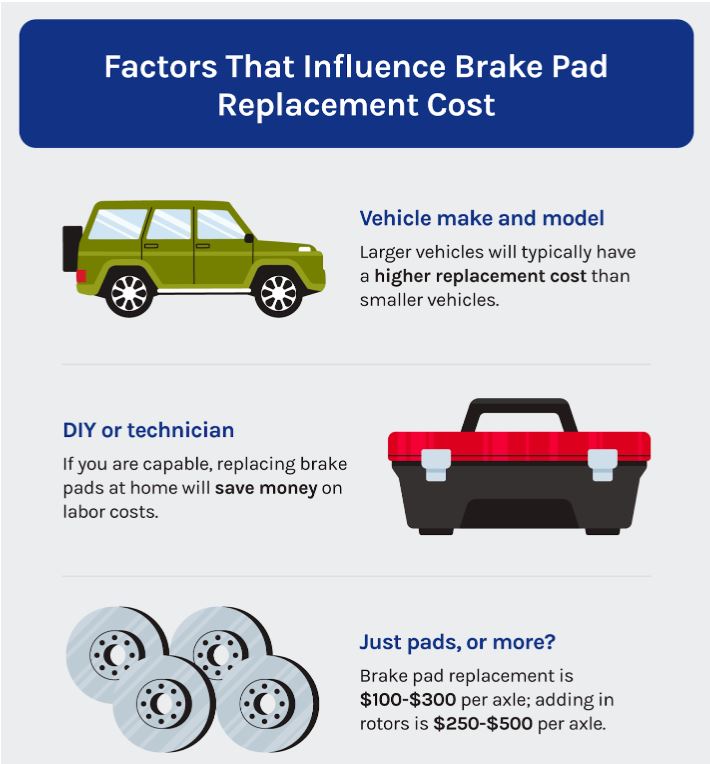
Replacing brake rotors typically costs between $200 and $400 per axle. This includes parts and labor. Prices vary by vehicle type and rotor quality. High-performance rotors may cost more. Always get a detailed estimate from your mechanic.
Are Brake Pad Replacements Included With Rotor Replacement?
Brake pad replacement is often recommended with rotor replacement. Pads usually cost between $100 and $200 per axle. Including pads ensures optimal braking performance and safety. Some shops offer package deals for both services, saving you money.
How Long Does Rotor And Brake Replacement Take?
Rotor and brake replacement usually takes 1 to 2 hours. Time depends on vehicle model and shop workload. Scheduling an appointment helps reduce wait times. Quick service ensures your car is safe to drive sooner.
Can I Replace Rotors And Brakes Myself?
Replacing rotors and brakes yourself is possible with tools and knowledge. However, it requires mechanical skill and safety precautions. Improper installation risks brake failure. Consider professional service for safety and warranty.
Conclusion
Replacing rotors and brakes costs vary by car and location. Quality parts and skilled labor affect the price. Regular brake checks help avoid costly repairs later. Choose trusted mechanics for safety and good service. Remember, brakes keep you safe on the road.
Spending wisely now saves money and stress later. Stay alert to brake signs and act quickly. Safe driving depends on well-maintained brakes and rotors.