

Choosing the right car seat cover can change the way you feel every time you get behind the wheel. You want something that looks great, feels comfortable, and stands up to everyday wear.
But when it comes to Neoprene car seat covers versus leather, which one is really better for you? By the end of this article, you’ll know exactly what each material offers, so you can make a smart choice that fits your lifestyle and keeps your car looking its best.
Ready to discover which seat cover suits you? Let’s dive in.

Credit: delicate-leather.com
Material Properties
Material properties play a key role in choosing car seat covers. They affect comfort, durability, and look. Neoprene and leather have very different features. Understanding their materials helps you pick the right cover for your car.
Neoprene Composition
Neoprene is a synthetic rubber. It feels soft and flexible. It resists water, oil, and dirt well. This makes cleaning easy. Neoprene also absorbs shock and cushions the seat. It does not crack or peel over time. Its stretchiness helps it fit seats snugly. Neoprene works well in hot and cold weather. It keeps its shape even with heavy use.
Leather Types
Leather comes from animal hides. There are three main types: full-grain, top-grain, and bonded leather. Full-grain is the strongest and most natural. It ages beautifully and lasts long. Top-grain is sanded for smoothness but is less durable. Bonded leather is made from leather scraps glued together. It is cheaper but wears out faster. Leather feels cool and soft to the touch. It also breathes, which helps reduce sweating. Leather needs regular care to avoid cracks and stains.
Comfort And Feel
Comfort and feel play a big role in choosing car seat covers. The right cover makes every drive better. Neoprene and leather offer very different experiences. Each has its own way of fitting your car and your style. Understanding these differences helps you pick the best one for your needs.
Temperature Control
Neoprene controls temperature well. It keeps seats cool in summer and warm in winter. The material is thick and acts as a barrier. It blocks heat and cold from reaching your skin. Leather can feel hot under the sun. It can also become cold in winter. Leather needs time to warm up after a cold start. Neoprene is better for steady comfort all year.
Softness And Texture
Neoprene has a soft, smooth texture. It feels cushioned and gentle on the skin. The material is flexible and hugs your body shape. Leather is smooth but firmer. It offers a classic, sleek look. Leather can feel slippery when wet. Neoprene provides more grip, keeping you in place. Both have unique textures but differ in softness and feel.
Durability And Maintenance
Durability and maintenance are key factors when choosing between neoprene and leather car seat covers. Both materials offer unique benefits for lasting use and easy care. Understanding how each holds up over time helps in making a smart choice for your car’s interior.
Wear Resistance
Neoprene is tough and resists tears and scratches well. It handles water and spills without damage. Leather is strong but can scratch or crack if not cared for. It may fade over time with sun exposure. Neoprene suits active lifestyles and rough use. Leather offers a classic look but needs gentle handling to stay nice.
Cleaning Tips
Neoprene covers clean easily with mild soap and water. Wipe spills quickly to avoid stains. Avoid harsh chemicals that can damage the material. Leather requires special cleaners to keep its shine. Use a soft cloth and leather conditioner regularly. Do not soak leather, as water can cause damage. Both types benefit from regular cleaning to stay fresh and last longer.
Water And Stain Resistance
Water and stain resistance is a key factor in choosing car seat covers. It affects durability and ease of cleaning. Both neoprene and leather have qualities that protect your seats from spills and dirt.
Neoprene Water And Stain Resistance
Neoprene is a synthetic rubber material. It repels water very well. Spills sit on the surface without soaking in. Stains are easier to wipe away quickly. Its closed-cell structure blocks liquids effectively. This makes neoprene ideal for families and outdoor activities.
Leather Water And Stain Resistance
Leather is natural and stylish but less water-resistant. It can absorb liquids if not treated. Water spots may appear on untreated leather. Stains require immediate cleaning to avoid damage. Special coatings improve leather’s resistance but need regular upkeep.
Aesthetic Appeal
The aesthetic appeal of car seat covers plays a big role in choosing the right material. Neoprene and leather offer distinct looks. Each creates a different vibe inside the car. This affects how comfortable and stylish the car feels. Understanding their design options and color variety helps make a better choice.
Design Options
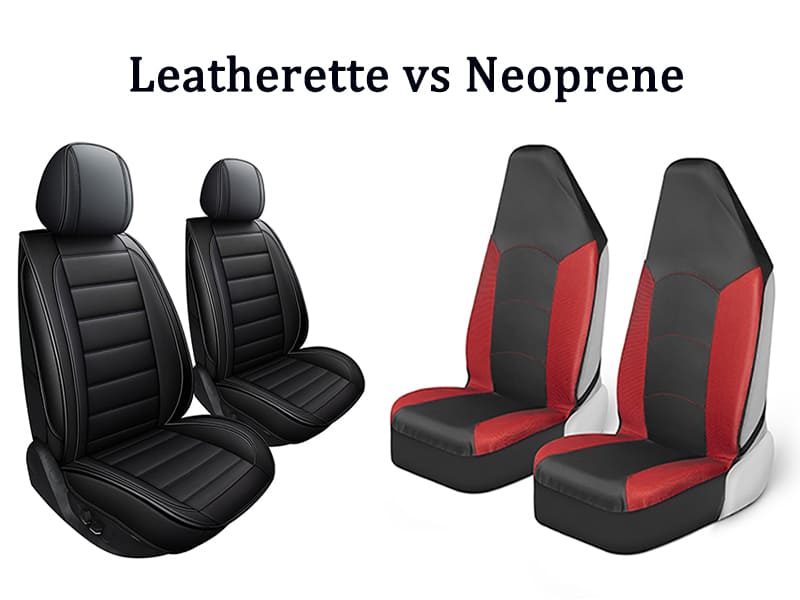
Neoprene seat covers have a sporty, modern look. They often feature bold patterns and textures. The material is flexible, allowing unique shapes and fits. Neoprene can also have stitched accents for added style.
Leather seat covers present a classic, elegant appearance. They usually have smooth surfaces and clean lines. Leather can be perforated or quilted for luxury. The natural grain adds a premium feel to car interiors.
Color Variety
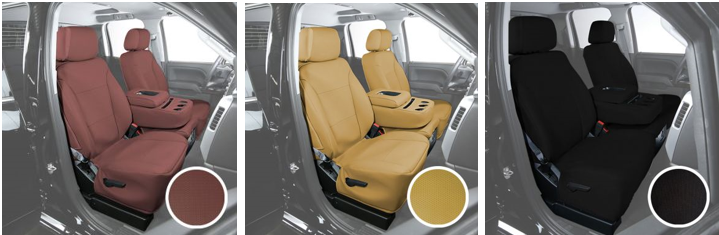
Neoprene covers come in many bright and bold colors. Options range from reds and blues to neon shades. This variety suits those who want a fun, personalized interior.
Leather seat covers mainly come in neutral tones like black, brown, and tan. These colors offer a timeless, sophisticated look. Leather also ages well, developing a unique patina over time.
Credit: neoprene-bag.com
Cost Comparison
Cost plays a big role in choosing car seat covers. Neoprene and leather covers differ in price. Understanding these differences helps you decide smartly. This section breaks down the cost aspects of both types.
Initial Purchase Price
Neoprene seat covers are usually less expensive upfront. They offer good protection without a high cost. Leather covers are often pricier due to material quality and craftsmanship. Expect to pay more for genuine leather options.
Installation Costs
Neoprene covers are easier to install. Many come with simple straps or zippers. This keeps extra costs low or zero. Leather covers may need professional installation. Custom fitting raises the total cost.
Maintenance And Longevity Expenses
Leather requires special cleaners and conditioners to keep it soft. These products add to maintenance costs. Neoprene is easier to clean with basic soap and water. It resists stains and lasts long, reducing extra spending.
Resale Value Impact
Leather seat covers can increase a car’s resale value. They give a premium look and feel. Neoprene covers do not add much to resale price. They focus more on protection than style.
Installation Process
The installation process is a key factor when choosing between neoprene and leather car seat covers. Both types protect your seats but differ in how you put them on. Understanding the steps helps you decide which suits your needs better.
Installing Neoprene Car Seat Covers
Neoprene covers are flexible and stretchy. This makes them easy to fit over most car seats. You start by slipping the cover over the top of the seat. Then pull it down to cover the sides and bottom. Straps or hooks usually secure the cover underneath the seat. This keeps it from moving around. The whole process takes about 10 to 20 minutes.
Installing Leather Car Seat Covers
Leather covers require more care during installation. They often come in custom sizes for specific car models. You begin by aligning the cover with the seat shape. Next, use zippers, Velcro, or buttons to close the cover tightly. Sometimes you need to remove the headrest first. Leather covers fit snugly but need patience to install. The process can take 20 to 40 minutes.
Environmental Impact
Choosing car seat covers affects the environment. Each material impacts nature differently. It is important to know these effects before buying.
Sustainability Of Neoprene
Neoprene is a synthetic material made from petroleum. It uses non-renewable resources during production. The process releases carbon dioxide, a greenhouse gas. Neoprene is durable and lasts long. This means fewer replacements and less waste. Some neoprene covers can be recycled, but recycling is limited. Overall, neoprene has a moderate environmental impact.
Leather Production Effects
Leather comes from animal hides, mainly cows. Raising animals requires large land and water resources. It produces methane, a strong greenhouse gas. The tanning process uses chemicals that can pollute water. Leather is biodegradable but breaks down slowly. It lasts a long time, reducing the need for new covers. The overall impact of leather is higher than neoprene.
Best Use Scenarios
Choosing between neoprene and leather car seat covers depends on your daily needs. Each material fits different lifestyles and uses. Understanding the best scenarios helps pick the right cover for your car.
Everyday Use
Neoprene covers suit daily driving well. They offer comfort and protect seats from spills and stains. These covers are easy to clean and dry fast. They keep the car interior cool in summer and warm in winter. Neoprene is soft and flexible, making long drives more comfortable.
Leather covers look stylish and feel luxurious. They fit well in formal or professional settings. Leather is durable and ages nicely with proper care. It resists dirt and can be wiped clean quickly. Leather covers add a premium touch to your car.
Outdoor And Sporty Conditions
Neoprene shines in outdoor and sporty environments. It resists water and mud, perfect for active lifestyles. These covers protect your seats from sweat and dirt after sports or hiking. They hold up well in rough weather and heavy use.
Leather covers may not handle wet or dirty conditions as well. Water can stain leather if not treated. They need more care to stay in good shape outdoors. Leather suits cars that stay clean and dry most of the time.
Credit: www.saddleman.com
Frequently Asked Questions
What Are The Main Differences Between Neoprene And Leather Seat Covers?
Neoprene is water-resistant, flexible, and durable, ideal for active lifestyles. Leather offers a premium, luxurious look but requires more maintenance. Neoprene suits casual use, while leather fits formal and elegant car interiors.
Are Neoprene Car Seat Covers Better For Protection?
Yes, neoprene covers provide excellent protection against spills, stains, and UV damage. Their water-resistant nature makes them ideal for families and outdoor enthusiasts. Leather covers protect too but need conditioning to avoid cracking.
How Does The Comfort Of Neoprene Compare To Leather?
Neoprene is soft, cushioned, and breathable, making it comfortable in various climates. Leather feels smooth and cool but can get hot in summer and cold in winter. Comfort preference depends on personal choice and climate.
Which Seat Covers Are Easier To Clean: Neoprene Or Leather?
Neoprene covers are easier to clean with just soap and water. Leather requires specialized cleaners and conditioners to maintain its look. For hassle-free maintenance, neoprene is the better option.
Conclusion
Neoprene and leather seat covers both protect your car seats well. Neoprene is soft, water-resistant, and easy to clean. Leather looks stylish and feels smooth but needs more care. Choosing depends on your style and how you use your car.
Both options can improve comfort and keep seats safe. Think about your needs before deciding. Either way, your car seats will get a fresh, new look. Simple and smart choices make driving more enjoyable.


