

Have you ever wondered what keeps your engine running smoothly and prevents costly damage? The fuel filter with a return plays a crucial role in your vehicle’s performance, but it’s often overlooked.
Understanding how this simple yet powerful part works can save you time, money, and frustration. You’ll discover exactly how a fuel filter with a return functions, why it’s important for your engine, and how it protects your fuel system. Keep reading to unlock the secrets behind this essential component and make smarter choices for your vehicle’s health.
Credit: help.summitracing.com
Fuel Filter Basics
A fuel filter plays a key role in keeping your engine safe and running smoothly. It cleans the fuel before it reaches the engine. Dirt, rust, and other particles can harm engine parts. The fuel filter stops these contaminants from causing damage. Understanding the basics of fuel filters helps in maintaining your vehicle well.
Purpose Of A Fuel Filter
The main purpose of a fuel filter is to trap dirt and debris. It prevents these harmful particles from entering the engine. Clean fuel helps the engine burn fuel efficiently. This leads to better performance and longer engine life. A good fuel filter also protects fuel injectors and pumps from damage.
Types Of Fuel Filters
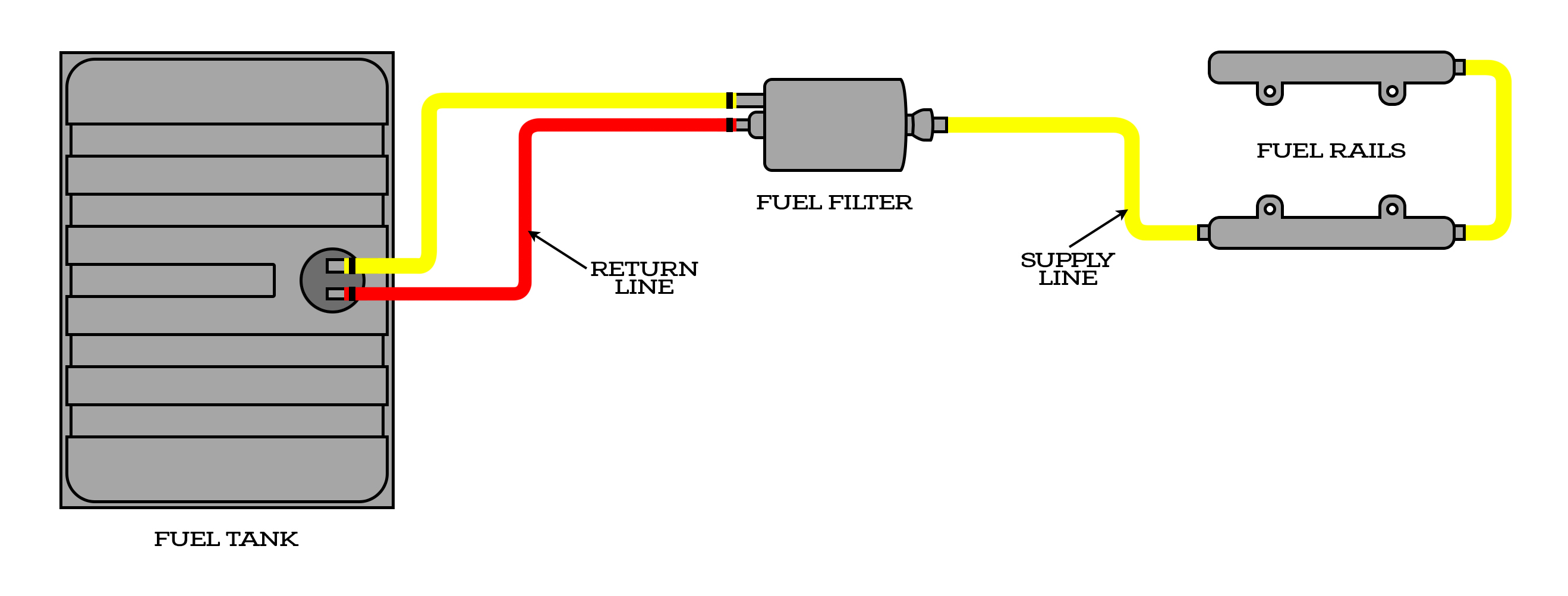
Fuel filters come in different types depending on the vehicle. The two common types are inline and cartridge filters. Inline filters are placed on the fuel line and are easy to replace. Cartridge filters are inside a housing and need special tools for change. Some filters have a return line that sends unused fuel back to the tank. This helps keep pressure steady and fuel clean.

Credit: www.onallcylinders.com
Role Of A Return Line
The return line plays a key role in fuel systems with a fuel filter. It helps manage fuel flow and keeps the engine running smoothly. By sending unused fuel back to the tank, it controls pressure and temperature inside the fuel system. This ensures the engine always gets the right amount of clean fuel.
Function In Fuel Systems
The return line carries extra fuel from the engine back to the tank. This prevents fuel build-up around the filter and pump. It also helps cool the fuel by sending it back to the tank. The cooled fuel lowers the risk of vapor lock, which can stop the engine from running. The return line keeps fuel moving, so the engine receives a steady supply.
Impact On Fuel Pressure
The return line controls pressure inside the fuel system. It allows extra fuel to flow back to the tank, reducing pressure on the fuel pump. This balance prevents damage to the pump and filter. Stable fuel pressure helps the engine run efficiently. Without a return line, pressure might rise too high, causing fuel leaks or poor engine performance.
How Fuel Filters With Return Operate
A fuel filter with a return plays a key role in keeping the engine clean. It removes dirt and debris from the fuel before it reaches the engine. This type of filter also sends unused fuel back to the tank. This process helps maintain steady fuel pressure and prevents waste.
Understanding how this filter works helps in maintaining your vehicle. It ensures the engine runs smoothly and lasts longer. Below are the main parts of its operation.
Fuel Flow Path
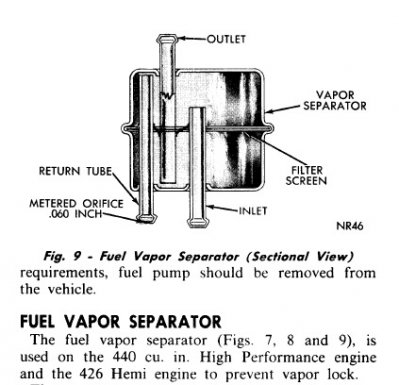
Fuel enters the filter from the fuel pump. Inside, the filter traps dirt and particles. Clean fuel then moves to the engine. This path keeps harmful materials out of the engine parts. It helps improve engine performance and fuel efficiency.
Return Line Mechanism
Not all fuel goes to the engine. Some fuel returns to the tank through the return line. This line controls fuel pressure inside the filter. It sends extra fuel back to the tank to avoid overflow. This process keeps the fuel system balanced and working well.
Credit: www.onallcylinders.com
Benefits Of Using Return-type Filters
Using return-type fuel filters brings several clear benefits to vehicle operation. These filters help keep the fuel system clean while supporting steady engine function. They work by filtering fuel and returning unused fuel back to the tank.
This process keeps fuel fresh and reduces wear on engine parts. The following sections explain key advantages of return-type fuel filters.
Improved Fuel Filtration
Return-type filters trap more dirt and debris than standard filters. This stops harmful particles from reaching the engine. Cleaner fuel means less damage to injectors and other components. The return flow also helps flush out contaminants. This keeps the filter cleaner longer and improves overall fuel quality.
Enhanced Engine Performance
With cleaner fuel, the engine runs more smoothly and efficiently. Return-type filters prevent clogs that can cause rough idling or stalling. They maintain steady fuel pressure for better combustion. This results in better power delivery and improved fuel economy. The engine stays cooler and lasts longer thanks to cleaner fuel flow.
Common Issues And Troubleshooting
Fuel filters with return lines play a key role in keeping engines clean. Over time, these filters can face issues that affect performance. Knowing common problems helps in quick diagnosis and repair. This section explains typical troubles and how to spot them early.
Clogging Symptoms
A clogged fuel filter slows down fuel flow. The engine may sputter or hesitate during acceleration. You might notice a rough idle or difficulty starting. Fuel pressure can drop, causing poor engine power. Check for unusual smells from the fuel tank area. Regular filter checks prevent these problems from worsening.
Return Line Failures
The return line sends unused fuel back to the tank. If it fails, fuel pressure can rise too much. This may cause fuel leaks or engine flooding. You might smell fuel near the engine or under the car. A broken return line can also trigger warning lights. Inspect hoses for cracks or blockages to avoid damage.
Maintenance Tips
Proper maintenance keeps your fuel filter with a return working well. It stops dirt and debris from reaching the engine. This helps the engine run smoothly and last longer. Simple care steps prevent costly repairs later.
Filter Replacement Frequency
Change the fuel filter regularly to keep it effective. Most cars need a new filter every 20,000 to 40,000 miles. Check your vehicle’s manual for exact guidance. A clogged filter reduces fuel flow and hurts engine performance. Replacing it on time avoids problems and keeps fuel clean.
Inspecting The Return Line
Look at the return line for cracks or leaks. This line sends unused fuel back to the tank. Any damage can cause fuel loss or pressure issues. Check connections and clamps to ensure they are tight. Replace any worn or broken parts to keep fuel flowing properly.
Choosing The Right Fuel Filter
Choosing the right fuel filter with a return is important for your vehicle’s health. It keeps the fuel clean and helps the engine run smoothly. Picking the correct filter can save you from costly repairs and improve fuel efficiency. Focus on key factors to find the best fit for your car.
Compatibility Factors
Check your vehicle’s make and model before choosing a fuel filter. Filters come in different sizes and designs. Ensure the filter matches your engine type and fuel system. Some filters work only with specific return systems. Using the wrong filter can cause fuel leaks or poor engine performance.
Quality Considerations
Choose filters made with strong, durable materials. High-quality filters trap more dirt and last longer. Look for filters with good reviews and trusted brands. Avoid cheap filters that may break or clog quickly. A good fuel filter protects your engine and saves money over time.
Frequently Asked Questions
What Is A Fuel Filter With A Return System?
A fuel filter with a return system cleans fuel and sends excess back to the tank. It maintains fuel pressure and prevents clogging, ensuring smooth engine performance.
How Does The Return Line Improve Fuel Filtering?
The return line recycles unused fuel, reducing pressure buildup. It helps filter debris efficiently and prolongs fuel filter life by preventing clogging.
Why Is Fuel Filter Maintenance Important In Return Systems?
Regular maintenance prevents fuel contamination and clogging. It ensures consistent fuel flow, protects the engine, and maintains optimal vehicle performance.
Can A Clogged Fuel Filter Affect Engine Performance?
Yes, a clogged fuel filter restricts fuel flow, causing poor acceleration, rough idling, and potential engine stalling. Timely replacement is crucial.
Conclusion
A fuel filter with a return helps keep fuel clean and engine healthy. It removes dirt before fuel reaches the engine. The return line sends extra fuel back to the tank. This keeps pressure steady and fuel fresh. Clean fuel means better engine performance and longer life.
Regular checks of the filter can prevent problems. Knowing how it works helps you care for your vehicle. Simple yet important. A small part with a big job.


