

If you own a boat, you know how important it is to keep your engine running smoothly. One key part that often gets overlooked is the fuel filter.
But have you ever wondered how a boat water separating fuel filter works and why it’s crucial for your engine’s health? Understanding this simple device can save you from costly repairs and frustrating breakdowns out on the water. You’ll discover exactly how these filters protect your boat and ensure your fuel is clean and ready to power your adventures.
Keep reading to learn how this small but mighty component makes a big difference.
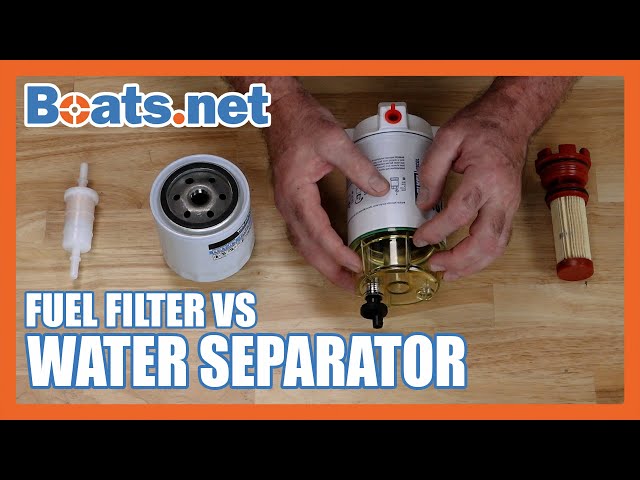
Credit: www.youtube.com
Fuel Contamination Challenges
Boat engines need clean fuel to work well. Water in fuel causes many problems. It can harm engine parts and lower power. Understanding fuel contamination helps keep boats safe and fast.
Water in fuel is a common issue for boat owners. It comes from many sources and can damage engines quickly. Knowing these challenges is key to fixing them.
Sources Of Water In Fuel
Water can enter fuel in several ways. Rainwater can drip into open fuel tanks. Condensation forms inside tanks when temperatures change. Fuel can also get water from poor storage or dirty fuel supplies.
Even small amounts of water can cause big problems. Boats often face more water contamination than cars. This makes filtering water from fuel very important.
Effects On Engine Performance
Water in fuel can make engines run rough or stall. It reduces fuel quality and stops the engine from burning fuel fully. This lowers power and increases fuel use.
Water also causes corrosion in engine parts. Corrosion leads to costly repairs and shorter engine life. Engines may overheat or fail if water stays in the fuel system.
Keeping water out of fuel helps engines run smoothly. It saves money and avoids breakdowns on the water.
Basics Of Fuel Filtration
Fuel filtration is a key process in keeping your boat’s engine running smoothly. It removes dirt, rust, and water from the fuel before it reaches the engine. Clean fuel helps prevent engine damage and improves performance. Understanding the basics of fuel filtration helps you maintain your boat better and avoid costly repairs.
Purpose Of Fuel Filters
Fuel filters protect the engine from harmful particles and water. They trap dirt, dust, and rust found in fuel tanks. Water can cause corrosion and poor engine performance. Filters separate these contaminants to keep fuel clean. This ensures the engine runs efficiently and lasts longer.
Types Of Fuel Filters
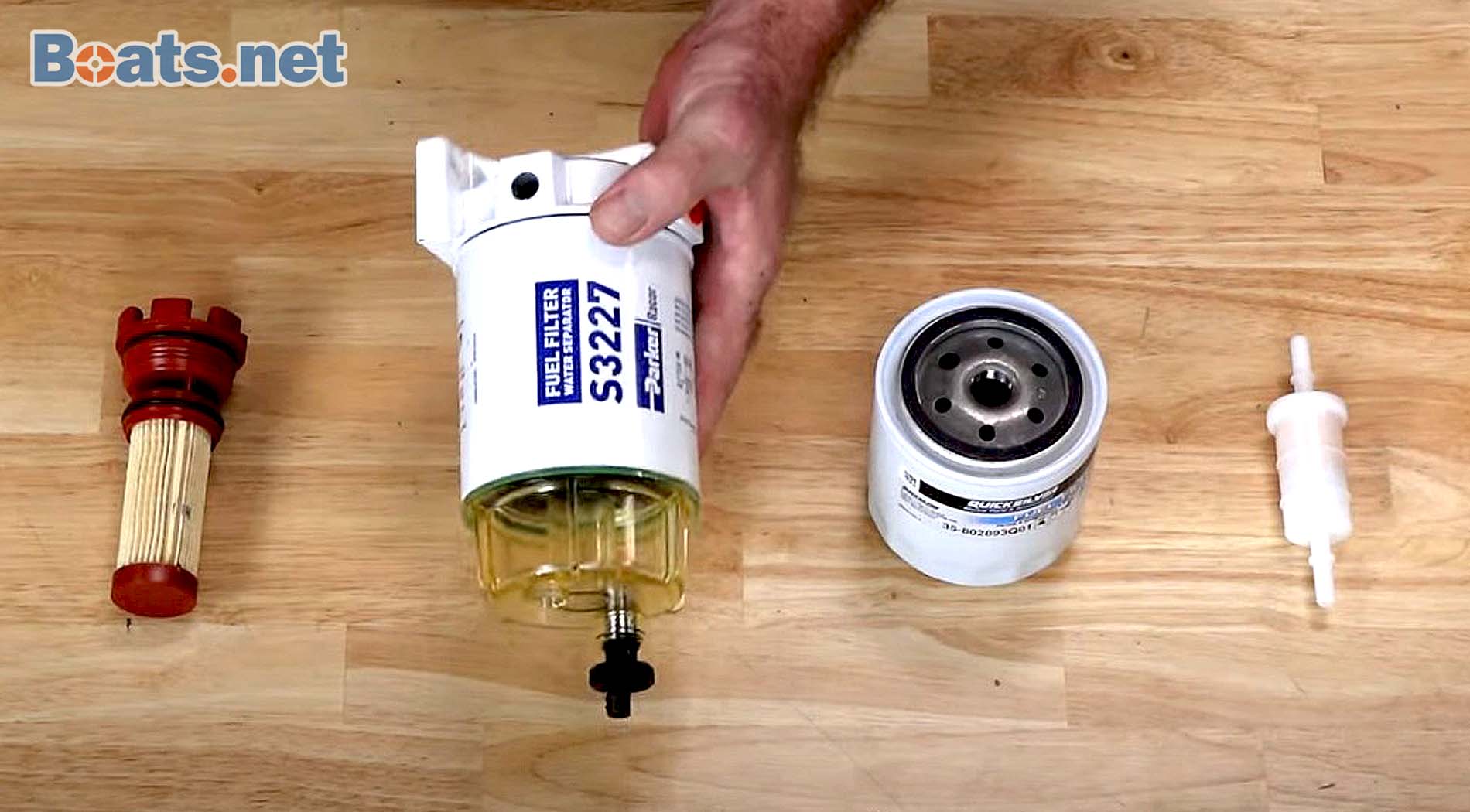
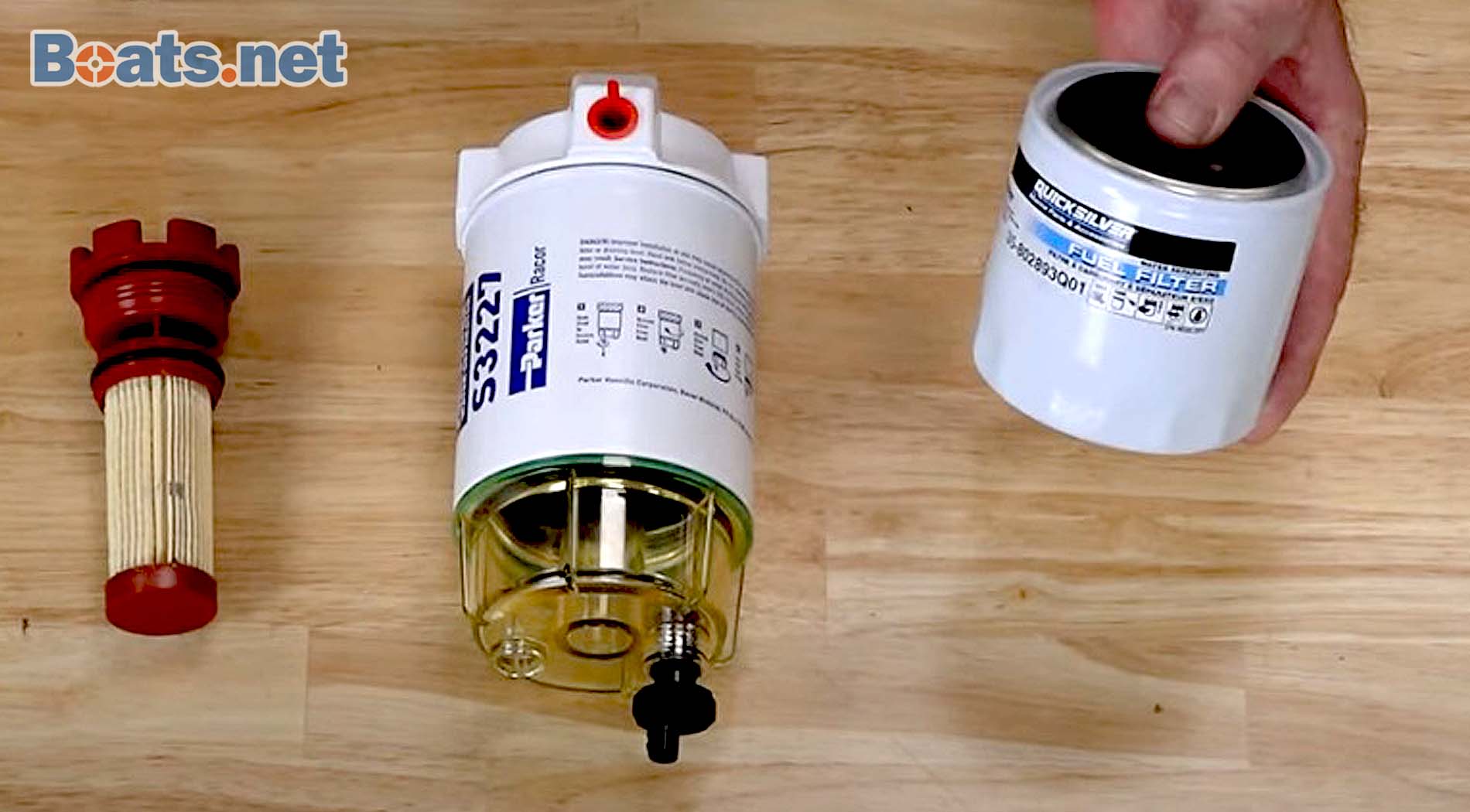
There are several types of fuel filters used in boats. Paper filters catch small particles and are common in many engines. Mesh filters trap larger debris and allow fuel to flow quickly. Water separating filters remove water from fuel before it reaches the engine. Choosing the right filter depends on your boat and engine type.
Role Of Water Separating Fuel Filters
Water separating fuel filters play a crucial role in protecting boat engines. They stop water from mixing with fuel. Water in fuel can cause engine problems and reduce performance. These filters keep the fuel clean and dry. This helps the engine run smoothly and last longer.
How Water Is Removed
Water separates from fuel because it is heavier. The filter slows down the fuel flow. This allows water to drop to the bottom. The filter traps water in a bowl or chamber. Then, the water can be drained out easily. This process stops water from reaching the engine parts.
Materials Used In Separation
The filter uses special materials to catch water. It has a fine mesh or paper element that blocks dirt. A water-attracting layer pulls water away from fuel. Some filters use plastic or metal bowls to hold water. These materials resist corrosion and wear. They make sure the filter works well for a long time.
Components Of A Water Separating Filter
A boat water separating fuel filter has key parts that work together. These parts remove water from the fuel. Clean fuel helps the engine run well and last longer.
Each component plays a special role. Understanding these parts helps you maintain your boat’s fuel system better.
Filter Media
The filter media is the heart of the filter. It traps dirt, rust, and tiny water droplets. The media is made of materials that catch particles but let fuel flow.
It works like a fine net. Fuel passes through, but water and debris stay behind. This keeps the engine safe from damage.
Water Collection Bowl
The water collection bowl sits below the filter media. It collects water separated from the fuel. Water is heavier than fuel, so it drops to the bowl.
The bowl is clear in many filters. This helps you see how much water has collected. You can then remove the water before it causes problems.
Drain Valve
The drain valve is at the bottom of the water collection bowl. It lets you empty the water out easily. Opening the valve removes water without removing the whole filter.
This valve helps keep the filter clean and working well. Regular draining prevents water from reaching the engine.
Working Mechanism Step-by-step
The working mechanism of a boat water separating fuel filter is simple but effective. It helps keep the engine safe by removing water from the fuel. Understanding each step clarifies how this small device protects your boat’s engine from damage.
Fuel Entry And Initial Filtration
Fuel flows into the filter from the fuel tank. It passes through a fine mesh or paper element. This element catches dirt and large particles. It stops them from moving further into the engine. This first step ensures cleaner fuel enters the next phase.
Water Separation Process
Fuel contains water droplets that are heavier than fuel. The filter uses gravity and special materials to separate water. Water droplets fall to the bottom of the filter. The fuel, lighter in weight, moves upward. This process helps remove most of the water from the fuel.
Water Collection And Removal
Water collects at the bottom of the filter bowl. The filter has a clear container for easy water level viewing. A drain valve allows manual water removal. Removing water regularly prevents it from reaching the engine. This step keeps the engine running smoothly and avoids corrosion.
Credit: www.boats.net
Maintenance Tips For Filters
Keeping your boat’s water separating fuel filter in good shape is essential. Proper maintenance ensures clean fuel and smooth engine performance. Regular care helps avoid costly repairs and engine problems. Follow these simple tips to maintain your fuel filter effectively.
Regular Inspection
Check the filter often for dirt, cracks, or leaks. Look for water collected in the filter bowl. Make sure all parts are tight and secure. Spotting issues early prevents bigger problems later.
Draining Water Safely
Empty water from the filter bowl carefully to avoid spills. Use the drain valve or petcock at the bottom. Collect water in a container to dispose of it properly. Do this regularly, especially after long trips or heavy rain.
Replacing Filter Elements
Change the filter element as recommended by the manufacturer. Remove the old filter gently to avoid fuel spills. Install the new element firmly to keep a good seal. Regular replacement keeps the fuel clean and engine running well.
Benefits Of Using Water Separating Filters
Using a water separating fuel filter offers many benefits for boat owners. This filter removes water from the fuel before it reaches the engine. Water in fuel can cause serious damage and reduce engine performance. A clean fuel system keeps the engine running smoothly and reliably.
Improved Engine Longevity
Water in fuel causes rust and corrosion inside the engine. It wears out engine parts faster and leads to breakdowns. Water separating filters stop water from entering the engine. This protection helps the engine last longer and stay in good shape.
Enhanced Fuel Efficiency
Water in fuel reduces how well the engine burns fuel. This leads to poor fuel efficiency and higher fuel use. Removing water allows the engine to run cleaner and use fuel better. The result is less fuel wasted and more distance covered per tank.
Reduced Maintenance Costs
Water in fuel causes clogs and damage to fuel system parts. This results in frequent repairs and costly maintenance. Water separating filters prevent water damage and keep the fuel system clean. This means fewer repairs and lower maintenance bills over time.
Credit: www.boats.net
Common Issues And Troubleshooting
Boat water separating fuel filters help keep engines running smoothly by removing water and dirt from the fuel. Despite their importance, these filters can face common problems that affect performance. Knowing how to spot and fix these issues helps prevent engine trouble and costly repairs.
Clogging Problems
Fuel filters catch dirt and water, which can cause clogging. A clogged filter reduces fuel flow, leading to poor engine performance. Engines may run rough, lose power, or stall. Check the filter regularly and replace it as needed to avoid clogs.
Water Bypass Risks
Water inside the filter should stay separated and drained out. If too much water builds up, it may bypass the filter and enter the engine. Water in fuel can damage engine parts and cause corrosion. Drain water from the filter often to reduce this risk.
Signs Of Filter Failure
Watch for engine problems like hard starting or sputtering. Fuel leaks near the filter also signal trouble. A strong fuel smell or visible damage means the filter may have failed. Replace the filter immediately to protect the engine.
Choosing The Right Filter For Your Boat
Choosing the right water separating fuel filter for your boat is essential. The correct filter keeps your engine safe and running smoothly. It stops water and dirt from reaching the fuel system. Picking the wrong filter can cause damage and reduce performance. This guide helps you understand what to consider before buying a filter.
Compatibility Factors
Not all filters fit every boat model. Check your boat’s engine type and fuel system. Make sure the filter matches the size and connection type. Some filters suit diesel engines better than gasoline engines. Also, consider the filter’s flow rate. It should handle your engine’s fuel demand. Using a filter that is not compatible can cause leaks or poor fuel flow.
Quality And Brand Considerations
Choose filters from trusted brands with good reviews. High-quality filters use better materials to block water and dirt. Cheaper filters may fail early or allow contaminants through. Look for filters with clear water separation capability. Replacement parts should be easy to find. Quality filters help avoid engine problems and save money in the long run.
Frequently Asked Questions
What Is A Boat Water Separating Fuel Filter?
A boat water separating fuel filter removes water and debris from fuel. It protects the engine from damage and improves performance. The filter traps water, preventing it from entering the fuel system. This ensures cleaner fuel and smoother engine operation on the water.
How Does It Remove Water From Fuel?
The filter uses a special element that attracts and traps water droplets. Water is heavier than fuel, so it settles at the bottom. The filter separates and collects water, allowing only clean fuel to pass through. This prevents water-related engine problems.
Why Is Water Removal Important For Boat Engines?
Water in fuel can cause engine corrosion and poor performance. It may lead to stalling, misfires, or damage to fuel injectors. Removing water ensures engine reliability and longevity. It also helps maintain fuel efficiency and smooth operation on your boat.
How Often Should I Replace The Fuel Filter?
Replace the fuel filter according to your boat manufacturer’s recommendations. Typically, this is every 100-200 hours of operation or annually. Regular replacement ensures optimal water separation and engine protection. Check the filter for water accumulation more frequently during heavy use.
Conclusion
A boat water separating fuel filter keeps your engine safe from water damage. It traps water and dirt before fuel reaches the engine. This helps your boat run smoothly and last longer. Regularly checking and changing the filter is important.
Clean fuel means fewer engine problems and better performance. Now you understand how this filter protects your boat. Simple, effective, and necessary for every boat owner. Keep your boat ready for every trip.


