Thinking about giving your car a fresh, new look without spending a fortune? Using a car vinyl wrap might be the perfect solution for you.
It’s an easy and affordable way to change your car’s color, protect its paint, and even add unique designs that turn heads. In this guide, you’ll discover simple steps to apply a vinyl wrap like a pro, avoid common mistakes, and make your car stand out on the road.
Ready to transform your ride and boost your confidence every time you drive? Let’s get started!
Choosing The Right Vinyl Wrap
Choosing the right vinyl wrap is the first step to a successful car transformation. The right wrap ensures durability, style, and a perfect fit for your vehicle. Consider key factors before buying to get the best results.
Types Of Vinyl Wraps
Vinyl wraps come in different types. Cast vinyl is flexible and lasts longer. It fits curves and edges better. Calendered vinyl is thicker and cheaper. It works well on flat surfaces. Also, specialty wraps like carbon fiber or matte finish add texture and style.
Color And Finish Options
Pick a color that matches your style or brand. Vinyl wraps offer many choices like gloss, matte, satin, or metallic. Glossy finishes shine bright and look new. Matte finishes give a smooth, modern look. Satin is a mix of both, with a soft shine. Metallic wraps add sparkle and depth.
Measuring Your Vehicle
Accurate measurements save money and avoid waste. Measure your car’s length, width, and height. Don’t forget mirrors, bumpers, and doors. Add extra inches for overlaps and mistakes. Use a tape measure and write down all numbers. This helps you buy the right amount of vinyl.
Preparing Your Car
Preparing your car before applying a vinyl wrap is very important. The surface must be clean and smooth. Any dirt or damage can stop the vinyl from sticking properly. Take your time with each step to get the best results.
Cleaning And Washing
Start by washing your car with soap and water. Use a soft cloth or sponge to avoid scratches. Clean every part that will get wrapped. This removes dust and oils that can block the vinyl from sticking well.
Removing Dirt And Debris
After washing, dry your car fully with a clean towel. Check for small dirt spots or sticky residue. Use rubbing alcohol and a microfiber cloth to wipe these areas. This makes sure no dirt hides under the vinyl wrap.
Fixing Surface Imperfections
Look for scratches, dents, or rust on your car’s surface. Smooth out small scratches with fine sandpaper. Fill dents and rust spots with car filler and sand them flat. A smooth surface helps the vinyl wrap last longer and look better.
Tools And Materials Needed
Using car vinyl wrap needs the right tools and materials. The right gear makes the process smooth and the results neat. Preparing everything before starting saves time and avoids mistakes.
This section lists the must-have tools, safety gear, and some extra accessories. These help you apply vinyl wrap easily and safely.
Essential Tools
- Vinyl wrap film – the main material for covering your car.
- Utility knife – for cutting vinyl with precision.
- Squeegee – to smooth out air bubbles and wrinkles.
- Heat gun – helps stretch and shape the vinyl around curves.
- Measuring tape – to measure areas and cut vinyl accurately.
- Cleaning solution – removes dirt and oils from the car surface.
- Lint-free cloth – for wiping the surface clean before wrapping.
Safety Gear
- Gloves – protect hands from cuts and adhesives.
- Safety glasses – guard eyes during cutting and heating.
- Mask – prevents inhaling fumes from the vinyl and heat gun.
Optional Accessories
- Magnets – hold vinyl in place while positioning it.
- Plastic scraper – gentle tool to avoid damaging the vinyl.
- Roller – helps press vinyl firmly on flat surfaces.
- Masking tape – marks areas and holds vinyl temporarily.
- Edge trimmer – trims vinyl edges cleanly for a sharp finish.
Credit: www.youtube.com
Step-by-step Wrapping Process
Applying a vinyl wrap on a car takes patience and care. The process has clear steps to follow for the best results. Each step helps avoid wrinkles and bubbles. It also ensures the vinyl fits perfectly on the car’s surface.
Start with clean surfaces and good lighting. This helps see every detail while wrapping. Focus on each step one at a time. This method keeps the wrap smooth and strong.
Cutting And Positioning The Vinyl
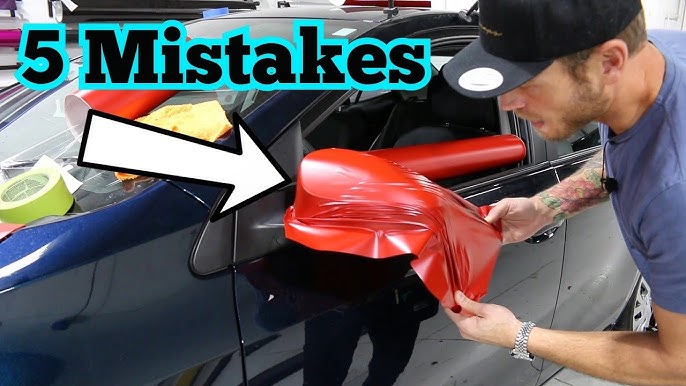
Cut the vinyl slightly larger than the area to cover. This gives room to adjust and align. Place the vinyl on the car gently. Use magnets or tape to hold it in place. Check the fit before peeling the backing paper.
Applying The Vinyl Smoothly
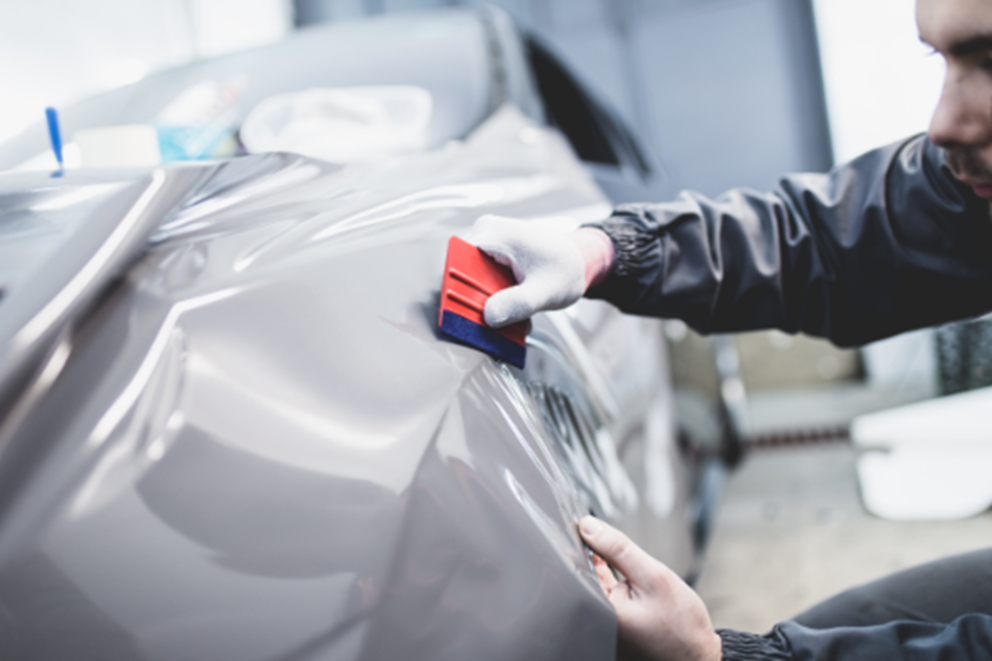
Remove the backing paper slowly from one side. Use a squeegee to press the vinyl onto the surface. Work from the center outwards. This pushes out air and avoids bubbles. Take your time to keep it flat and even.
Handling Curves And Edges
Curves need careful stretching and positioning. Use your hands to press the vinyl gently around edges. Avoid pulling too hard to prevent tears. Trim excess vinyl near edges for a clean finish. Double-check corners for any loose parts.
Heating And Stretching Techniques
Warm the vinyl with a heat gun or hair dryer. Heat makes the vinyl soft and flexible. Stretch it carefully over curves and details. Keep the heat moving to avoid damage. Let the vinyl cool to set its shape firmly.
Troubleshooting Common Issues
Troubleshooting common issues during car vinyl wrap application helps achieve a smooth finish. Small problems like air bubbles, wrinkles, and dust can spoil the look. Fixing these issues quickly keeps your wrap looking neat and professional.
Removing Air Bubbles
Air bubbles form when air gets trapped under the vinyl. Use a pin to gently prick the bubble. Press the air out with a squeegee or your fingers. Work from the center of the bubble outward. This pushes the air to the edge and smooths the surface.
Fixing Wrinkles And Creases
Wrinkles appear when vinyl folds during application. Warm the vinyl slightly with a heat gun or hair dryer. This softens the material and makes it easier to stretch. Use a squeegee to push wrinkles toward the edge. Avoid overheating, as this can damage the wrap.
Dealing With Dust Particles
Dust under the vinyl causes bumps and rough spots. Clean the surface well before applying the wrap. If dust appears after application, lift the vinyl gently near the spot. Remove the dust with a soft cloth or tape. Reapply the vinyl carefully to avoid new dust traps.
Credit: www.turtlewax.com
Caring For Your Vinyl Wrap
Caring for your vinyl wrap helps keep your car looking fresh and new. Proper care prevents damage and extends the wrap’s life. It also keeps colors bright and shiny. Simple steps can make a big difference in maintaining your wrap’s beauty.
Cleaning Tips
Use a soft cloth or sponge to clean your wrap. Wash it with mild soap and water. Avoid harsh chemicals or abrasive cleaners. Rinse thoroughly to remove soap residue. Dry with a clean microfiber towel to prevent water spots. Clean your wrap regularly to stop dirt buildup.
Avoiding Damage
Keep your car away from sharp objects and rough surfaces. Do not use pressure washers too close or at high pressure. Avoid parking under trees to prevent sap and bird droppings. If you see any damage, fix it quickly to stop it from spreading. Handle your wrap gently to avoid peeling or scratching.
Maintaining Shine And Color
Use wax or polish made for vinyl wraps. These products protect the surface and enhance shine. Apply them carefully following the product instructions. Avoid waxes with abrasive ingredients. Park in shaded areas to reduce sun damage. Regular care keeps colors bright and your car looking great.
Removing The Vinyl Wrap
Removing a car vinyl wrap requires care and patience. Doing it right protects your car’s paint and saves time. This section explains the best steps to remove vinyl wrap safely. Follow these tips for a smooth removal process and to keep your car in good shape.
When To Remove
Remove the vinyl wrap if it starts peeling or bubbling. Damage from sun or weather is a sign to remove it. Change the wrap if you want a new color or style. Avoid leaving old wrap for a long time. It can stick too hard and damage paint.
Safe Removal Techniques
Start by heating the wrap with a heat gun or hair dryer. Warm vinyl peels off easier. Pull the wrap slowly at a 45-degree angle. Use your fingers or a plastic scraper. Avoid metal tools to prevent scratches. If the vinyl is stubborn, heat it again gently.
Post-removal Care
After removing the wrap, clean the car surface with mild soap and water. Remove any leftover adhesive with a special remover. Check the paint for damage or dirt. Wax the car to protect the paint and restore shine. Proper care keeps your car looking fresh and new.

Credit: carwrapsupplieraustralia.com
Frequently Asked Questions
What Tools Do I Need To Apply Car Vinyl Wrap?
You need a squeegee, heat gun, utility knife, microfiber cloth, and gloves. These tools help smooth the vinyl and ensure a clean application.
How Long Does A Car Vinyl Wrap Last?
A high-quality vinyl wrap lasts between 5 to 7 years. Proper care and avoiding harsh conditions can extend its lifespan.
Can I Remove Car Vinyl Wrap Myself?
Yes, you can remove vinyl wrap with heat and slow peeling. Be careful to avoid damaging the car’s paint underneath.
Is Car Vinyl Wrap Better Than Paint?
Vinyl wraps are cost-effective, quicker to apply, and reversible. Paint offers durability but is more expensive and permanent.
Conclusion
Car vinyl wrap offers a simple way to change your car’s look. It protects the paint and adds style. Applying it takes patience and care for best results. Clean surfaces and smooth application matter most. Small bubbles or wrinkles can be fixed with heat.
With practice, anyone can do a great job. This method saves money compared to a new paint job. Choose colors and designs that fit your taste. Enjoy a fresh, new look every time you wrap your car.