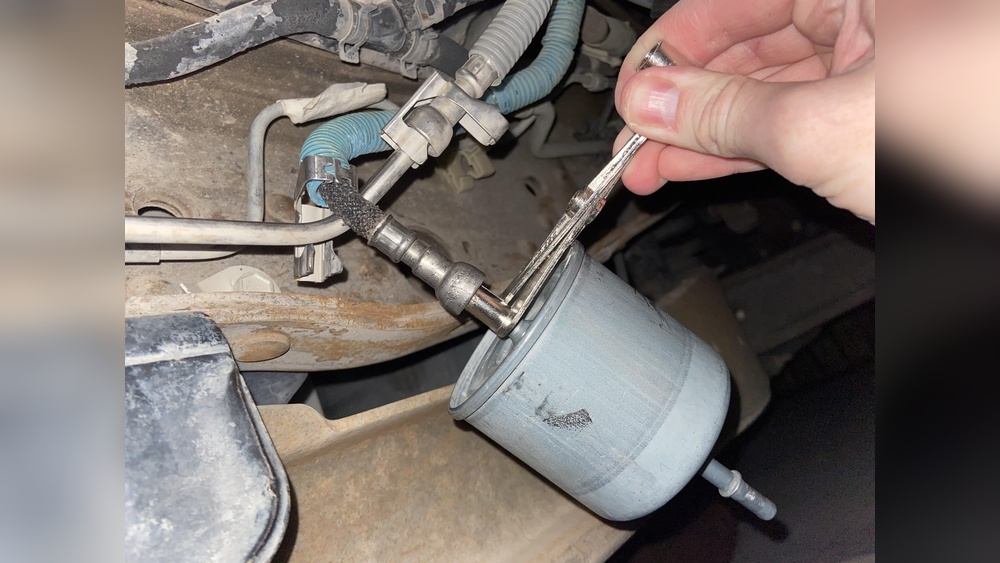
If you’ve ever tried to replace your car’s fuel filter, you know it’s not always easy. That’s where a fuel filter tool comes in.
But how does this simple device actually work? Understanding how the tool helps you remove and install your fuel filter can save you time, avoid damage, and keep your vehicle running smoothly. You’ll discover exactly what a fuel filter tool does and why it’s a must-have for anyone working on their car’s fuel system.
Ready to make your next repair easier? Let’s dive in.
Fuel Filter Tool Basics
Understanding the basics of a fuel filter tool helps in vehicle maintenance. This tool makes changing fuel filters easier and safer. It fits various fuel filter designs and helps avoid fuel spills. Knowing how it works ensures better care for your engine.
Purpose Of A Fuel Filter Tool
The fuel filter tool removes and installs fuel filters. It prevents damage to the filter or fuel lines. It seals connections to stop fuel leaks. This tool saves time and effort during filter replacement. It also keeps the fuel system clean and efficient.
Types Of Fuel Filter Tools
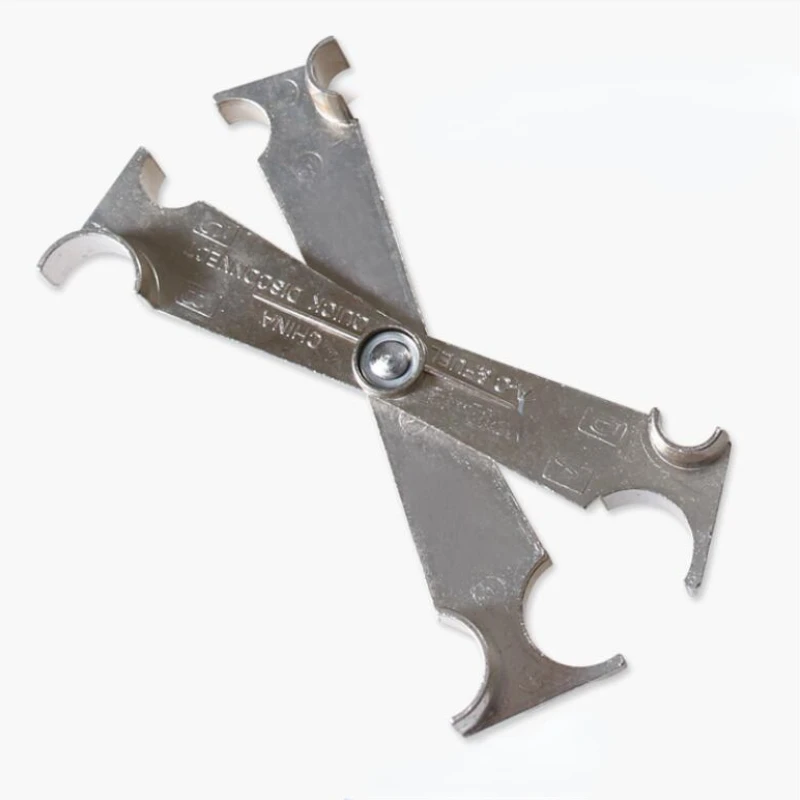
Several types of fuel filter tools suit different filters. Quick-release tools disconnect fuel lines fast. Socket-style tools fit around the filter for easy removal. Strap wrenches grip filters tightly without damage. Each type matches specific vehicle fuel systems and filter shapes.

Credit: www.youtube.com
Key Components
The key components of a fuel filter tool make it work properly. Each part has a specific role to help remove and replace the fuel filter easily. Understanding these parts helps users operate the tool with confidence. Below are the main parts explained and the materials used in the tool.
Main Parts Explained
The fuel filter tool has a handle for grip and control. It includes a socket or clamp to fit the fuel filter size. A ratchet or wrench connection helps turn and loosen the filter. Some tools have a locking mechanism to hold the filter securely. These parts work together to remove or install the filter without damage.
Materials Used
Most fuel filter tools are made from strong metals like steel or aluminum. These metals resist rust and wear during use. The handle may have a plastic or rubber cover for comfort. High-quality materials ensure the tool lasts long and works well in tight spaces. Durable parts make fuel filter replacement safer and easier.
Working Mechanism
The working mechanism of a fuel filter tool is simple yet effective. It helps remove and replace the fuel filter in a vehicle without damage. The tool fits tightly around the filter and allows easy turning. This makes the task quicker and safer.
How It Connects To The Fuel Filter
The tool has a special shape matching the fuel filter’s size and design. It snaps or clamps onto the filter securely. This firm connection ensures the tool does not slip. It grips the filter so you can twist it with control.
Some tools use clips or tabs to lock in place. Others fit like a socket over the filter’s end. This connection type depends on the vehicle model and filter style.
Process Of Removing The Filter
Once attached, the tool lets you turn the filter counterclockwise. This loosens the filter from its housing. The tool provides extra leverage, making it easier to unscrew.
After loosening, the filter can be removed by hand. The tool prevents damage to the filter and surrounding parts. It also helps avoid fuel spills by holding the filter firmly during removal.
Credit: www.martinispa.com
Step-by-step Maintenance
Maintaining your vehicle’s fuel system is key to good engine health. A fuel filter tool helps you change the fuel filter easily. This section guides you through the step-by-step process. Follow these steps to keep your fuel system clean and running well.
Preparing Your Vehicle
Park your vehicle on a flat surface. Turn off the engine and remove the keys. Open the hood and locate the fuel filter. Wear safety gloves and eye protection. Relieve fuel system pressure by following your vehicle’s manual. Have a container ready to catch any fuel spills.
Using The Tool Safely
Attach the fuel filter tool to the fuel line connectors. Make sure it fits snugly to avoid leaks. Use gentle pressure to disconnect the fuel lines. Avoid forcing the tool to prevent damage. Keep a cloth nearby to wipe any fuel drips. Work in a well-ventilated area to avoid fumes.
Replacing The Fuel Filter
Remove the old fuel filter carefully using the tool. Check the new filter matches the old one exactly. Install the new filter in the correct direction. Reconnect the fuel lines firmly with the tool. Double-check all connections for tightness. Start the engine and check for leaks. Dispose of the old filter properly.
Common Issues And Fixes
Fuel filter tools make fuel filter changes easier. Yet, some common problems can slow down the job. Knowing these issues helps fix them fast. This keeps your vehicle running smoothly. Below are typical problems and simple solutions for fuel filter tools.
Tool Slipping Or Sticking
Tool slipping happens when the grip is not tight. Dirt or rust on the filter can cause this. Clean the filter area before using the tool. Use a tool with the right size for the filter. If the tool sticks, apply a small amount of lubricant. This helps the tool move smoothly. Avoid forcing the tool to prevent damage.
Dealing With Tight Filters
Tight filters need extra care. Use a longer handle for more leverage. Tap gently with a rubber mallet to loosen stuck filters. Heat the filter slightly with warm air to expand metal parts. Always turn slowly to avoid breaking the filter. Wear gloves to protect your hands. Patience is key to avoid mistakes.
Tips For Prolonging Tool Life
Keeping your fuel filter tool in good shape saves money and time. Proper care helps it work well longer. Follow simple steps to protect your tool from damage and wear.
Cleaning And Storage
Clean the tool after each use. Remove dirt and fuel residue carefully. Use a soft cloth and mild cleaner. Avoid harsh chemicals that may harm the tool.
Store the tool in a dry, cool place. Keep it away from moisture and dust. Use a toolbox or case for protection. Proper storage stops rust and corrosion.
Regular Inspection
Check the tool regularly for signs of wear. Look for cracks, rust, or loose parts. Tighten any loose screws or bolts. Replace damaged parts immediately.
Inspect moving parts for smooth function. Lubricate them lightly if needed. Regular checks prevent unexpected tool failure. This keeps your work safe and easy.
Choosing The Right Tool
Choosing the right fuel filter tool is key to a smooth repair job. The correct tool fits well, works efficiently, and prevents damage. Picking the wrong one can cause frustration and extra costs. Focus on two main points: compatibility with your vehicle and the balance between budget and quality.
Compatibility With Vehicle Models
Not all fuel filter tools fit every vehicle. Each car model may need a specific size or type of tool. Check your vehicle’s manual or ask an expert. Using the right tool avoids stripping or breaking the fuel filter. It also saves time and effort during replacement.
Some tools work on many models, while others are brand-specific. Choose one designed for your car’s make and model. Compatibility ensures a snug fit and safe operation. This step is crucial for a successful fuel filter change.
Budget Vs. Quality
Fuel filter tools come in a range of prices. Low-cost tools might seem attractive but can lack durability. High-quality tools last longer and offer better performance. Spending a bit more often pays off in the long run.
Consider how often you will use the tool. For one-time use, a budget tool might suffice. For regular use, invest in a quality tool. Good tools reduce the risk of damage and make work easier. Balance your needs and budget carefully before buying.

Credit: www.amazon.com
Frequently Asked Questions
What Is The Primary Function Of A Fuel Filter Tool?
A fuel filter tool helps remove and install fuel filters safely. It ensures a secure fit and prevents fuel leaks during replacement.
How Does A Fuel Filter Tool Simplify Filter Replacement?
The tool grips the fuel filter tightly, allowing easy removal without damage. It saves time and reduces the risk of spills.
Can A Fuel Filter Tool Prevent Fuel System Damage?
Yes, it prevents damage by ensuring proper filter handling. It avoids cracks or leaks that could harm the fuel system.
Is A Fuel Filter Tool Compatible With All Vehicle Models?
Most tools fit common fuel filter designs, but some vehicles need specific tools. Always check compatibility before purchase.
Conclusion
A fuel filter tool helps remove and replace fuel filters easily. It fits securely and turns filters without damage. This tool saves time and effort during maintenance. Clean fuel filters keep engines running smoothly and last longer. Using the right tool reduces risks of leaks and spills.
Anyone working on a vehicle’s fuel system benefits from this tool. Understanding its use ensures better care for your car. Simple, effective, and reliable—fuel filter tools make filter changes safer. Keep your engine healthy by maintaining the fuel filter regularly.