

When you look at your car’s wheels, do you really know all the parts that make them work? Understanding the names of each wheel part can help you take better care of your vehicle and spot problems before they get serious.
Whether you’re a new driver or just curious, this guide will break down the key car wheel name parts in simple terms. By the end, you’ll feel more confident talking about your wheels and maintaining them like a pro. Ready to learn what makes your wheels roll smoothly?
Let’s dive in!
Credit: www.santaanawheel.com
Basic Wheel Components
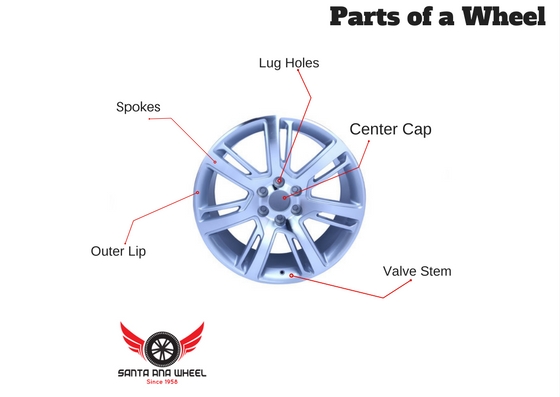
Car wheels consist of several key parts that work together to support the vehicle and ensure smooth movement. Understanding these parts helps you grasp how wheels function. Each component has a unique role in the wheel’s overall performance.
Rim
The rim is the outer edge of the wheel. It holds the tire in place. Rims come in different sizes and styles. They also affect the car’s look and handling.
Hub
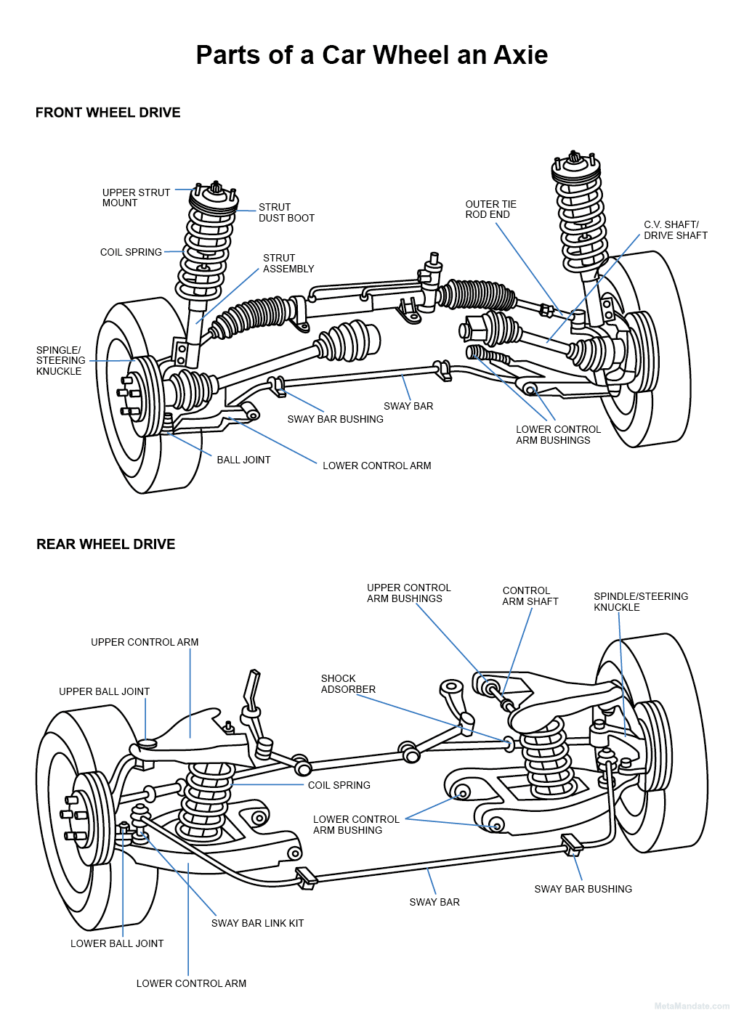
The hub is the center part of the wheel. It connects the wheel to the car’s axle. The hub holds the wheel bearings that allow smooth spinning. It also supports the wheel’s weight.
Spokes
Spokes link the rim to the hub. They provide strength and shape to the wheel. Spokes help distribute weight evenly. Some wheels have many spokes, others have few.
Tire
The tire fits around the rim. It is the only part that touches the road. Tires provide grip, absorb shocks, and improve safety. They come in many types for different conditions.
Credit: metamandate.com
Rim Details
The rim is a key part of a car wheel. It holds the tire in place and supports the vehicle’s weight. Understanding the rim helps you know how wheels work. The rim has different parts that each serve a purpose. These parts keep the tire secure and help the wheel roll smoothly.
Bead Seat
The bead seat is where the tire meets the rim. It holds the tire’s edge tightly. This part stops air from leaking out of the tire. It also keeps the tire from slipping off the rim during driving. The bead seat must be strong and smooth to fit the tire well.
Flange
The flange is the outer edge of the rim. It protects the tire’s sidewall from damage. This part also helps keep the tire on the rim. The flange stops the tire from sliding sideways. It acts like a small wall around the rim’s edge.
Drop Center
The drop center is the lowest part of the rim’s inner surface. It makes it easier to mount and remove tires. This curved area gives space for the tire to flex. Without a drop center, changing tires would be very hard. It also helps keep the tire balanced on the rim.
Hub Elements
The hub elements are key parts of a car wheel. They connect the wheel to the car and help it spin smoothly. These parts work together to keep the wheel stable and safe. Understanding them helps you know how wheels function.
Wheel Bearings
Wheel bearings allow the wheel to turn with little friction. They are small metal balls or rollers inside a ring. Bearings support the car’s weight and make the ride smooth. Bad bearings cause noise and rough driving.
Hub Flange
The hub flange is the flat part where the wheel attaches. It holds the wheel securely to the car. The flange spreads the load evenly across the wheel. A strong flange helps keep the wheel from wobbling.
Bolt Pattern
The bolt pattern is the number and layout of bolts on the hub. It matches the wheel to the car’s hub. Bolt patterns vary between cars and wheels. Correct bolt patterns ensure the wheel fits safely and tightly.

Credit: thekickerblog.wordpress.com
Spoke Types And Functions
Spokes are vital parts of a car wheel. They connect the hub to the rim. Spokes help support the wheel’s weight and keep it strong. Different types of spokes offer various strengths and flexibility. Understanding spoke types helps in choosing the right wheel for your needs.
Straight Spokes
Straight spokes run in a direct line from the hub to the rim. They are simple and strong. These spokes are easy to replace and maintain. Straight spokes provide good stability for most driving conditions. They work well for everyday cars and light trucks.
Butted Spokes
Butted spokes are thicker at the ends and thinner in the middle. This design saves weight without losing strength. They flex more than straight spokes. This flexibility improves ride comfort and absorbs shocks better. Butted spokes are common in performance wheels and racing cars.
Lacing Patterns
Lacing patterns describe how spokes cross each other between hub and rim. Common patterns include radial, cross, and mixed lacing. Radial lacing has spokes running straight out without crossing. Cross lacing has spokes crossing over one or more spokes. Lacing affects wheel strength, stiffness, and appearance.
Tire Parts
The tire is a vital part of a car wheel. It touches the road and keeps the car moving safely. Tires have different parts, each with a special job. Knowing these parts helps you understand how tires work. It also helps in choosing the right tire for your car.
Tread
The tread is the outer surface of the tire. It has patterns that grip the road. The tread helps in driving on wet or dry roads. It also protects the tire from wear and tear. Good tread means better control and safety.
Sidewall
The sidewall is the part of the tire between the tread and bead. It holds the tire’s shape and protects it from damage. The sidewall also shows important information like tire size and type. It helps absorb shocks from bumps on the road.
Bead
The bead is the edge of the tire that fits onto the wheel rim. It keeps the tire firmly attached to the rim. The bead is made of strong steel wires. This part prevents the tire from slipping off the wheel.
Shoulder
The shoulder is where the tread meets the sidewall. It supports the tire during turns and cornering. The shoulder helps distribute pressure evenly. This part also affects tire wear and handling on the road.
Additional Wheel Components
Car wheels have more parts than just the rim and tire. These extra pieces help your wheels work better and last longer. Understanding these parts can help you keep your car safe and smooth on the road.
Some parts you might not notice often still play a big role. Let’s explore these additional wheel components and what they do.
Valve Stem
The valve stem lets air go into the tire. It has a small cap to keep dirt out. Without it, air would leak, making the tire flat. It also helps you check tire pressure easily.
Wheel Weights
Wheel weights balance the wheel and tire. They stop the wheel from wobbling while driving. This makes the ride smoother and reduces tire wear. Technicians add these weights after tire installation.
Center Cap
The center cap covers the wheel hub. It protects the wheel’s center from dust and dirt. Also, it gives the wheel a finished look. Some center caps show the car brand logo.
Materials Used In Wheels
Car wheels come in different materials. Each material affects the wheel’s strength, weight, and cost. Choosing the right material can improve car performance and safety.
Understanding common materials helps you know what fits your needs. Here are the main materials used in car wheels.
Steel
Steel is a strong and heavy material. It is very durable and resists damage well. Steel wheels are often cheaper than others. They work well for everyday driving and rough roads.
Aluminum
Aluminum wheels are lighter than steel. They improve car handling and fuel efficiency. Aluminum also resists rust better. These wheels often have a shiny, attractive finish.
Alloy
Alloy wheels mix different metals, usually aluminum and small amounts of others. They are light and strong. Alloy wheels can cool brakes better. They often come in stylish designs.
Carbon Fiber
Carbon fiber wheels are very light and strong. They offer great performance for racing cars. Carbon fiber is expensive and less common. These wheels improve speed and reduce fuel use.
Common Wheel Maintenance Tips
Keeping your car wheels in good shape is key for safe driving. Regular maintenance helps your wheels last longer and improves vehicle performance. Small checks can prevent big problems on the road.
Balancing
Wheel balancing stops vibrations while driving. It ensures weight is evenly spread around the wheel. Unbalanced wheels cause uneven tire wear and damage suspension parts. Get your wheels balanced every 5,000 to 6,000 miles or after tire changes.
Alignment
Proper wheel alignment keeps your car driving straight. Misaligned wheels cause tires to wear fast and pull to one side. It wastes fuel and strains the steering system. Check alignment yearly or if your car pulls left or right.
Tire Pressure
Correct tire pressure improves fuel efficiency and tire life. Low pressure wears tires unevenly and reduces control. High pressure can cause a rough ride and blowouts. Check pressure monthly and before long trips using a reliable gauge.
Frequently Asked Questions
What Are The Main Parts Of A Car Wheel?
A car wheel mainly consists of the rim, tire, hub, spokes, and valve stem. The rim holds the tire, while the hub connects the wheel to the axle. Spokes support the structure, and the valve stem allows air inflation.
How Does The Hub Affect Wheel Performance?
The hub is crucial for wheel alignment and stability. It connects the wheel to the car’s axle and houses the wheel bearings. A well-maintained hub ensures smooth rotation and better handling of the vehicle.
What Role Do Spokes Play In A Car Wheel?
Spokes support the wheel’s rim and distribute weight evenly. They provide structural strength and help absorb shocks from the road. Proper spoke tension enhances wheel durability and overall vehicle safety.
Why Is The Valve Stem Important In Car Wheels?
The valve stem allows air to enter and stay in the tire. It ensures proper tire inflation, which affects fuel efficiency and tire lifespan. A damaged valve stem can cause air leaks and reduce tire performance.
Conclusion
Understanding car wheel parts helps you maintain your vehicle better. Each part has a role in safety and performance. Knowing these names makes repairs and upgrades easier. Wheels keep your car moving smoothly and safely. Take time to learn these terms for smart car care.
Simple knowledge leads to confident decisions on the road. Keep your wheels in good shape for a safer drive.


