

Are you tired of worrying about your car wheels shifting or getting damaged during transport? Car wheel straps are the simple solution you need to keep your wheels secure and safe.
Whether you’re moving, storing, or shipping your vehicle, the right straps can make all the difference. You’ll discover how car wheel straps work, why they’re essential, and how to choose the best ones for your needs. Keep reading to protect your wheels and drive with confidence every time.
Choosing The Right Wheel Straps
Choosing the right car wheel straps is key for safe and secure transport. The right straps keep your wheels tight and prevent damage during travel. Selecting the best option depends on several important factors. Understanding these will help you pick straps that fit your needs perfectly.
Types Of Wheel Straps
Wheel straps come in different types. Ratchet straps are common and easy to tighten. Cam buckle straps offer quick adjustment but less strength. Some straps include hooks or loops for better hold. Choose a type that suits your vehicle and wheel size.
Material And Durability
Strap material affects strength and lifespan. Nylon straps are strong and resist stretching. Polyester straps handle weather well and stay tight. Avoid cheap materials that can snap or wear out fast. Durable straps last longer and keep wheels secure.
Size And Fit Considerations
Strap length and width matter. Longer straps fit larger wheels and more vehicles. Wider straps spread pressure evenly, preventing wheel damage. Measure your wheels before choosing straps. Proper fit ensures safe and stable transport every time.
Preparing Your Vehicle For Transport
Preparing your vehicle for transport is a key step before securing it with car wheel straps. Proper preparation helps protect your car and makes the transport process smooth. This section covers simple tasks to get your vehicle ready and safe for the journey.
Cleaning And Inspecting Wheels
Start by cleaning your wheels thoroughly. Dirt and debris can hide damage or weak spots. Use water and a mild cleaner to remove grime. Check each wheel for cracks, dents, or loose parts. Fix any issues before transport to avoid problems during loading or unloading.
Positioning The Vehicle Correctly
Park your vehicle in a straight line on the trailer or flatbed. Make sure the wheels sit flat and evenly on the surface. Proper positioning prevents shifting and damage while moving. Engage the parking brake and keep the vehicle in gear or park mode for extra safety.
Checking Tire Pressure
Check the tire pressure on all wheels. Tires should match the manufacturer’s recommended pressure. Properly inflated tires help keep the vehicle stable during transport. Low or high pressure may cause tire damage or affect strap tension. Adjust the pressure as needed before securing the car.
Proper Wheel Strap Installation
Proper wheel strap installation is essential for safe vehicle transport. Incorrect use can cause damage or accidents. Taking time to install straps correctly helps keep wheels secure and prevents movement during transit. Follow clear steps to ensure strong, stable wheel hold.
Securing The Straps Around The Wheels
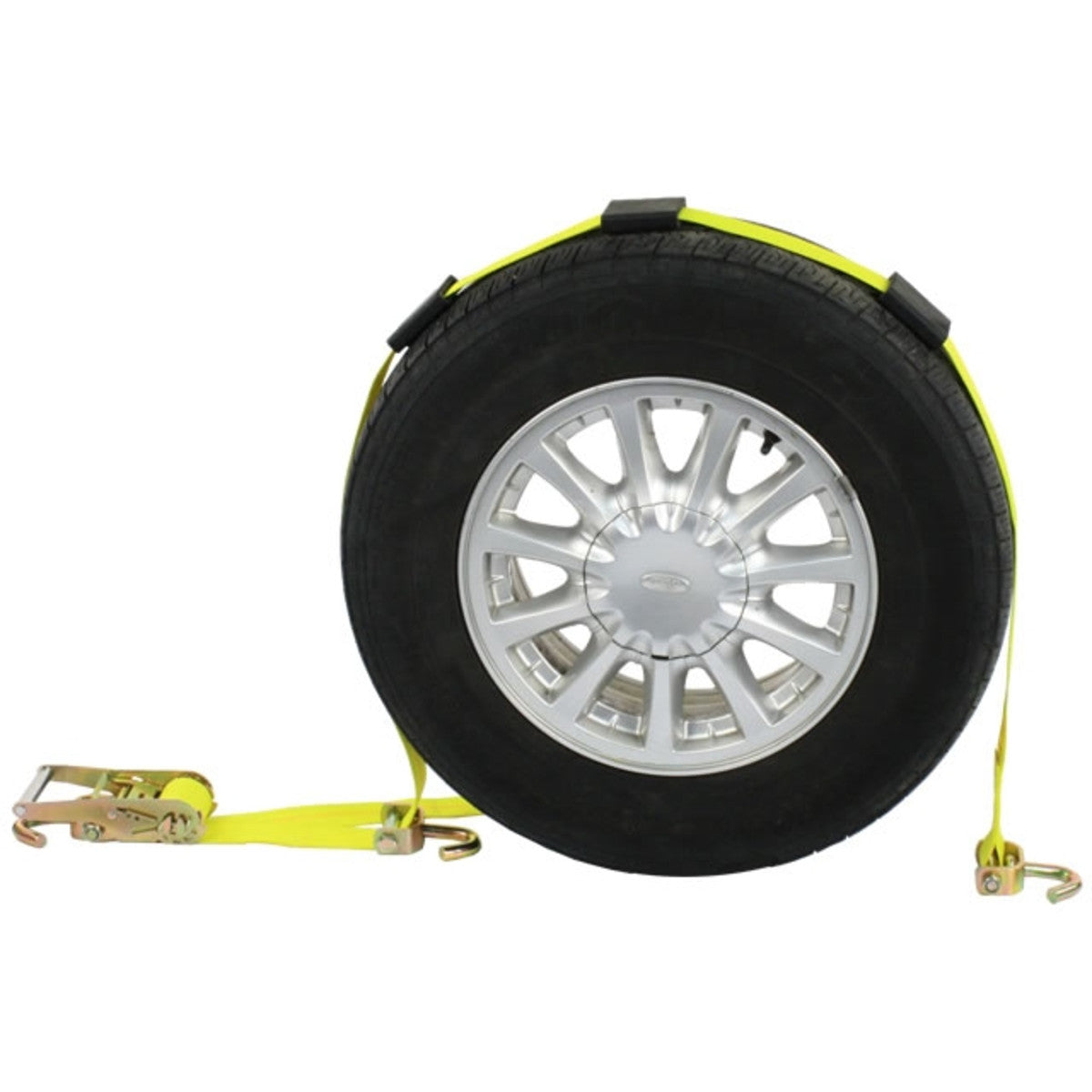
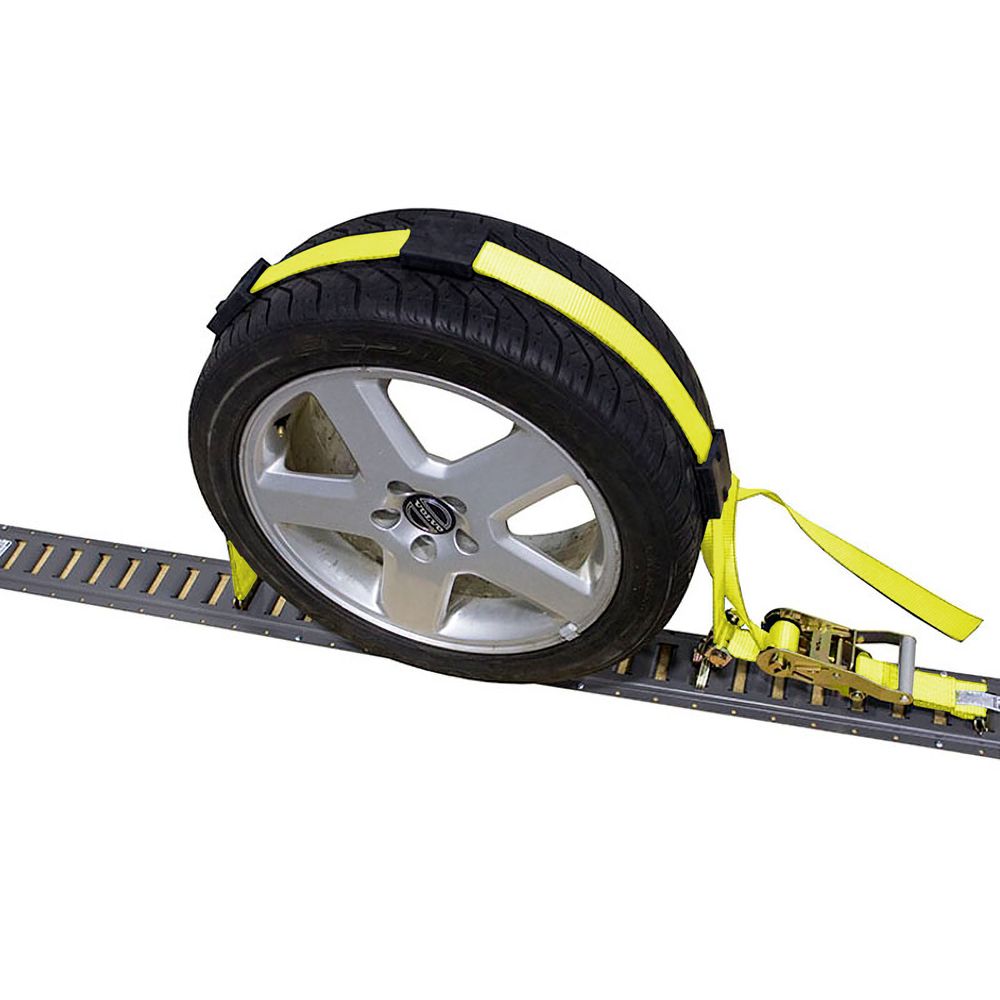
Place the straps around the wheel, not the tire. The strap should contact the metal rim to avoid tire damage. Position straps evenly on both sides of the wheel. Check that the strap lies flat without twists. Secure hooks or anchors to the vehicle frame or trailer.
Tightening Techniques
Use a ratchet or tensioner to tighten straps firmly. Pull the strap slowly and steadily for even tension. Avoid over-tightening, which can damage wheels or suspension. Check strap tension after tightening and again during transport stops. Proper tension keeps wheels from moving or slipping.
Avoiding Common Mistakes
Do not wrap straps over the tire tread. Twisted or loose straps reduce holding strength. Avoid attaching hooks to weak or movable parts. Never use damaged or worn straps for securing wheels. Double-check all straps before driving to ensure safety.
Credit: www.uscargocontrol.com
Additional Safety Measures
Car wheel straps help keep your vehicle safe during transport. Taking extra safety steps lowers risk and protects your car. These measures ensure the straps hold tight and the car stays in place. Safety is key on every trip.
Using Backup Straps
Backup straps act as a safety net. They hold the car if the main strap fails. Use strong, good-quality backup straps. Attach them securely to the car and trailer. Backup straps add an extra layer of protection.
Combining With Other Tie-downs
Use wheel straps along with other tie-downs for better security. Tie-downs on the frame or axles reduce car movement. Different tie-down types spread the load evenly. This combination keeps the car stable on rough roads.
Regularly Checking Strap Tension
Strap tension changes during transport. Check straps often during stops or breaks. Tighten any loose straps right away. This prevents the car from shifting or coming loose. Regular checks keep the load secure and safe.
Maintaining And Storing Wheel Straps
Maintaining and storing car wheel straps correctly keeps them strong and safe. These straps hold your wheels tightly during transport. Proper care stops damage and extends their life. Small habits make a big difference in safety and durability.
Cleaning And Inspecting Straps
Clean straps after each use. Dirt and grime weaken the fabric over time. Use mild soap and water. Avoid harsh chemicals that can damage the material.
Check straps for cuts, frays, or worn spots. Look closely at the stitching and buckles. Damaged areas reduce strap strength and increase risk. Replace straps if you find any defects.
Proper Storage Tips
Store straps in a dry, cool place. Avoid direct sunlight to prevent fading and weakening. Roll straps loosely to avoid creases and damage.
Keep straps away from sharp objects and heavy tools. Use a storage bag or container to protect them from dust. Proper storage keeps straps ready for safe use.
When To Replace Straps
Replace straps if you see deep cuts or heavy fraying. Any damage lowers their ability to hold wheels securely. Also, replace straps if the buckles or hooks are bent or broken.
Do not use straps that show signs of wear or tear. Old straps lose strength even if they look okay. Regular replacement ensures safe and reliable wheel transport.

Credit: www.aero-net.com
Legal And Safety Standards
Car wheel straps are essential for safe vehicle transport. They keep wheels secured and prevent movement during transit. Following legal and safety standards ensures the straps work effectively. These standards protect the vehicle, the driver, and others on the road.
Regulations For Vehicle Transport
Many countries have rules for securing vehicles during transport. These rules include the type of straps and how tight they must be. Properly secured wheels reduce accidents and damage. Transporters must follow these laws to avoid fines and delays.
Manufacturer Guidelines
Strap makers provide instructions for correct use. These guidelines cover strap length, tension, and attachment points. Following them extends strap life and improves safety. Ignoring guidelines can lead to strap failure and accidents.
Safety Certifications
Look for straps with safety certifications. These marks show the strap meets strict quality tests. Certifications include ISO, DOT, or other local standards. Certified straps give confidence in their strength and reliability.
Credit: www.cargoequipmentcorp.com
Frequently Asked Questions
What Are Car Wheel Straps Used For?
Car wheel straps secure wheels during transport or storage. They prevent movement and protect the vehicle from damage. These straps offer a reliable and easy way to stabilize wheels on trailers or roof racks.
How Do You Install Car Wheel Straps Properly?
To install car wheel straps, loop the strap around the wheel. Tighten it firmly without over-tightening to avoid damage. Secure the strap’s buckle or ratchet mechanism. Always check the strap’s tension before driving.
Are Car Wheel Straps Safe For All Tire Types?
Yes, car wheel straps are generally safe for most tire types. They distribute pressure evenly and avoid tire damage. However, always choose straps made from quality materials for maximum safety and durability.
Can Car Wheel Straps Prevent Wheel Theft?
Car wheel straps can deter theft by securing wheels tightly. While not foolproof, they add a layer of protection. For added security, combine them with wheel locks or alarms.
Conclusion
Car wheel straps keep your wheels safe and secure during transport. They are easy to use and help prevent damage. Choosing the right strap makes a big difference. Always check the strap’s strength and quality before buying. Proper use adds safety and peace of mind.
Keep your vehicle stable with good wheel straps. Simple steps lead to safer trips and less worry. Protect your wheels with the right tools every time.


