

If you use needleless connector devices, you know how important they are for safe and easy access to your veins. But do you really know how to care for them the right way?
Proper care can prevent infections, keep your device working smoothly, and protect your health. You’ll discover simple, effective steps to maintain your needleless connector devices. By following these tips, you’ll feel more confident and in control of your care. Keep reading to learn how to protect yourself and get the most out of your device.
Types Of Needleless Connectors
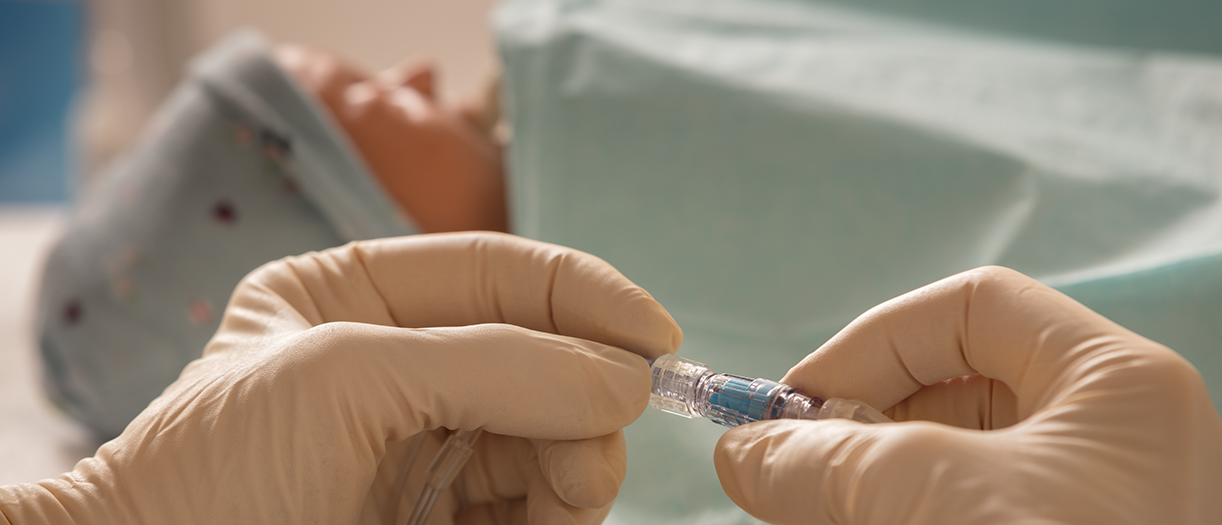
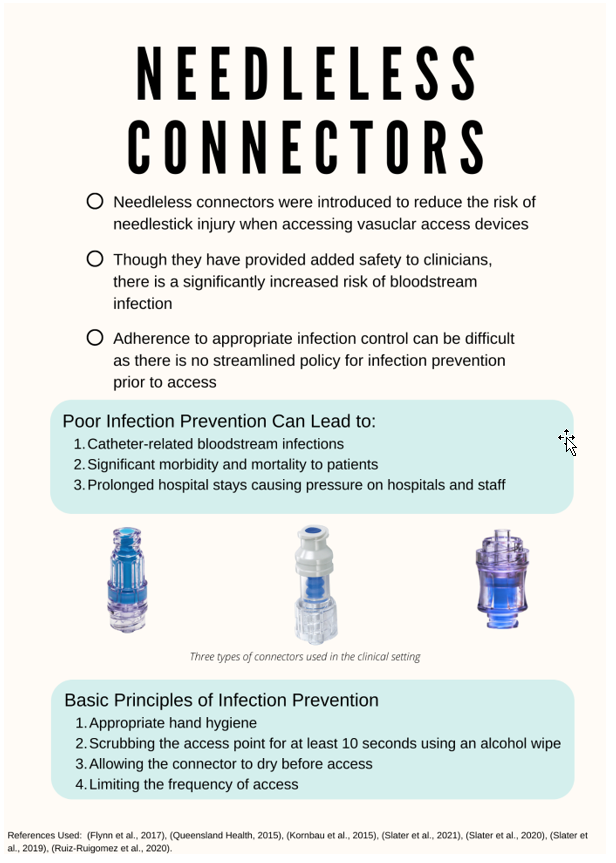
Needleless connectors come in different types to meet medical needs. Each type has unique features that affect care and use. Understanding these types helps maintain safety and function.
Proper care depends on knowing the design and material. This knowledge reduces infection risks and device failure. Below are common designs and material differences.
Common Designs
Needleless connectors often have varied shapes and mechanisms. Some use a mechanical valve that opens when connected. Others have a split septum that seals the opening.
There are also positive displacement and neutral displacement types. Positive displacement pushes fluid back to prevent blood clots. Neutral displacement avoids pushing or pulling fluid during disconnection.
Each design affects cleaning steps and flushing methods. Recognizing these helps in proper handling and care.
Material Differences
Materials vary from plastic to silicone and sometimes metal parts. Plastic connectors are light and disposable. Silicone offers flexibility and a tight seal.
Material affects cleaning products and techniques. Some materials resist certain disinfectants better. Knowing the material helps choose the right cleaning method.
Proper material care extends device life and prevents damage. It also helps keep the connector safe for patient use.
Credit: eu.bd.com
Routine Cleaning Practices
Routine cleaning practices keep needleless connector devices safe and effective. These devices connect to IV lines and help deliver fluids or medicine. Proper cleaning stops germs from entering the body. It also prevents infections and device blockages. Cleaning should follow clear steps and use the right materials.
Recommended Cleaning Agents
Use alcohol-based solutions to clean connector devices. Usually, 70% isopropyl alcohol works best. It kills most bacteria and viruses quickly. Chlorhexidine can be used but only if recommended by health guidelines. Avoid using plain water or soap, as they do not disinfect well. Choose products that dry fast to reduce contamination risk.
Cleaning Frequency
Clean the connector before each access or use. Also, clean after every disconnection. For long-term devices, clean at least once every 7 days. Follow your hospital or clinic’s protocol for exact timing. Prompt cleaning helps keep the device sterile and safe. Do not skip or delay cleaning to protect patient health.
Disinfection Techniques
Proper disinfection is vital for needleless connector devices. These devices help prevent infections during medical treatments. Keeping them clean ensures patient safety. It also extends the device’s usability. Understanding how to disinfect them correctly is essential.
Effective Disinfectants
Alcohol-based solutions are commonly used for disinfection. Usually, 70% isopropyl alcohol works best. It kills most germs quickly. Chlorhexidine gluconate is another option. It offers longer-lasting protection. Some facilities use iodine-based disinfectants. These are effective but may cause skin irritation. Always select disinfectants approved for medical devices.
Proper Application Methods
Start by cleaning the surface with a disinfectant wipe. Rub the connector in a circular motion. Continue for at least 15 seconds. Allow the disinfectant to air dry completely. Avoid wiping it off or blowing on it. This ensures the germ-killing process finishes. Use a new wipe for each disinfection. Clean hands before and after the procedure. Proper technique reduces infection risks significantly.
Credit: www.avatargroup.org.au
Handling And Maintenance Tips
Proper care for needleless connector devices is essential to ensure their safety and effectiveness. Handling and maintenance tips help prevent infections and device failures. Following clear steps keeps these devices clean and working well.
Safe Handling Procedures
Always wash hands before touching the connector. Use gloves if required. Avoid touching the connector tip to keep it clean. Clean the access port with an approved disinfectant before use. Do not force connections or twist the device. Handle connectors gently to avoid damage.
Regular Inspection And Replacement
Check connectors daily for cracks, leaks, or dirt. Replace the device immediately if damage is found. Follow the manufacturer’s recommended replacement schedule. Inspect seals and caps for tightness and cleanliness. Regular replacement reduces infection risk and ensures device function.
Avoiding Common Mistakes
Avoiding mistakes in caring for needleless connector devices is key for safety. Many problems come from simple errors. These mistakes can cause infections or device failure. Proper care keeps patients safe and devices working well. Follow clear steps to prevent common errors.
Preventing Contamination
Contamination is a big risk with needleless connectors. Always wash hands before handling the device. Use alcohol swabs to clean the connector before use. Never touch the connector tip with your fingers. Keep the device covered when not in use. Replace connectors according to guidelines to avoid buildup. Avoid touching the device after cleaning to keep it sterile.
Proper Storage Guidelines
Store needleless connectors in a clean, dry place. Avoid areas with dust or moisture. Keep them in sealed packaging until use. Do not store near chemicals or cleaning agents. Check expiration dates and discard old devices. Proper storage helps maintain sterility and device function. Follow manufacturer instructions for storage conditions.
Training And Compliance
Proper care of needleless connector devices depends heavily on training and compliance. Staff must understand the correct use and maintenance to prevent infections and ensure patient safety. This section highlights key aspects of training and following guidelines.
Staff Education
Staff education is crucial for safe handling of needleless connectors. Training programs teach correct cleaning, flushing, and handling techniques. Regular refresher courses keep staff updated on best practices. Hands-on practice helps staff gain confidence and reduces errors. Clear instructions and demonstrations improve understanding. Well-trained staff can spot problems early and act quickly.
Adhering To Protocols
Strict adherence to protocols ensures consistent care of needleless connectors. Protocols detail each step of cleaning and maintenance. Following these steps reduces infection risk and device damage. Compliance checks and audits encourage staff to follow rules. Written guidelines and reminders help staff remember procedures. Consistent practice builds good habits and protects patients.

Credit: vascufirst.com
Frequently Asked Questions
What Is The Best Way To Clean Needleless Connector Devices?
Use an alcohol swab or chlorhexidine wipe to clean the device. Clean the access port for at least 15 seconds before each use. This prevents infection and maintains device sterility effectively.
How Often Should Needleless Connectors Be Replaced?
Replace needleless connectors every 7 days or according to facility protocols. Frequent replacement reduces infection risks and maintains device functionality. Always follow manufacturer guidelines and healthcare provider instructions.
Can Improper Care Cause Infections With Needleless Connectors?
Yes, improper care increases infection risk significantly. Contaminated connectors can introduce bacteria into the bloodstream. Proper cleaning and timely replacement are essential to prevent infections.
Why Is Scrubbing The Hub Important For Needleless Devices?
Scrubbing the hub removes pathogens and reduces infection risk. It ensures the port is sterile before access. Proper technique includes scrubbing for 15 seconds with an appropriate disinfectant.
Conclusion
Proper care of needleless connector devices ensures patient safety and device longevity. Clean connectors before use to reduce infection risks. Handle devices gently to avoid damage or leaks. Regular inspection helps spot issues early. Follow manufacturer instructions for cleaning and replacement.
Consistent care prevents complications and supports effective treatment. Remember, small daily steps make a big difference in care quality. Keep connectors clean, dry, and ready for safe use every time. Simple habits protect both patients and healthcare workers alike.


