
Are you looking to upgrade your car’s look with new wheel covers but unsure how to find the right size? Getting the perfect fit matters more than you might think.
If your wheel covers are too big or too small, they won’t just look off—they could even fall off while driving. Understanding how wheel covers are measured will save you time, money, and frustration. Keep reading to discover simple steps that ensure you pick wheel covers that fit your wheels flawlessly every time.
Wheel Cover Sizes
Wheel covers come in different sizes to fit various wheels. Choosing the right size ensures a perfect fit and good look. Understanding how wheel covers are measured helps you pick the correct one.
Knowing your wheel size is the first step. It avoids buying covers that are too big or too small. Here is how wheel cover sizes are measured and matched to wheels.
Standard Diameter Measurements
Wheel covers are measured by their diameter in inches. This number matches the diameter of the wheel they cover. Common sizes include 14, 15, 16, and 17 inches.
The diameter refers to the distance across the wheel from one edge to the other. Measuring it correctly ensures the cover fits snugly without slipping.
Matching Covers To Wheel Size
To match a cover, check the wheel diameter on the tire or wheel itself. This number shows the size needed for the cover. Use it to find covers labeled with the same size.
Wheel covers usually clip onto the wheel’s edge. A tight fit keeps the cover secure during driving. Always pick a cover that matches the wheel diameter exactly.

Credit: www.youtube.com
Measuring Wheel Diameter
Measuring the wheel diameter is a key step in finding the right wheel covers. The diameter tells you the size of the wheel across its widest point. This measurement must be accurate to ensure the cover fits well. Two easy methods can help you measure your wheel diameter correctly.
Using A Tape Measure
Start by placing the tape measure across the center of the wheel. Measure from one edge of the rim to the opposite edge. Make sure the tape is straight and not bent. Note the number in inches, as wheel covers use inches for size. This simple tool gives you a quick and clear measurement.
Checking Manufacturer Specs
Look at the wheel or vehicle manual for diameter details. Manufacturers often list wheel sizes in the specs section. This info is reliable and precise. It can save time and avoid guesswork. Match the listed diameter with your tape measure results for accuracy.
Wheel Cover Types
Wheel covers come in different types, each serving a unique purpose. Choosing the right type affects both the look and protection of your wheels. Understanding the main types helps you find the best fit for your vehicle.
Full Wheel Covers
Full wheel covers cover the entire wheel surface. They protect the wheel from dirt and damage. These covers also give a clean, sleek look to your car. Full covers are easy to install and remove. They fit tightly around the wheel rim for a secure hold.
Partial Hubcaps
Partial hubcaps cover only the center part of the wheel. They expose the outer rim and tire area. These covers add style without hiding the whole wheel. Partial hubcaps are lighter and often less expensive. They snap onto the wheel’s center with clips or screws.

Credit: www.youtube.com
Fit And Compatibility
Fit and compatibility are key to choosing the right wheel covers. The cover must match your wheel size exactly. A proper fit keeps the cover in place during driving. It also protects your wheels from dirt and damage.
Wheel covers come in various sizes. These sizes relate to the diameter of the wheel. Measuring your wheel size helps find covers that fit well. Covers that do not fit can fall off or cause damage.
Ensuring Secure Attachment
Secure attachment stops the wheel cover from slipping off. Most wheel covers use clips or screws to hold tight. These clips must match the wheel’s edge shape. A tight grip prevents noise and wobbling while driving.
Check the cover’s attachment system before buying. It should be strong but easy to install and remove. Proper attachment adds safety and keeps your wheels looking good.
Common Fit Issues
Common fit issues include covers that are too loose or tight. Loose covers may fall off on rough roads. Tight covers can crack or damage the wheel edges.
Wrong size covers also cause poor fit and look odd. Some covers do not fit wheels with special rims or designs. Always measure your wheels and check cover specs carefully.
Materials And Durability
Wheel covers come in different materials, each with unique strengths. The choice of material affects how long the covers last. Durability is key for protecting wheels from damage and wear.
Material type also influences the cover’s weight and appearance. Some materials resist dents and scratches better. Others handle weather changes more effectively. Understanding these differences helps in picking the right cover.
Plastic Vs Metal Covers
Plastic covers are light and easy to install. They often cost less and offer many design options. Some plastics resist fading but can crack under impact.
Metal covers are stronger and last longer. They resist dents and scratches well. Steel and aluminum are common metals used. Metal covers weigh more and may need extra care to avoid rust.
Weather Resistance
Wheel covers face rain, sun, snow, and dirt daily. Weather resistance is crucial for lasting performance. Plastic covers often resist water and sun damage.
Metal covers need coatings to prevent rust and corrosion. Some have special paint or finishes for weather protection. Choosing covers with good weather resistance keeps them looking new.
Installation Tips
Installing wheel covers correctly is important to keep them secure and looking good. Proper installation helps avoid damage and ensures a perfect fit. Follow simple tips and steps to make the process smooth and quick.
Tools Needed
Gather a few basic tools before you start. You will need a flathead screwdriver to remove old wheel covers. A rubber mallet helps to gently tap the new covers in place. Gloves protect your hands during the process. Clean cloths are useful for wiping the wheels before installation.
Step-by-step Guide
Start by cleaning the wheel surface. Dirt can stop the cover from fitting well. Remove the old wheel cover carefully using the flathead screwdriver. Align the new cover with the wheel’s edge. Press the cover firmly against the wheel. Use the rubber mallet to tap around the edges lightly. Check that the cover fits tightly all around. Spin the wheel slowly to ensure the cover stays in place. Repeat for all wheels. Clean the covers with a cloth after installation for a nice finish.
Maintaining Wheel Covers
Maintaining wheel covers keeps them looking new and protects your wheels. Clean and careful handling extends their life. Simple steps help avoid costly replacements and keep your car stylish.
Cleaning Methods
Use mild soap and water to clean wheel covers. Avoid harsh chemicals that can damage the surface. A soft cloth or sponge works best to remove dirt. Rinse thoroughly with clean water and dry with a towel. Regular cleaning prevents buildup of grime and brake dust.
Preventing Damage
Avoid hitting curbs or rough surfaces that can scratch covers. Remove covers carefully when changing tires to prevent cracks. Store wheel covers in a dry, cool place during winter. Check for loose or broken clips often to keep covers secure. Small care steps prevent expensive repairs later.
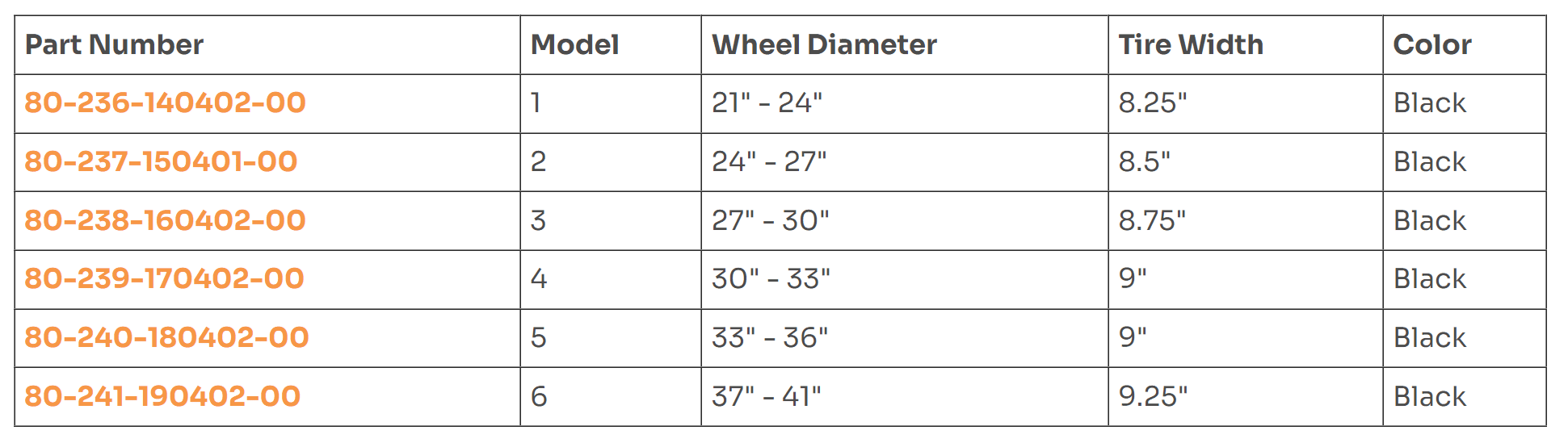
Credit: www.airskirts.com
Frequently Asked Questions
How Do You Measure Wheel Covers Accurately?
Measure the diameter of your wheel from edge to edge. Use a tape measure across the center for precise sizing. This size matches the wheel cover needed for a perfect fit.
What Tools Are Needed To Measure Wheel Covers?
A simple tape measure or ruler is sufficient. Ensure the measuring tool is straight and accurate for exact diameter measurement. No special tools are required.
Can Wheel Cover Size Differ From Tire Size?
Yes, wheel cover size matches the wheel diameter, not the tire size. Tires vary in width and profile, but covers fit the wheel rim diameter only.
Why Is Measuring Wheel Covers Important?
Proper measurement ensures a secure fit and prevents cover loss. It also maintains aesthetic appeal and protects wheels from dirt and damage.
Conclusion
Measuring wheel covers is simple once you know what to check. Start with the wheel size marked on your tire. Then, measure the wheel diameter carefully for the best fit. Remember, a proper fit keeps the cover secure and looks good.
Using the right size also protects your wheels from dirt and damage. Take your time to measure well. This helps you choose covers that last and match your car perfectly. Now, you can pick wheel covers with confidence and style.


