

Have you ever wondered just how big covered wagon wheels really were? These wheels weren’t just simple circles; they played a crucial role in shaping the westward expansion.
Understanding their size can give you a clearer picture of the challenges pioneers faced on rough trails. Stick with me, and you’ll discover surprising facts about these wheels that will change the way you see those old wagons forever. Ready to dive in?
Let’s roll!

Credit: en.wikipedia.org
Size Of Covered Wagon Wheels
The size of covered wagon wheels played a big role in their strength and ability to travel long distances. These wheels had to be large and tough to carry heavy loads across rough lands. Their size helped the wagons move over rocks, mud, and hills without breaking.
Typical Diameter Measurements
Covered wagon wheels usually measured between 4 and 5 feet in diameter. This large size helped the wagons roll smoothly over uneven ground. Bigger wheels meant less effort was needed to pull the wagon. The size also helped prevent the wheel from getting stuck in soft soil or mud.
Wheel Width And Thickness
The wheels were about 4 to 6 inches wide. This width gave enough surface area to spread the wagon’s weight. The thickness of the wooden parts was also important. Thick wood made the wheels strong and less likely to crack under heavy loads. Metal bands around the wheel added extra strength and kept the wood from wearing down.
Comparison With Modern Wheels
Modern wheels are usually smaller but made from stronger materials. Steel and rubber make today’s wheels lighter and more durable. Covered wagon wheels relied on size and wood strength. They were bigger but heavier than modern wheels. Today’s wheels focus on speed and comfort, while old wagon wheels focused on toughness and lasting long trips.
Credit: oregontrailcenter.org
Materials Used For Wheels
The wheels of covered wagons were built from strong materials. These materials helped the wagons carry heavy loads. They also made the wheels last long on rough roads. Understanding what materials were used shows how well the wheels worked.
Types Of Wood
Wood was the main material for wagon wheels. Hardwoods like oak and hickory were popular choices. These woods were tough and resisted breaking. The wood was shaped into thick spokes and rims. This gave the wheel a strong frame to hold weight.
Metal Components
Metal parts helped hold the wooden pieces together. Iron was the most common metal used. A metal band called a tire wrapped around the wheel’s edge. This tire protected the wood from wear. Iron bolts and nails kept the spokes tight and secure.
Durability And Strength
The mix of wood and metal made the wheels strong. They could handle rocky and muddy trails. The wooden parts absorbed shocks from bumpy roads. The iron bands stopped the wood from cracking. This combination ensured the wheels lasted for many miles.
Design Features Influencing Size
The size of covered wagon wheels depended on several key design features. These features made the wheels strong and able to handle rough roads. Each part of the wheel had a role in its size and shape. Understanding these parts helps us learn why wheels looked the way they did.
Spoke Arrangement
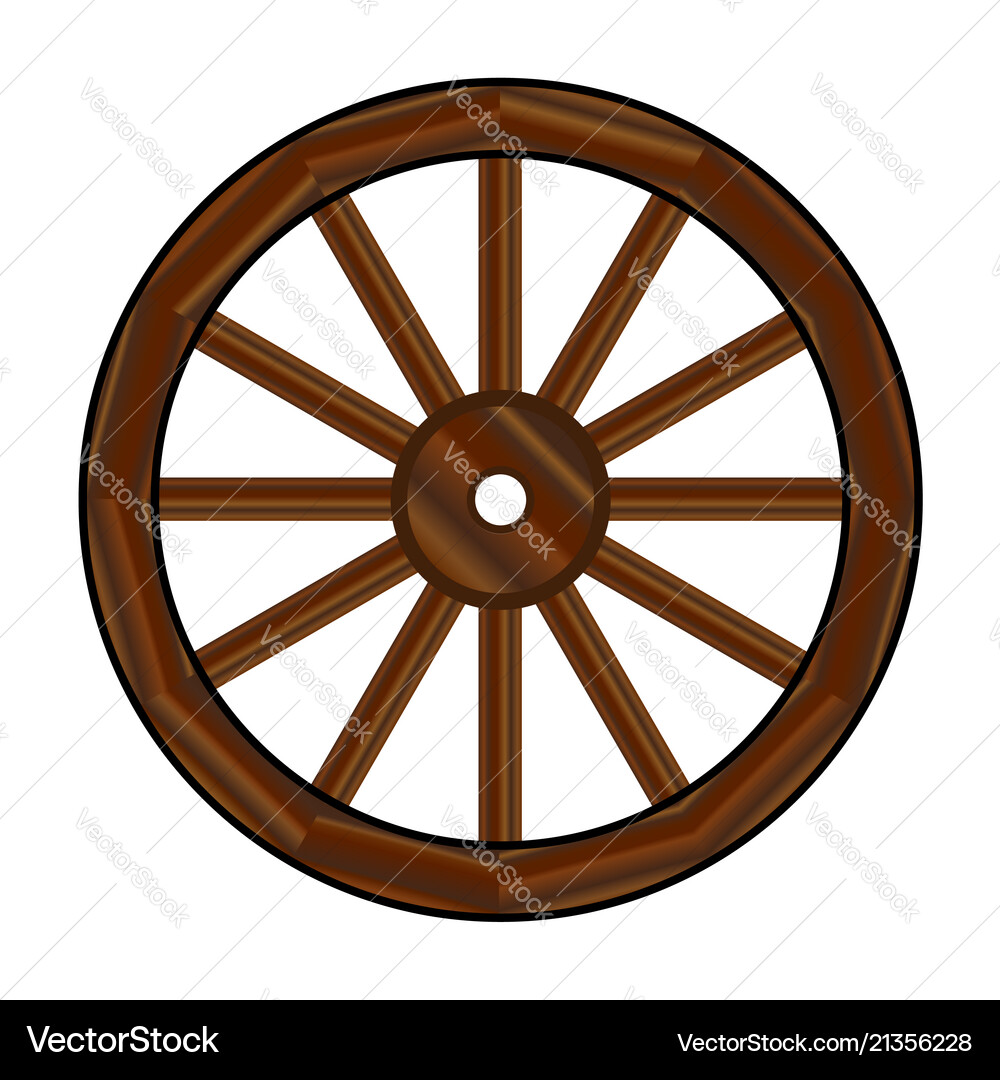
The spokes connected the hub to the rim. They spread out like rays from the center. The number and thickness of spokes affected the wheel’s strength. More spokes meant better support but added weight. The spoke layout also helped balance the wheel’s size and durability.
Rim Construction
The rim held the wheel’s shape and carried the load. It was made from wood pieces joined tightly. Metal bands, called tires, wrapped around the rim for extra strength. The rim’s width and thickness influenced the overall wheel size. Strong rims allowed larger wheels to support heavy loads.
Hub Dimensions
The hub was the wheel’s center where it turned on the axle. Its size had to fit the axle tightly. A bigger hub meant a wider wheel base and more stability. The hub’s diameter and length helped determine the wheel’s final size. It also affected how smoothly the wheel rolled.
Reasons For Large Wheel Size
Covered wagon wheels were much larger than modern wheels. Their size helped the wagons move across rough lands. Big wheels made travel easier and safer for settlers.
The large size had several important reasons. Each reason shows why big wheels were needed for long journeys.
Handling Rough Terrain
Big wheels could roll over rocks and holes better. Small wheels would get stuck or break easily. Large wheels helped wagons cross rivers and uneven ground with less trouble.
Weight Distribution
Covered wagons carried heavy loads like food and tools. Large wheels spread the weight over a bigger area. This stopped the wheels from sinking into soft dirt or mud.
Improved Mobility
Large wheels made it easier to push and pull the wagon. They kept the wagon moving smoothly on bumpy paths. This helped travelers cover more miles each day.
Variations In Wheel Size
Covered wagon wheels were not all the same size. They changed depending on many factors. These changes helped wagons carry heavy loads and travel rough roads. Understanding the variations in wheel size shows how wagons adapted to different needs.
Wheel size was important for balance and strength. Small wheels made wagons lighter but less stable. Large wheels helped cross rocks and deep mud. Each change had a purpose.
Differences By Region
Wagon wheels were different in the East and West. Eastern wagons often had smaller wheels. Roads were smoother, so big wheels were not needed. Western wagons had larger wheels to handle rocky paths and hills. These big wheels made travel easier on hard land.
Adaptations For Load Capacity
Wagons carrying heavy loads used bigger wheels. Bigger wheels spread the weight better. This stopped the wagon from sinking into soft ground. Smaller wheels were common on lighter wagons. The wheel size matched the load size carefully.
Changes Over Time
Wheel sizes changed as technology improved. Early wagons had rough, uneven wheels. Later, wheels became stronger and more uniform. Builders learned which sizes worked best for speed and durability. These changes helped wagons last longer on long journeys.
Maintenance And Repairs
Covered wagon wheels faced tough conditions on long journeys. Maintenance and repairs kept these wheels strong and reliable. Travelers needed to check wheels often to avoid serious problems. Fixing wheels quickly was vital to continue travel without delays.
Common Wheel Damage
Wheels often suffered from cracks and broken spokes. Rough roads caused wood to split or wear down. Metal parts could rust or bend. Loose parts made the wheel unstable. Damage slowed down the wagon and risked accidents.
Repair Techniques
Carpenters used wood glue and clamps to fix cracks. Broken spokes were replaced with new, strong wood. Blacksmiths shaped metal bands to fit tightly around wheels. Nails and iron strips held parts together. Regular oiling stopped metal from rusting.
Impact On Wheel Longevity
Proper repairs extended wheel life significantly. Well-maintained wheels resisted wear and weather. Quick fixes prevented small problems from growing. Strong wheels meant safer and faster travel. Maintenance saved time and resources on the trail.
Legacy Of Covered Wagon Wheels
Covered wagon wheels played a key role in early American travel. These wheels were strong and built to last. They helped pioneers move across rough lands. Their design and size influenced future vehicle wheels. The legacy of these wheels still matters today.
Many museums keep covered wagon wheels to show their history. They remind us of the tough journeys people made. These wheels also hold cultural meaning. They symbolize hard work and adventure. Understanding their legacy helps us appreciate the past.
Influence On Modern Vehicle Wheels
Covered wagon wheels inspired some parts of modern wheel design. Their wooden spokes gave strength without too much weight. This idea helped create lighter, stronger wheels later. The shape and size guided engineers in building new wheels. Modern wheels owe much to these early designs.
Preservation In Museums
Museums protect covered wagon wheels as important history artifacts. They show how people traveled long ago. Visitors can see the size and build of these wheels up close. Preservation helps teach younger generations about pioneer life. These wheels serve as a link to our past.
Cultural Significance
Covered wagon wheels are symbols of courage and exploration. They remind us of the pioneers’ hard journeys west. These wheels appear in stories, art, and celebrations. They represent strength, endurance, and hope. Their cultural value remains strong today.
Credit: www.vectorstock.com
Frequently Asked Questions
How Big Were Typical Covered Wagon Wheels?
Covered wagon wheels typically measured about 4 feet in diameter. This size helped them navigate rough terrain and deep ruts during long journeys.
Why Were Covered Wagon Wheels Made So Large?
Large wheels improved stability and helped cross obstacles like rocks and streams. Bigger wheels also reduced the chance of getting stuck.
What Materials Were Used For Covered Wagon Wheels?
Wheels were made from hardwoods like oak or hickory. Iron bands reinforced the wheels to protect them from wear and damage.
Did Wheel Size Vary By Wagon Type Or Region?
Yes, wheel size varied slightly depending on wagon use and terrain. However, most covered wagons had wheels around 4 feet for optimal performance.
Conclusion
Covered wagon wheels were large and strong to handle rough roads. Their size helped wagons carry heavy loads safely across long distances. These wheels stood about four feet tall, making travel easier for pioneers. Knowing their size shows how settlers managed tough journeys.
Big wheels made a big difference in travel and survival. Understanding this helps us appreciate old pioneer life more.


