

Wondering how many miles you should drive before changing your fuel filter? You’re not alone.
Keeping your fuel filter in good shape is key to your car’s performance and fuel efficiency. But if you wait too long, your engine might start to struggle or even get damaged. You’ll discover the signs your fuel filter needs a change, the ideal mileage for replacement, and tips to keep your vehicle running smoothly.
Keep reading to protect your engine and save money on repairs.
Fuel Filter Basics
The fuel filter plays a key role in keeping your vehicle running smoothly. It cleans the fuel before it reaches the engine. Clean fuel helps the engine work better and last longer. Knowing the basics of a fuel filter helps in maintaining your car well.
Role Of The Fuel Filter
The fuel filter catches dirt and rust from the fuel. This prevents damage to the engine parts. A clean fuel filter ensures good fuel flow. It helps the engine burn fuel efficiently. This leads to better performance and saves fuel.
Types Of Fuel Filters
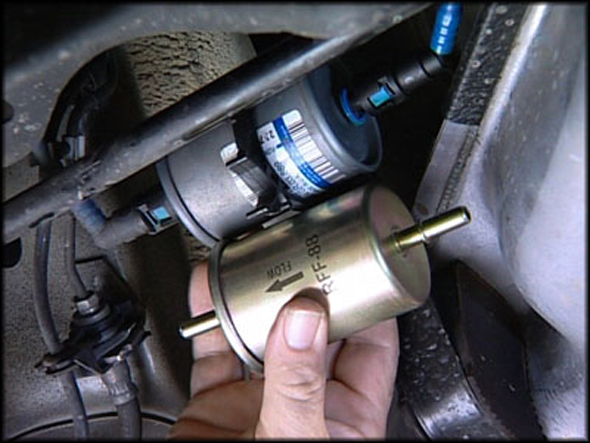
Fuel filters come in different types. Some are inside the fuel tank, called in-tank filters. Others are outside, called inline filters. Paper, mesh, and metal are common filter materials. Each type works to trap dirt and protect the engine.
Credit: germanformula.com
Signs To Replace Fuel Filter
The fuel filter plays a key role in protecting your engine. It stops dirt and rust from entering the fuel system. Over time, the filter gets clogged and needs changing. Knowing the signs helps avoid engine trouble and costly repairs.
Watch for specific symptoms that point to a bad fuel filter. These signs show your car needs attention soon.
Common Symptoms
A clogged fuel filter often causes your car to run rough. You may notice the engine sputtering or hesitating. Starting the engine might take longer than usual. The car could stall unexpectedly, especially at low speeds. Poor acceleration during driving is another warning. Sometimes, the check engine light turns on without other reasons.
Impact On Engine Performance
Fuel flow decreases with a dirty filter. The engine receives less fuel, causing it to lose power. This leads to weak acceleration and poor fuel efficiency. Rough idling and stalling become more frequent. Over time, the engine might misfire or fail to start. Regular filter changes help maintain smooth engine function.
Recommended Replacement Intervals
Knowing the right time to change your fuel filter helps keep your engine healthy. Fuel filters trap dirt and rust from the fuel. Over time, they get clogged and reduce fuel flow. Changing them at the right interval keeps your car running smoothly and saves you from costly repairs.
Manufacturer Guidelines
Car makers give clear advice on fuel filter replacement. Most suggest changing the filter every 20,000 to 40,000 miles. This range fits many cars but check your owner’s manual. Some models need changes sooner or later. Following these guidelines keeps your warranty safe and your engine protected.
Factors Influencing Replacement Frequency
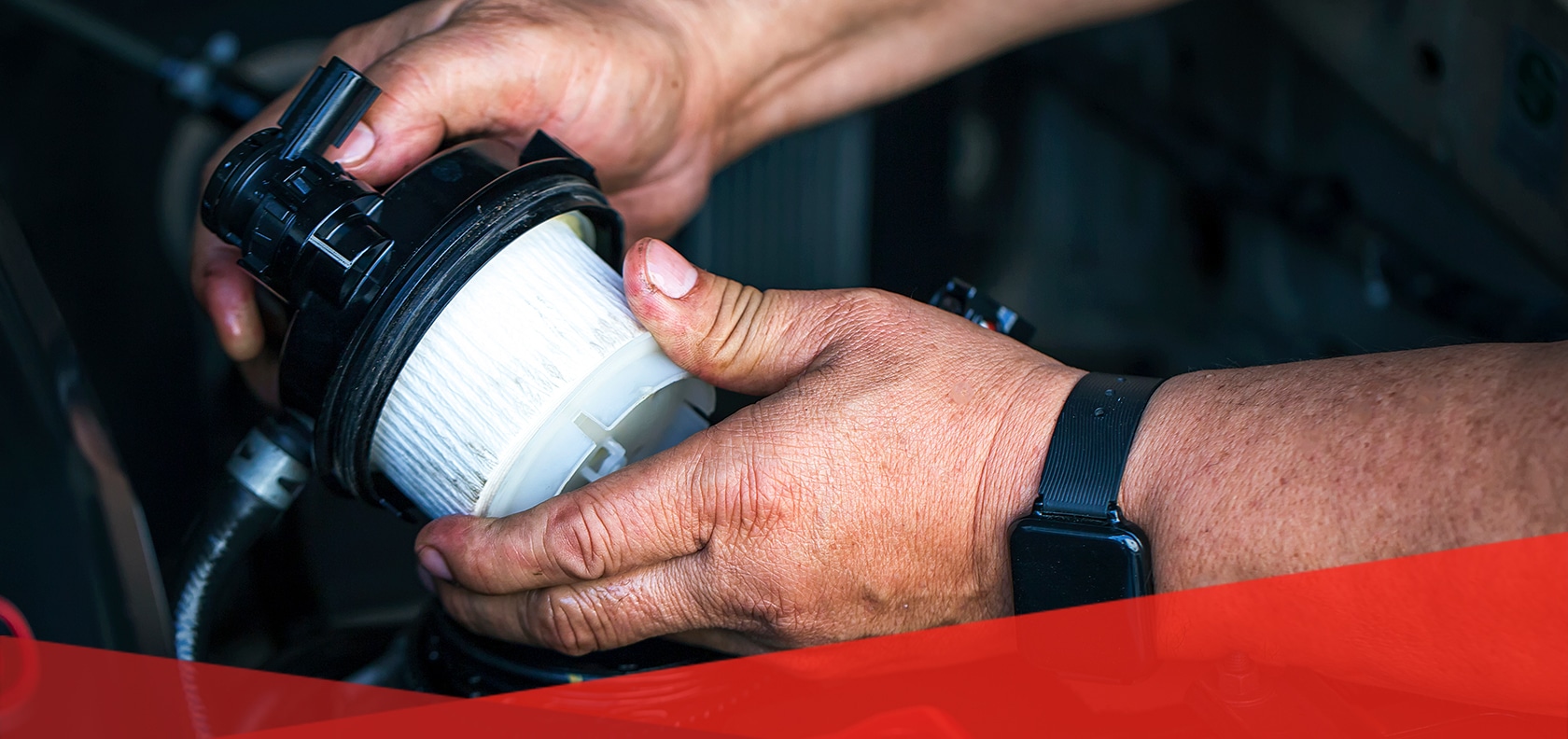
Driving habits affect how fast your fuel filter clogs. Short trips and stop-and-go traffic cause more wear. Dusty or dirty roads also fill the filter quicker. Fuel quality matters too; poor fuel clogs filters faster. In tough conditions, change the filter more often than the manual suggests.
Credit: www.mapfreinsurance.com
Diy Fuel Filter Replacement
Fuel filters usually need changing every 20,000 to 40,000 miles. Dirt and debris can clog the filter, affecting engine performance. Regular replacement helps keep your car running smoothly.
Necessary Tools
Start by gathering all the tools needed for the job. You will need a new fuel filter, a wrench set, screwdrivers, and a container to catch fuel spills. Also, keep some rags handy to clean any mess. Having these tools ready makes the process faster and safer.
Step-by-step Process
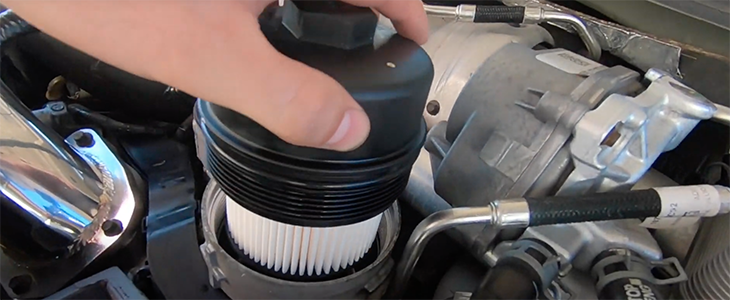
Begin by relieving the fuel system pressure. This stops fuel from spraying when you disconnect the filter. Next, locate the fuel filter in your vehicle. It is usually near the fuel tank or engine. Use the wrench to remove the bolts holding the filter in place. Carefully take out the old filter. Avoid spilling fuel by keeping the container underneath. Insert the new fuel filter in the same position. Tighten the bolts securely. Finally, check for leaks by starting the engine and inspecting around the filter.
Safety Precautions
Always work in a well-ventilated area to avoid inhaling fuel fumes. Wear safety glasses and gloves to protect your eyes and hands. Keep a fire extinguisher nearby just in case. Avoid smoking or using open flames during the task. Dispose of the old fuel filter properly to protect the environment. Take your time and do not rush to prevent mistakes.
Professional Maintenance Options
Choosing professional maintenance for your fuel filter can save time and protect your vehicle. Experts use the right tools and parts. They ensure the job is done correctly and safely. This helps maintain your engine’s health and performance. Professional service can also spot other issues early.
When To Seek Help
Fuel filters need changing after a certain mileage. If you notice rough idling or poor acceleration, get help. Strange engine noises or trouble starting also signal filter issues. Professionals can check your vehicle’s condition. They know when the filter must be replaced. Avoid waiting too long to prevent engine damage.
Cost Considerations
Fuel filter replacement costs vary by vehicle and location. Labor fees add to the price of parts. A professional service usually costs more than DIY. But it includes full inspection and warranty. Ask for a clear estimate before service. Consider the long-term savings from proper maintenance. Avoid cheap fixes that might cause bigger problems.
Credit: ecogard.com
Fuel Filter And Fuel Efficiency
The fuel filter plays a key role in keeping your engine clean. It stops dirt and debris from entering the fuel system. A clean fuel filter helps your car use fuel better. This means your engine runs smoothly and saves fuel. Changing the fuel filter at the right time keeps your car efficient.
Effects Of A Clogged Filter
A clogged fuel filter blocks fuel flow to the engine. This makes the engine work harder. Your car may lose power and feel slow. Fuel burns less efficiently, wasting gas. The engine can sputter or stall. Poor fuel flow can cause rough idling and hard starts. These problems lower your car’s fuel efficiency.
Long-term Benefits Of Timely Replacement
Replacing the fuel filter on time keeps fuel flowing well. It protects the engine from damage caused by dirt. Your car runs smoother and uses less fuel. Timely changes reduce engine wear and tear. This helps avoid costly repairs later. A clean fuel filter supports better mileage and saves money on fuel.
Frequently Asked Questions
How Often Should I Change My Fuel Filter?
Most experts recommend changing your fuel filter every 20,000 to 30,000 miles. This helps maintain engine performance and fuel efficiency. Check your vehicle’s manual for specific intervals, as they can vary by make and model. Regular changes prevent clogging and fuel flow issues.
What Happens If I Don’t Change The Fuel Filter?
A dirty fuel filter can cause poor engine performance, stalling, and reduced fuel efficiency. It may also damage fuel injectors over time. Replacing the filter on schedule prevents costly repairs and keeps your engine running smoothly.
Can I Change The Fuel Filter Myself?
Yes, you can change the fuel filter yourself if you have basic mechanical skills and tools. Always relieve fuel system pressure first and follow your vehicle’s instructions carefully. If unsure, consult a professional to avoid safety risks.
Does Driving Conditions Affect Fuel Filter Change Frequency?
Yes, driving in dusty or dirty environments may require more frequent fuel filter changes. Severe conditions cause faster clogging. Regular inspection is important if you often drive off-road or in heavy traffic.
Conclusion
Changing your fuel filter keeps your engine running smoothly. Most cars need a change every 20,000 to 40,000 miles. Dirt and debris can clog the filter and reduce fuel flow. A clean filter helps save fuel and prevents damage. Check your owner’s manual for exact mileage.
Don’t wait for problems to start. Regular maintenance saves money and stress. Simple steps can protect your car’s performance and lifespan. Keep an eye on your fuel filter and drive with confidence.


