

Have you noticed your car acting up lately? Maybe it’s slower to start, or the engine feels weaker than usual.
These could be signs that your fuel filter is bad. But how can you tell for sure? Knowing the warning signs can save you from costly repairs and keep your vehicle running smoothly. You’ll discover the simple ways to spot a failing fuel filter before it causes bigger problems.
Keep reading to protect your car and your wallet.
Credit: www.capitalone.com
Fuel Filter Basics
The fuel filter plays a small but crucial role in your vehicle’s engine. It cleans the fuel before it reaches the engine, removing dirt and rust particles. This helps keep the engine parts safe and running smoothly. A dirty or clogged fuel filter can cause many engine problems. Knowing the basics about fuel filters helps you spot trouble early.
Role In Engine Performance
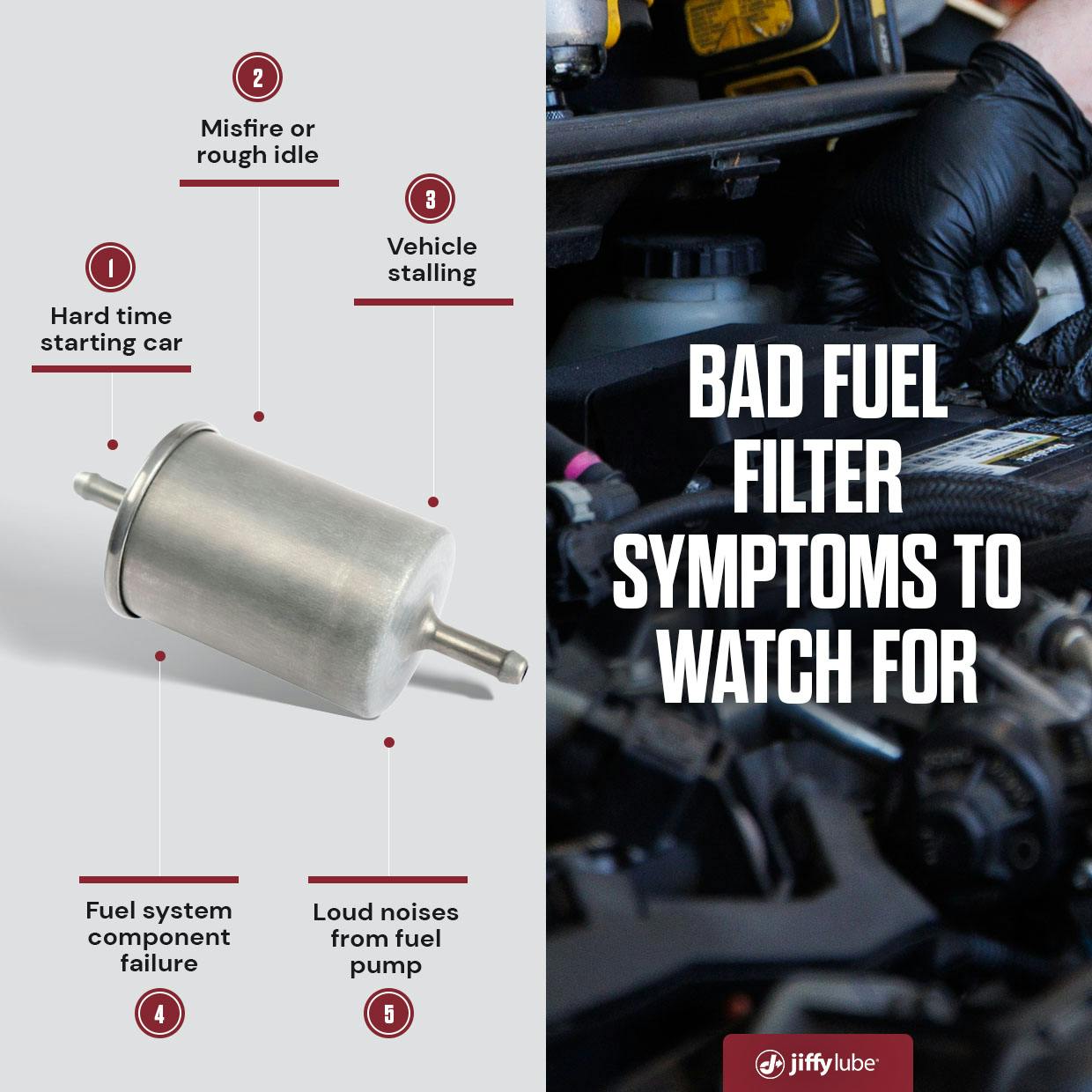
The fuel filter stops dirt and debris from entering the engine. Clean fuel means better engine performance and longer engine life. A blocked filter reduces fuel flow, causing poor engine power. It can make your car stall or hesitate during acceleration. The engine may also run rough or misfire if the fuel filter is bad.
Common Fuel Filter Types
Fuel filters come in different shapes and sizes. Some are inside the fuel tank, called in-tank filters. Others are mounted along the fuel line, called inline filters. Paper filters are the most common type and easy to replace. Metal filters last longer but cost more. Knowing the type helps with proper maintenance and replacement.

Credit: www.youtube.com
Signs Of A Clogged Fuel Filter
A clogged fuel filter stops fuel from flowing properly to the engine. This affects how the car runs and may cause several problems. Knowing the signs helps you avoid bigger issues and costly repairs. Below are some common signs of a clogged fuel filter.
Engine Misfires Or Hesitation
The engine may misfire or hesitate during acceleration. This happens because the engine does not get enough fuel. A clogged fuel filter restricts fuel flow, causing the engine to struggle. You might feel a sudden jerk or pause while driving.
Difficulty Starting The Vehicle
The car takes longer to start or fails to start at all. Fuel must reach the engine quickly for a smooth start. A blocked fuel filter slows this process down. This issue is especially common after the vehicle sits unused for a while.
Reduced Fuel Efficiency
You may notice that the car uses more fuel than usual. Poor fuel flow makes the engine work harder, wasting fuel. This leads to lower miles per gallon and higher fuel costs. A clogged fuel filter can make your trips more expensive.
Symptoms Of Fuel Flow Issues
Fuel flow issues can cause serious problems in your vehicle. These problems often show up through clear symptoms. Recognizing these signs early helps prevent engine damage. Pay close attention to how your engine behaves. The following symptoms reveal possible fuel filter problems.
Engine Stalling At Idle
Your engine may suddenly stop when idling. This happens because fuel flow is not steady. A clogged fuel filter blocks fuel from reaching the engine. Without enough fuel, the engine cannot keep running at low speeds. Frequent stalling is a strong indicator of fuel flow trouble.
Loss Of Power Under Load
You might feel your car losing power during acceleration. This occurs when the engine does not get enough fuel. The fuel filter may be dirty or blocked. This limits fuel supply, causing weak engine performance. Noticeable loss of power, especially uphill or with heavy loads, signals fuel flow problems.
Unusual Engine Noises
The engine may make strange sounds during operation. These noises can be sputtering or knocking. They often happen due to inconsistent fuel delivery. A bad fuel filter disrupts fuel flow, causing the engine to struggle. Pay attention if your engine sounds different than usual.
Visual And Physical Checks
Visual and physical checks help spot fuel filter problems early. These checks are simple and do not need special tools. They let you see signs of damage or dirt. Catching issues early prevents engine trouble and saves money.
Inspecting The Fuel Filter
Start by finding the fuel filter under the hood or near the fuel tank. Check its body for cracks or dents. A damaged filter may leak fuel or let dirt pass through. Look for dirt or rust on the filter’s surface. A dark, clogged filter needs replacement. Some filters are clear, making it easy to see dirt inside.
Checking For Fuel Leaks
Fuel leaks around the filter show it might be bad. Look for wet spots or fuel smells near the filter. Small leaks can cause big problems if ignored. Check the fuel lines connected to the filter for cracks or loose clamps. Tighten any loose parts carefully. Leaks mean the filter or connections need fixing or replacing.
When To Replace The Fuel Filter
Knowing when to replace the fuel filter helps keep your vehicle running smoothly. A bad fuel filter can cause engine problems and reduce fuel efficiency. Replacing it on time prevents costly repairs and keeps your car in good shape.
Manufacturer Recommendations
Car makers often suggest changing the fuel filter every 20,000 to 40,000 miles. Check your owner’s manual for the exact schedule. Different cars need different care. Sticking to these guidelines helps avoid fuel system issues.
Signs It’s Time For A Change
Look for slow engine start or poor acceleration. Rough idling or engine stalls also hint at a clogged fuel filter. A drop in fuel efficiency can be a warning. Strange noises from the fuel pump may appear too. These signs show the filter blocks fuel flow and needs replacement soon.
Credit: www.jiffylube.com
Preventive Maintenance Tips
Preventive maintenance keeps your fuel filter working well. It stops dirt and debris from blocking fuel flow. This helps your engine run smoothly. Simple care steps extend the life of your fuel filter. They also avoid costly repairs later.
Regular Service Intervals
Check your vehicle’s manual for fuel filter service times. Changing the filter on schedule prevents clogs. A clean filter improves fuel flow and engine power. Skipping service can cause poor engine performance. Regular checks keep your car reliable and efficient.
Using Quality Fuel
Fuel quality affects filter health. Low-quality fuel may contain dirt and water. These impurities clog the fuel filter faster. Choose fuel from trusted stations only. Clean fuel helps the filter last longer. It also keeps the engine cleaner and safer.
Frequently Asked Questions
How Do I Know If My Fuel Filter Is Clogged?
A clogged fuel filter reduces fuel flow, causing engine hesitation or stalling. Check for poor acceleration or difficulty starting. Regular filter replacement prevents these issues and maintains engine performance.
What Are Common Symptoms Of A Bad Fuel Filter?
Symptoms include engine misfires, reduced power, rough idling, and poor fuel economy. A bad filter restricts fuel, affecting the engine’s efficiency and causing noticeable drivability problems.
How Often Should I Replace The Fuel Filter?
Typically, replace your fuel filter every 20,000 to 40,000 miles. Check your vehicle’s manual for exact intervals. Regular changes ensure smooth fuel flow and prevent engine damage.
Can A Bad Fuel Filter Cause Engine Misfires?
Yes, a dirty or clogged fuel filter limits fuel supply, causing engine misfires. This leads to rough running and decreased performance. Prompt replacement resolves the issue.
Conclusion
A bad fuel filter can cause many car problems. You might notice slow acceleration or engine misfires. Strange noises or poor fuel efficiency also signal trouble. Catching these signs early helps avoid costly repairs. Regular check-ups keep your car running smooth.
Don’t ignore warning signs your vehicle shows. Keep your fuel filter clean for better engine health. Taking simple steps now saves time and money later. Stay alert and care for your car well.


