

You might not think about your fuel filter often, but it plays a crucial role in keeping your engine running smoothly. If your fuel filter gets clogged, your car can lose power, stall, or even suffer serious damage.
So, how often should you change your fuel filter to avoid these problems? You’ll discover the simple signs to watch for and the best schedule to keep your fuel filter in top shape. Keep reading to protect your engine and save money on costly repairs.
Role Of A Fuel Filter
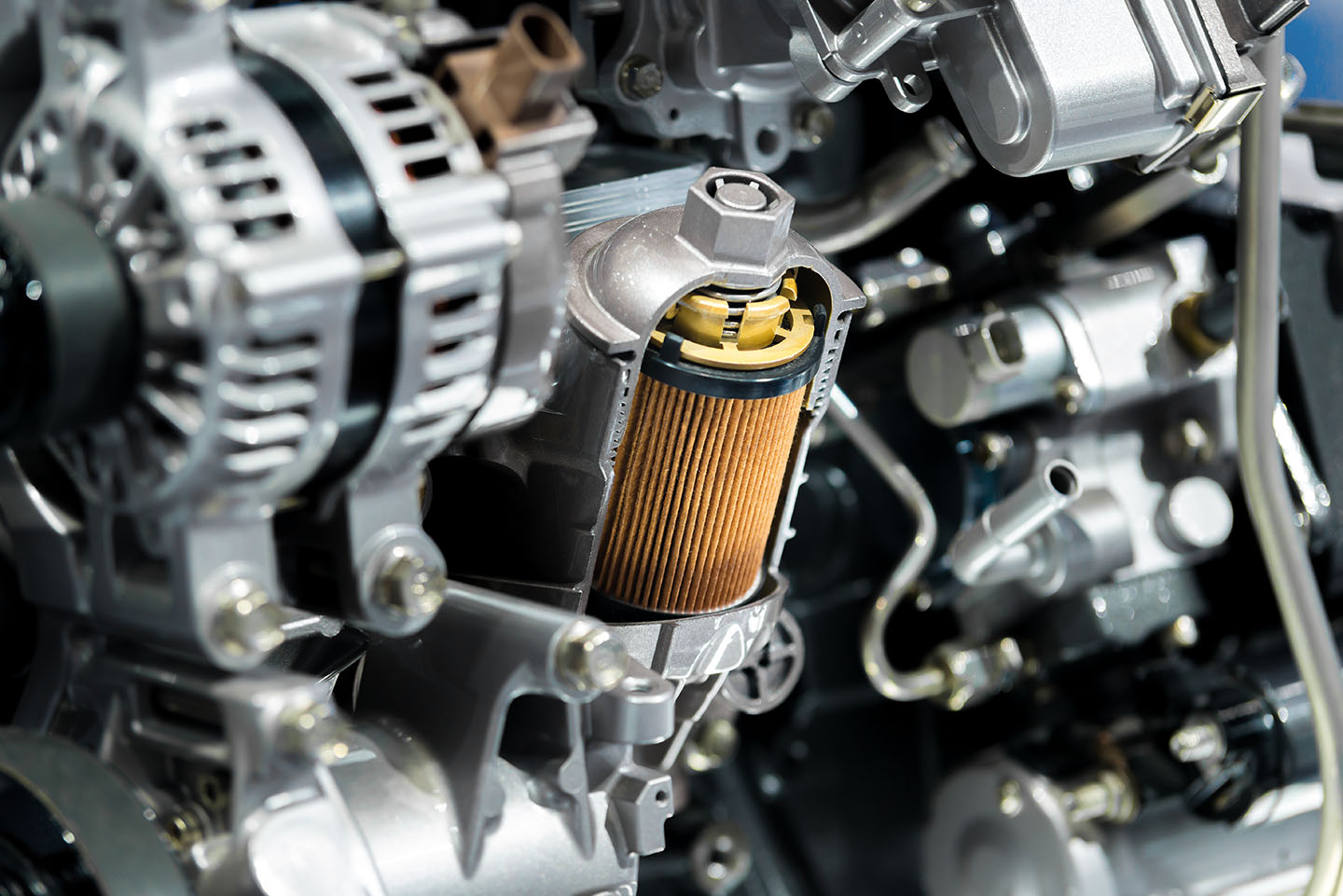
The fuel filter plays a key role in keeping your car’s engine healthy. It cleans the fuel before it reaches the engine. Dirt, rust, and other particles get trapped in the filter. This stops harmful debris from damaging engine parts.
Without a fuel filter, impurities can clog fuel injectors and cause engine problems. The filter helps maintain smooth fuel flow. It supports better engine performance and longer engine life.
Purpose In Fuel System
The fuel filter removes dirt and debris from the fuel. It protects the fuel pump and injectors from damage. Clean fuel improves combustion and efficiency. The filter acts as a barrier to harmful particles. It keeps the fuel system clean and running well.
Impact On Engine Performance
A clean fuel filter helps the engine run smoothly. It ensures steady fuel flow and proper combustion. A clogged filter reduces fuel flow, causing poor engine power. It can lead to engine misfires or stalling. Changing the filter regularly keeps the engine strong and reliable.
Credit: bostechauto.com
Signs Of A Clogged Fuel Filter
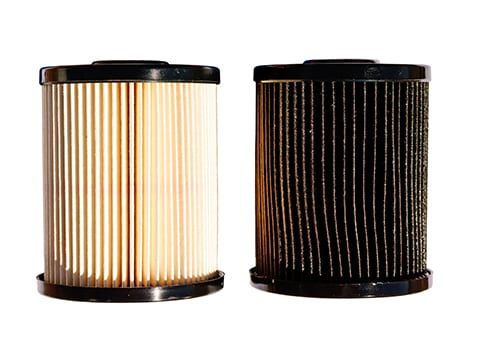
A clogged fuel filter can cause many problems in your vehicle’s performance. It blocks the flow of fuel to the engine. This leads to poor engine function and possible damage. Recognizing the signs early helps you avoid costly repairs. Watch for these common symptoms.
Engine Misfires And Stalling
The engine may misfire or stall due to fuel blockage. A clogged filter reduces fuel supply to the engine. This causes irregular engine operation and sudden stops. You might notice the engine hesitating or jerking while driving.
Reduced Fuel Efficiency
A dirty fuel filter makes the engine work harder. It uses more fuel to maintain power. This lowers your car’s fuel efficiency. Expect to visit the gas station more often than usual.
Difficulty Starting The Engine
Fuel struggles to reach the engine if the filter is blocked. This can make starting the car slow or difficult. Sometimes, the engine may not start at all. This is a clear sign the fuel filter needs checking.
Recommended Replacement Intervals
Knowing the right time to change your fuel filter helps keep your engine healthy. Replacing the filter at proper intervals prevents dirt and debris from clogging your fuel system. This protects the engine and keeps your vehicle running smoothly. Different cars need different replacement times. Understanding these intervals saves money and avoids costly repairs.
Manufacturer Guidelines
Car makers give specific advice on how often to change the fuel filter. This information is in the owner’s manual. Most recommend changing the filter every 20,000 to 40,000 miles. Some newer models have filters that last longer. Following these guidelines keeps your warranty valid and ensures best performance.
Factors Influencing Replacement Frequency
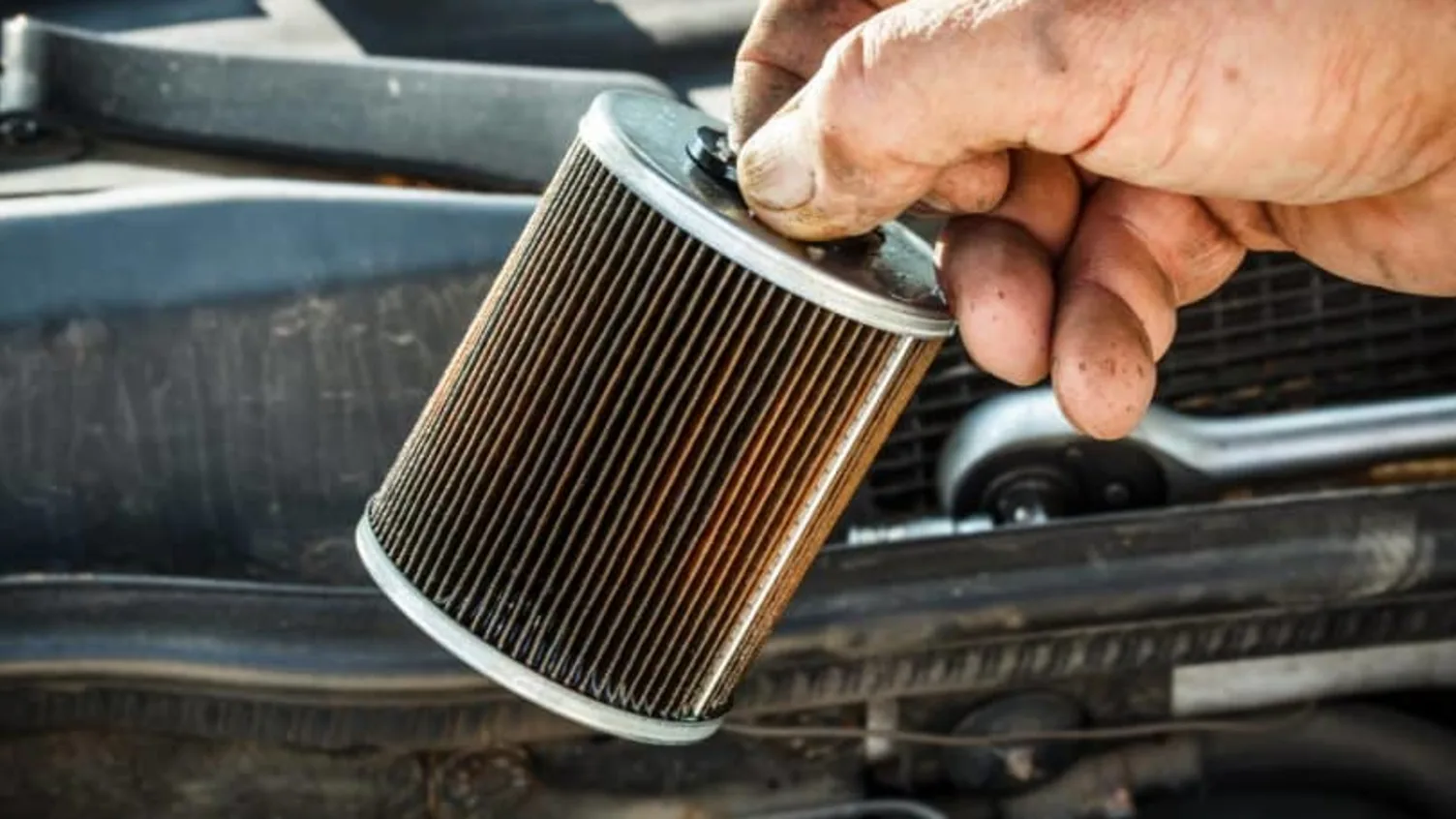
Driving conditions affect how quickly the fuel filter wears out. Dusty roads or heavy traffic can clog the filter faster. Using low-quality fuel also causes dirt buildup. Older vehicles may need more frequent changes. Regular checks help spot problems early. Adjust the replacement time based on these factors to avoid engine trouble.
Credit: www.bigboxcars.com.au
Choosing The Right Fuel Filter
Choosing the right fuel filter is important for your vehicle’s health. A good fuel filter keeps dirt and debris out of the engine. This helps the engine run smoothly and last longer.
Fuel filters come in different types and sizes. Picking the right one depends on your car and how you drive. Using the wrong filter can cause problems and reduce fuel efficiency.
Types Of Fuel Filters
There are mainly two types of fuel filters: inline and cartridge. Inline filters sit on the fuel line and can be replaced easily. Cartridge filters fit inside a housing and need tools to change.
Some filters use paper, others use mesh or foam to catch dirt. Paper filters are common and affordable. Mesh filters are reusable but need cleaning. Foam filters work well in tough conditions.
Compatibility With Vehicle Models
Each vehicle needs a fuel filter that fits its engine and fuel system. Check the owner’s manual for the correct filter type and size. Using a wrong filter may cause leaks or poor engine performance.
Some cars need special filters for diesel or high-performance engines. Make sure the filter matches your vehicle’s make and model. This ensures proper fuel flow and engine protection.
Steps To Replace A Fuel Filter
Replacing a fuel filter is a key part of car maintenance. It helps keep the engine clean and running smoothly. The process is simple if you follow the right steps. This guide breaks down the tools, safety tips, and step-by-step instructions.
Tools Needed
- New fuel filter
- Wrenches or socket set
- Screwdrivers
- Fuel line disconnect tool (if needed)
- Container to catch fuel drips
- Rags or paper towels
- Safety glasses
- Gloves
Safety Precautions
Work in a well-ventilated area. Gas fumes can be harmful. Avoid open flames and sparks. Wear safety glasses and gloves. Release fuel system pressure before starting. Keep a fire extinguisher nearby. Dispose of old fuel and filter safely.
Detailed Replacement Process
Start by locating the fuel filter. It is often under the car or near the engine. Use wrenches or the disconnect tool to remove the fuel lines. Catch any fuel that leaks out in a container. Remove the old filter carefully. Install the new filter in the same direction as the old one. Reattach the fuel lines securely. Check for leaks by turning on the ignition without starting the engine. Clean up any spilled fuel. Dispose of the old filter and rags properly. Your fuel system is now clean and ready.
Credit: www.waynesautocenter.com
Consequences Of Neglecting Fuel Filter Changes
Neglecting to change your fuel filter can lead to serious problems. The fuel filter keeps dirt and debris from entering the engine. Over time, it clogs and stops working well. This causes fuel flow issues and damages the engine. Understanding these consequences helps you avoid costly repairs and poor vehicle performance.
Engine Damage Risks
A clogged fuel filter reduces fuel flow to the engine. The engine may sputter or stall. It can also cause rough idling and loss of power. Dirt and debris may enter the engine, causing wear. This leads to expensive engine damage and a shorter engine life.
Increased Emissions
A dirty fuel filter affects combustion efficiency. The engine burns fuel less cleanly. This raises harmful emissions from your vehicle. Poor emissions can fail inspections and harm the environment. Changing the fuel filter keeps emissions low and the engine running clean.
Costly Repairs
Ignoring fuel filter changes can cause bigger car problems. A clogged filter puts strain on the fuel pump. This may cause the pump to fail. Engine damage from bad fuel flow can be expensive to fix. Regular filter changes save money by preventing these repairs.
Tips For Maintaining Fuel System Health
Keeping your fuel system in good shape helps your vehicle run smoothly. Clean fuel and regular care stop clogs and damage. This saves money on repairs and improves gas mileage. Follow simple tips to protect your fuel system and extend its life.
Focus on using clean fuel and sticking to a maintenance routine. These habits keep your fuel filter and engine parts working well. Avoid skipping these steps to prevent costly problems down the road.
Using Quality Fuel
Choose fuel from trusted stations only. Poor quality fuel can clog your filter quickly. It may contain dirt or water that harms your engine. High-quality fuel burns cleaner and protects fuel system parts. Avoid cheap fuel that risks damage and reduces performance.
Regular Maintenance Schedule
Follow your vehicle’s recommended maintenance plan. Change the fuel filter as advised in the owner’s manual. Regular checks catch small problems before they grow. Keeping up with maintenance avoids breakdowns and costly fixes. Mark your calendar to stay on track with fuel system care.
Frequently Asked Questions
How Often Should I Replace My Fuel Filter?
Fuel filters should be replaced every 20,000 to 40,000 miles. Check your vehicle’s manual for exact intervals. Regular replacement prevents clogs and maintains engine performance. Ignoring it can cause poor fuel flow and damage.
What Are Signs Of A Clogged Fuel Filter?
Common signs include engine misfires, stalling, and poor acceleration. You may also notice difficulty starting the car or unusual engine noises. These symptoms indicate reduced fuel flow due to a dirty fuel filter.
Can A Dirty Fuel Filter Damage My Engine?
Yes, a dirty fuel filter can restrict fuel flow and cause engine damage. It may lead to poor combustion and reduced performance. Replacing the filter promptly helps protect your engine and improves fuel efficiency.
Is It Possible To Clean A Fuel Filter Instead Of Replacing It?
Most fuel filters are not designed for cleaning and should be replaced. Cleaning may not remove all contaminants and can damage the filter. Replacement ensures proper fuel flow and engine protection.
Conclusion
Changing your fuel filter regularly keeps your engine running smooth. Dirty filters block fuel flow and reduce power. Most cars need a new filter every 20,000 to 40,000 miles. Check your owner’s manual for exact advice. Pay attention to signs like rough idling or poor acceleration.
Clean fuel means better performance and fewer repairs. Keep your vehicle healthy by sticking to a filter schedule. It saves money and avoids bigger problems down the road. Simple steps protect your car’s engine and fuel system. Stay safe and enjoy a smoother ride.

