

Is your vehicle struggling to run smoothly? A clogged fuel filter might be the hidden culprit slowing you down.
You might think cleaning a fuel filter is complicated or best left to professionals, but it’s easier than you expect—and it can save you time and money. You’ll discover simple steps to clean your fuel filter effectively. Keep reading, and you’ll learn how to boost your engine’s performance and avoid costly repairs by taking control of your fuel filter maintenance.
Signs Of A Dirty Fuel Filter
A fuel filter keeps dirt and debris from reaching the engine. Over time, it can get clogged. A dirty fuel filter causes issues that affect your vehicle’s performance. Knowing the signs helps you act early and avoid costly repairs.
Common Symptoms
One common symptom is a rough engine start or no start at all. The engine may hesitate or stall while driving. You might notice poor acceleration or slower response. Strange noises from the engine, like sputtering, can also appear. These signs often mean the fuel filter is dirty and blocking fuel flow.
Impact On Engine Performance
A clogged fuel filter reduces fuel supply to the engine. This causes the engine to run unevenly or lose power. Fuel efficiency drops, leading to higher fuel consumption. The engine might misfire or run roughly at idle. Over time, this can damage engine parts and increase repair costs.

Credit: www.youtube.com
Tools And Materials Needed
Cleaning a fuel filter requires the right tools and materials. These help you do the job safely and well. Having everything ready saves time and prevents mistakes.
Use tools that fit your vehicle and the filter type. Choose cleaning supplies that remove dirt without damage. Prepare a clean workspace before starting.
Essential Tools
- Wrench set for removing the filter
- Screwdrivers for clamps and covers
- Container to catch fuel spills
- Safety gloves to protect your hands
- Eye protection to prevent splashes
- Rags or paper towels for cleanup
Recommended Cleaning Supplies
- Carburetor or fuel system cleaner spray
- Compressed air canister to blow out debris
- Soft brush for scrubbing dirt gently
- New fuel filter gasket or seal
- Clean fuel for rinsing parts
Safety Precautions
Cleaning a fuel filter involves working with flammable liquids and delicate parts. Safety comes first. Taking the right precautions keeps you safe and prevents accidents. Follow these simple rules to protect yourself and your workspace.
Protective Gear
Wear gloves to protect your hands from fuel and dirt. Use safety glasses to guard your eyes from splashes. Long sleeves help shield your skin from contact. Closed-toe shoes prevent injuries from dropped tools or fuel spills. Always prepare with the right gear before starting the job.
Handling Fuel Safely
Fuel is highly flammable and toxic. Work in a well-ventilated area to avoid fumes. Keep fuel away from open flames and sparks. Use a container designed for fuel to catch any spills. Clean up spills immediately to prevent slips or fire hazards. Store fuel in a cool, dry place after use.
Locating The Fuel Filter
Finding the fuel filter is the first step in cleaning it. The fuel filter stops dirt and rust from entering the engine. Knowing where it sits helps you clean or change it fast. Fuel filters vary by car type and model. Sometimes, the filter is easy to reach. Other times, it hides deep in the engine or under the car.
Typical Fuel Filter Locations
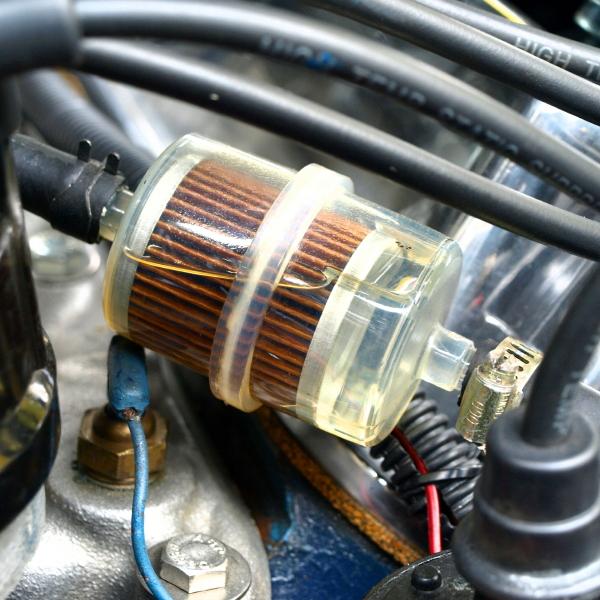
Most fuel filters sit along the fuel line. Often, they appear near the fuel tank or engine. Some cars have the fuel filter inside the fuel tank. Others place it under the car near the fuel pump. In older cars, the filter might be near the engine bay. Trucks and bigger vehicles often have larger, visible filters. Spotting the filter needs a close look around the fuel system.
Checking Your Vehicle Manual
The vehicle manual is a key resource. It shows the exact spot of the fuel filter. Manuals include pictures or diagrams for easy finding. They also explain how to remove the filter safely. Checking the manual saves time and avoids mistakes. Every car model has different parts and layouts. The manual ensures you work correctly and safely.
Removing The Fuel Filter
Removing the fuel filter is a key step in cleaning it properly. The fuel filter traps dirt and rust from fuel. Over time, it gets clogged and needs cleaning or replacement. Careful removal helps avoid damage and spills. Follow these simple steps to disconnect the fuel lines and keep the process clean.
Steps To Disconnect Fuel Lines
First, turn off the engine and let it cool down. Locate the fuel filter under the hood or near the fuel tank. Use a wrench or pliers to loosen the clamps on the fuel lines. Gently pull the fuel lines off the filter. Take care not to stretch or break the hoses. Remove any mounting bolts holding the filter in place. Keep the fuel filter upright to prevent fuel leaks.
Tips For Avoiding Spills
Place a container or rag below the filter to catch any dripping fuel. Wear safety gloves to protect your hands. Work slowly and carefully to avoid sudden fuel sprays. Have a fire extinguisher nearby for safety. Dispose of any spilled fuel properly. Avoid smoking or open flames near the work area.

Credit: www.youtube.com
Cleaning The Fuel Filter
Cleaning the fuel filter is important for your vehicle’s health. It helps keep the engine running smoothly. Dirt and debris can block the filter. This makes the engine work harder. A clean fuel filter improves fuel flow and engine power. It also prevents damage to fuel injectors and other parts.
Methods For Cleaning
Start by locating the fuel filter in your car. Always wear gloves and safety glasses. Use a wrench to remove the filter carefully. Some fuel may spill, so have a container ready. Clean the filter by rinsing it with a solvent. Use a soft brush to remove stubborn dirt. Let the filter dry completely before reinstalling it. Some filters cannot be cleaned, only replaced. Check your vehicle’s manual to be sure.
When To Replace Instead
Replace the fuel filter if it looks damaged or very dirty. A clogged filter reduces engine performance. If cleaning does not improve fuel flow, replace the filter. Follow the car maker’s recommended replacement schedule. Old filters may cause poor fuel economy or engine stalling. A new filter protects the engine and fuel system. Regular replacement is a simple way to avoid costly repairs.
Reinstalling The Fuel Filter
Reinstalling the fuel filter is a key step after cleaning it. This process ensures your vehicle runs smoothly and safely. Taking care during reattachment prevents fuel leaks and engine problems. Follow each step carefully to protect your fuel system.
Proper Reattachment
Place the fuel filter in its original position. Match the flow direction arrow on the filter with the fuel line. Push the filter firmly into the fuel lines. Tighten any clamps or connectors without overdoing it. Loose fittings cause leaks, too tight can damage parts. Use a clean cloth to wipe any dirt away before reattachment.
Ensuring No Leaks
After securing the filter, check for leaks by turning on the ignition. Do not start the engine yet. Look closely around the filter for any drips or wet spots. Tighten fittings if you spot any leaks. Repeat the check until no leaks appear. This step keeps your vehicle safe and fuel system sealed.
Testing After Cleaning
Testing the fuel filter after cleaning is key to ensure it works well. This step confirms the filter is clear and fuel flows smoothly. It helps avoid engine problems and keeps your vehicle running fine.
Starting The Engine
Turn the ignition key to start the engine. Listen for any unusual sounds or delays. A smooth start shows the fuel filter is clean. If the engine struggles, there might be leftover dirt or another issue.
Checking For Improved Performance
Drive the vehicle gently at first. Notice if the engine runs smoother than before. Check for better acceleration and less hesitation. Improved performance means the fuel filter cleaning worked. If not, consider inspecting other parts of the fuel system.
Maintenance Tips For Longevity
Keeping your fuel filter clean is key to your engine’s health. Simple steps can extend its life. Follow these maintenance tips to avoid costly repairs. A well-maintained fuel filter ensures smooth engine performance. It also saves fuel and reduces emissions.
Regular care helps catch problems early. It prevents dirt and debris from blocking fuel flow. This keeps your vehicle running strong and efficient.
Regular Inspection Schedule
Check your fuel filter every 10,000 to 15,000 miles. Look for signs of dirt buildup or damage. Replace the filter if it looks clogged or worn. Keep a log of inspection dates for better tracking. Frequent checks help avoid sudden breakdowns.
Fuel Quality Recommendations
Use clean and high-quality fuel only. Avoid filling up at unreliable stations. Contaminated fuel clogs filters faster. Add fuel additives that clean the system if needed. Clean fuel keeps the filter and engine in good shape.
Credit: motor.onehowto.com
Frequently Asked Questions
How Often Should You Clean A Fuel Filter?
You should clean your fuel filter every 20,000 to 30,000 miles. Regular cleaning prevents clogs and improves engine performance. Check your vehicle’s manual for specific recommendations. Frequent maintenance ensures fuel efficiency and prolongs engine life.
What Tools Are Needed To Clean A Fuel Filter?
Common tools include wrenches, screwdrivers, a container for fuel, and safety gloves. You may also need a replacement gasket or fuel filter. Having the right tools ensures a safe and effective cleaning process.
Can You Clean All Types Of Fuel Filters?
Not all fuel filters are cleanable. Some are disposable and must be replaced. Check your vehicle’s manual to confirm if your filter can be cleaned or needs replacement.
How Do You Safely Remove A Fuel Filter?
First, relieve fuel system pressure and disconnect the battery. Use proper tools to loosen clamps or bolts. Wear safety gloves and work in a ventilated area. Proper removal prevents fuel spills and injury.
Conclusion
Cleaning a fuel filter helps keep your engine running smoothly. Dirt and debris can block fuel flow and cause problems. Regular cleaning saves money by preventing costly repairs. Use the right tools and follow safety steps carefully. Remember to clean the filter gently to avoid damage.
A clean fuel filter improves fuel efficiency and engine life. Taking time to maintain this part is worth the effort. Keep your vehicle healthy and enjoy a better drive. Simple steps can make a big difference in car care.

