
Have you noticed your car struggling to start or feeling less powerful on the road? It might be your fuel filter acting up.
A dirty fuel filter can quietly disrupt your vehicle’s performance, but spotting the signs early can save you time and money. You’ll learn simple ways to tell if your fuel filter is dirty and what you can do about it.
Keep reading to protect your engine and keep your ride running smoothly.
Credit: www.doityourself.com
Role Of The Fuel Filter
The fuel filter plays a key role in your vehicle’s engine health. It cleans the fuel before it reaches the engine. Removing dirt, rust, and other particles keeps the fuel pure. Clean fuel helps the engine run smoothly and efficiently.
A dirty or clogged fuel filter can cause many problems. It restricts fuel flow to the engine. This can lead to poor engine performance and even damage. Knowing the role of the fuel filter helps you understand why maintenance is important.
Filtering Out Contaminants
The fuel filter traps dirt and debris in the fuel. This stops harmful particles from entering the engine. Clean fuel prevents engine wear and tear. It also improves fuel efficiency and engine power.
Protecting The Fuel System
The fuel filter protects fuel injectors and pumps. These parts are costly to repair or replace. A clean filter prevents clogs and damage. It keeps the fuel system working properly for longer.
Maintaining Engine Performance
A clean fuel filter ensures steady fuel flow. It helps the engine start easily and run smoothly. A dirty filter can cause hesitation, stalling, or rough idling. Regular filter checks keep the engine in good condition.

Credit: www.youtube.com
Common Causes Of Fuel Filter Clogging
Fuel filters keep dirt and debris from reaching the engine. Over time, these particles build up and block the filter. This causes poor engine performance and other problems.
Understanding what clogs a fuel filter helps maintain your vehicle better. Dirt, rust, and bad fuel are the main causes. Knowing these can help you spot issues early.
Rust And Corrosion In The Fuel Tank
Metal fuel tanks can rust inside. Rust flakes break off and enter the fuel system. These flakes block the fuel filter quickly. Regular checks of the fuel tank help avoid this problem.
Using Low-quality Or Contaminated Fuel
Cheap or dirty fuel often contains impurities. These impurities clog the fuel filter fast. Always use clean, high-quality fuel to protect the filter. Fuel stations with good reputations are safer choices.
Old Fuel Left In The Tank
Fuel can degrade over time. Old fuel forms sludge and deposits. This sludge blocks the fuel filter and fuel lines. Draining old fuel before long storage can prevent clogging.
Debris From Fuel Pump Or Lines
Fuel pumps and lines can wear out or break down. Small particles from these parts mix with fuel. These particles get caught in the fuel filter. Regular maintenance of fuel system parts is crucial.
Warning Signs Of A Dirty Fuel Filter
A dirty fuel filter can cause many problems in your vehicle. It blocks the flow of fuel to the engine. This leads to poor engine performance and other issues. Knowing the warning signs helps you fix the problem early. It saves you from costly repairs and keeps your car running smoothly.
Engine Performance Issues
A clogged fuel filter restricts fuel flow. Your engine may run rough or stall. You might notice a loss of power, especially when driving uphill or accelerating. The engine may hesitate or sputter during these times.
Difficulty Starting The Engine
A dirty fuel filter makes it hard for fuel to reach the engine. This causes your car to take longer to start. Sometimes, it may not start at all. You might hear the engine crank but fail to ignite.
Reduced Fuel Efficiency
When the fuel filter is blocked, the engine works harder. It uses more fuel than usual. You may see a drop in miles per gallon. This means you need to fill your tank more often.
Unusual Engine Noises
Listen for strange sounds from the engine. A dirty fuel filter can cause knocking or sputtering noises. These sounds happen because the engine is not getting enough fuel. They warn you that something is wrong.
Check Engine Light Activation
The check engine light may turn on. This happens if the fuel system has issues. A clogged fuel filter can trigger this warning. Use a scanner to read the error codes and confirm the problem.
How To Inspect The Fuel Filter
Knowing how to inspect the fuel filter helps keep your engine running smoothly. Dirt in the filter blocks fuel flow. This causes poor engine performance and lower fuel efficiency.
Checking the fuel filter is simple. It involves looking closely and sometimes using special tools. Both ways help find signs of a dirty filter early.
Visual Inspection Techniques
Start with a clear view of the fuel filter. Look for dirt, rust, or damage on the outside. A clean filter usually looks new or slightly used. A dirty filter may appear dark or stained.
Check the area where the filter connects to fuel lines. Look for leaks or cracks. These signs suggest the filter needs replacement.
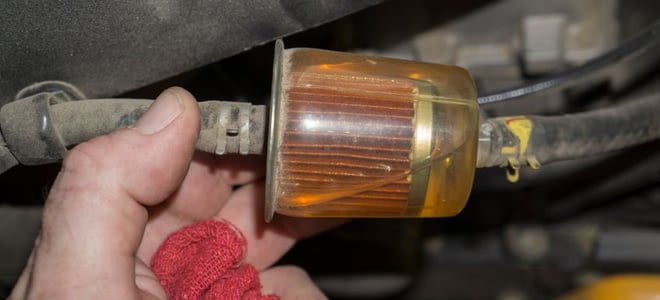
Some filters have a clear casing. This lets you see inside. If the fuel looks cloudy or has particles, the filter is dirty. This means it is time to change it.
Professional Diagnostic Tools
Some problems are not visible. Professionals use tools to check fuel filter health. A fuel pressure gauge measures how well fuel flows through the filter. Low pressure means the filter is clogged.
Mechanics may also use electronic scanners. These show error codes linked to fuel delivery issues. The tools give exact information about filter condition.
Using these tools helps find hidden problems early. This prevents engine damage and costly repairs.
Risks Of Ignoring A Dirty Fuel Filter
A dirty fuel filter can cause serious problems for your vehicle. It blocks fuel flow, which affects engine performance. Ignoring this issue leads to costly repairs and unsafe driving conditions. Recognizing the risks helps you act fast and protect your car.
Reduced Engine Power And Performance
A clogged fuel filter lowers the amount of fuel reaching the engine. This causes weak acceleration and rough idling. The engine may stall or hesitate during driving. You lose the smooth power your car needs.
Increased Fuel Consumption
The engine works harder to compensate for poor fuel flow. This makes your car use more gas than usual. Poor fuel efficiency means spending more money at the pump. It also increases pollution from your vehicle.
Damage To Fuel Pump And Engine
A blocked filter forces the fuel pump to work too hard. The pump may overheat or fail completely. Dirt and debris can reach the engine, causing damage over time. Repairing these parts costs much more than replacing a filter.
Unexpected Vehicle Breakdowns
Ignoring a dirty fuel filter increases the chance of breakdowns. Your car might stop suddenly on the road. This creates dangerous situations for you and others. Regular checks help avoid inconvenient and unsafe stops.

Credit: www.autonationmobileservice.com
Fuel Filter Maintenance Tips
Fuel filter maintenance is key to keeping your engine healthy. A clean filter stops dirt and rust from entering the fuel system. This helps your vehicle run smoothly and saves money on repairs.
Regular care prevents poor engine performance and fuel issues. Knowing how to maintain the fuel filter extends its life and protects your car.
Recommended Replacement Intervals
Most manufacturers suggest changing the fuel filter every 20,000 to 40,000 miles. Check your owner’s manual for exact guidance. Driving in dusty areas or heavy traffic may require more frequent changes. Stick to these intervals to avoid clogging and engine problems.
Choosing The Right Fuel Filter
Pick a fuel filter that fits your vehicle’s make and model. Use parts that meet or exceed factory standards. Quality filters trap contaminants better and last longer. Avoid cheap or generic filters that might cause damage or poor fuel flow.
Diy Vs Professional Replacement
Replacing the fuel filter yourself saves money but needs care. Make sure to relieve fuel pressure before starting. Use proper tools and follow safety steps to avoid spills and fire hazards. Professionals have experience and tools for quick, safe service. Choose based on your comfort and skill level.
Frequently Asked Questions
How To Tell If A Fuel Filter Is Dirty?
A dirty fuel filter causes engine trouble like stalling and poor acceleration. Check for rough idling and difficulty starting. These signs indicate blockage, restricting fuel flow and requiring filter replacement.
What Are Common Symptoms Of A Clogged Fuel Filter?
Symptoms include engine misfires, hesitation, and reduced power. You might also notice increased fuel consumption and engine sputtering. These issues signal fuel filter blockage, affecting fuel delivery and engine performance.
How Often Should I Replace My Fuel Filter?
Replace your fuel filter every 20,000 to 40,000 miles or as recommended. Regular changes prevent clogging and protect your engine from damage due to dirty fuel.
Can A Dirty Fuel Filter Cause Engine Misfires?
Yes, a dirty fuel filter restricts fuel flow, causing engine misfires. Insufficient fuel supply leads to uneven combustion, resulting in misfires and poor engine performance.
Conclusion
A dirty fuel filter can cause many car problems. Signs like engine trouble or poor fuel flow mean it needs checking. Regular filter care helps your engine run well. Don’t wait for serious damage to start. Clean or replace the filter on time.
Keep your car healthy and avoid costly repairs. A small check can save you big headaches later. Stay alert and listen to your vehicle’s signals. Your car will thank you with better performance and longer life.


