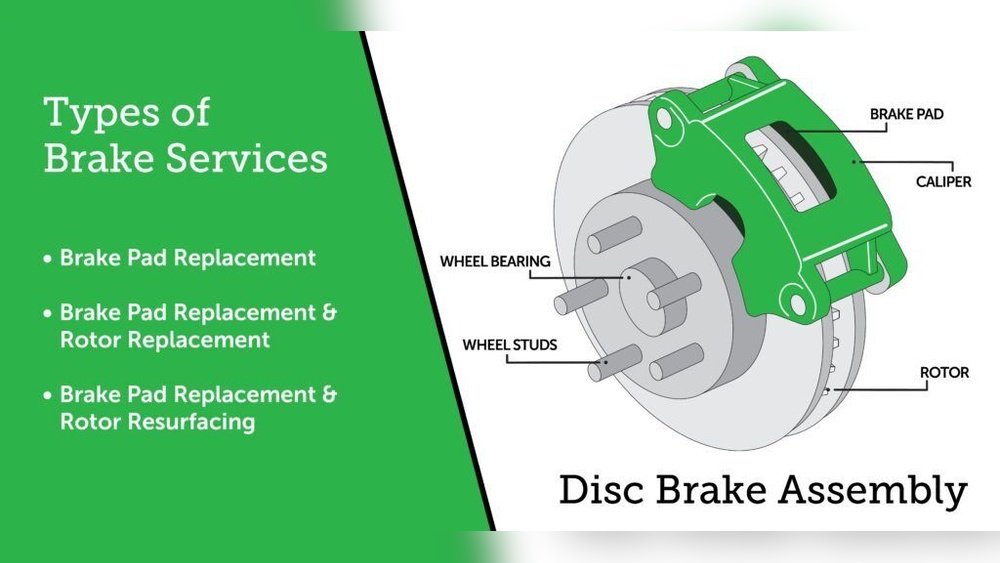
Have you ever wondered what makes your car stop smoothly and safely every time you hit the brakes? The secret often lies in the type of brake rotors your vehicle uses.
Ceramic brake rotors are becoming a popular choice for many drivers, but how exactly do they work? Understanding how these rotors function can help you make smarter decisions about your car’s braking system and keep you safer on the road.
You’ll discover the science behind ceramic brake rotors and why they might be the upgrade your vehicle needs. Keep reading to find out how these high-tech parts can improve your driving experience.
Ceramic Brake Rotor Basics
Ceramic brake rotors offer a unique approach to vehicle braking. They provide strong stopping power and last longer than many traditional rotors. Understanding the basics helps you see why many drivers prefer them. The materials and design play key roles in their performance and durability.
Below, we explore the main elements that make ceramic brake rotors effective and reliable for everyday use.
Material Composition
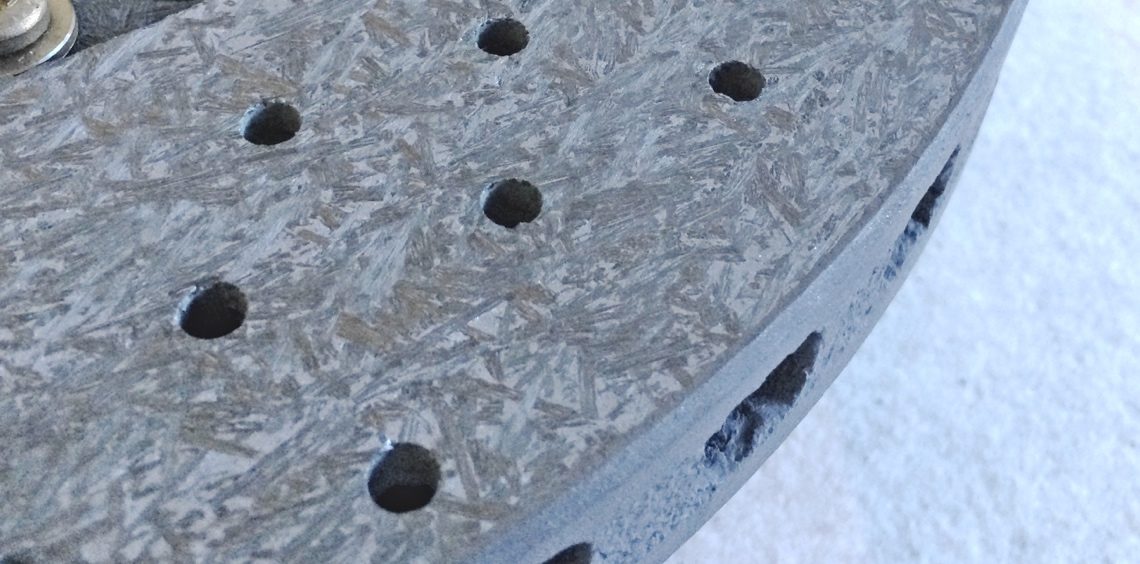
Ceramic brake rotors are made from a mix of ceramic fibers and other materials. This blend creates a rotor that is both strong and lightweight. Ceramic fibers help reduce heat build-up during braking. Less heat means better brake performance and less wear over time. Some rotors also include small amounts of copper or other metals. These metals improve heat conductivity and strength. The result is a rotor that handles high temperatures without warping.
Design Features
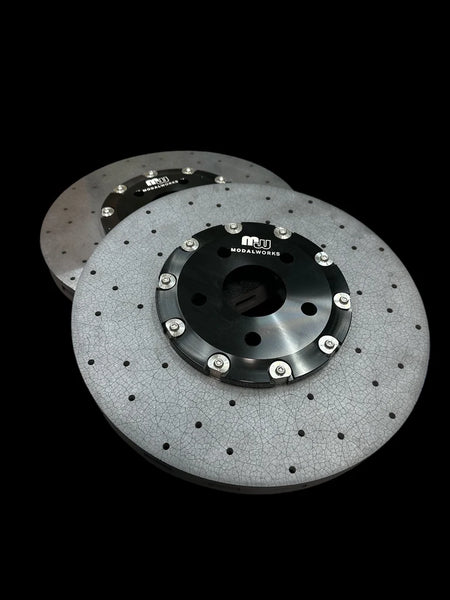
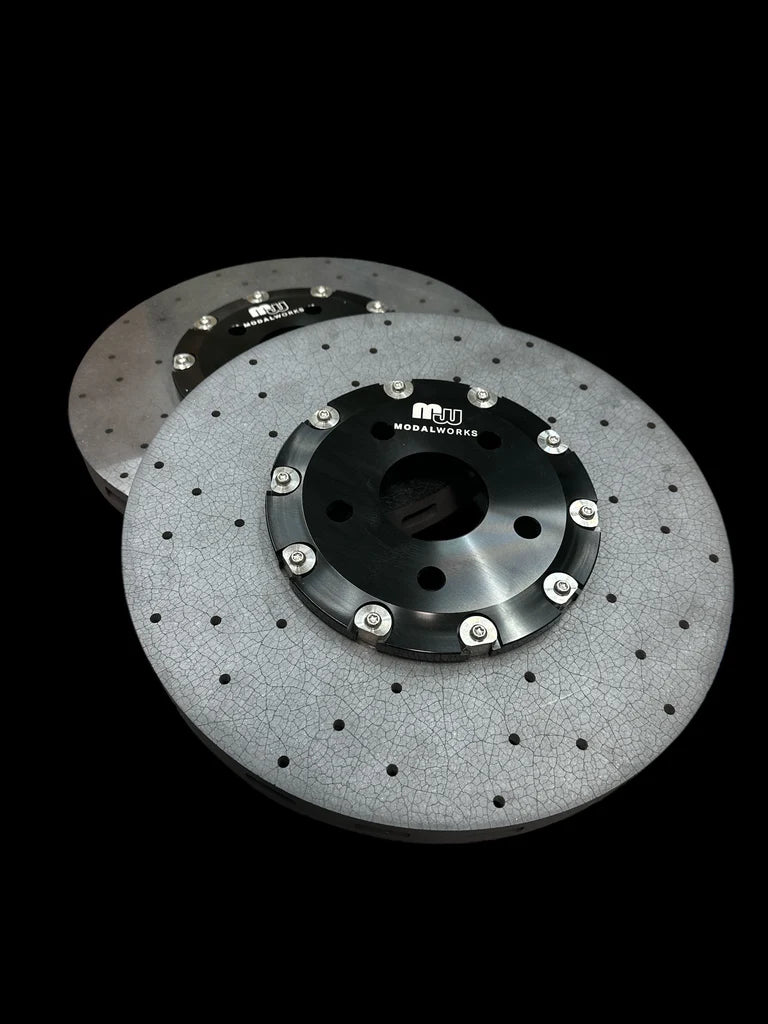
The design of ceramic rotors focuses on heat dissipation and durability. Many have drilled or slotted patterns on the surface. These patterns help release heat and gases that build up during braking. This keeps the brakes cooler and reduces brake fade. The rotor’s surface is smooth to provide steady contact with brake pads. This design improves stopping power and reduces noise. Some ceramic rotors also have a special coating. This coating protects against rust and corrosion. Overall, the design helps maintain consistent braking performance over time.
Heat Management
Heat management is key to how ceramic brake rotors perform. These rotors face high temperatures during braking. Managing this heat well helps keep braking strong and parts lasting longer.
Thermal Conductivity
Ceramic brake rotors have low thermal conductivity. This means they do not transfer heat quickly. Low heat transfer helps keep the brakes cooler. It also reduces the chance of warping under heat. This property makes ceramic rotors better than metal ones at handling heat.
Heat Dissipation Techniques
Ceramic rotors use special designs to lose heat fast. Many have drilled holes or slots. These features increase air flow around the rotor. More air flow means heat leaves the rotor quickly. This keeps the rotor surface cooler during braking. Cooler rotors keep brake pads working well and reduce fade.
Performance Benefits
Ceramic brake rotors offer clear performance benefits for many drivers. These rotors improve braking reliability and safety by using advanced materials and design. They work well in daily driving and demanding situations, making them a popular choice.
Enhanced Stopping Power
Ceramic brake rotors provide stronger stopping power than traditional rotors. Their material allows better grip between the rotor and brake pads. This means the vehicle can slow down or stop quicker and more smoothly. Drivers notice shorter stopping distances and more control during braking. This boost in performance helps increase overall driving safety.
Reduced Brake Fade
Brake fade happens when brakes lose effectiveness due to heat. Ceramic rotors handle heat better than regular rotors. They stay cooler during long or heavy braking. This keeps braking consistent and prevents fade from affecting performance. Drivers feel confident even on long downhill drives or in stop-and-go traffic. Reduced brake fade means safer and more reliable braking under stress.
Durability And Longevity
Ceramic brake rotors are known for their durability and long life. Their design helps them last longer than traditional rotors. This means fewer replacements and better performance over time.
Wear Resistance
Ceramic rotors resist wear better than regular metal rotors. They handle heat well, which prevents warping and cracking. This resistance keeps the rotors smooth and effective for many miles. Drivers experience steady braking power without quick rotor damage.
Corrosion Prevention
Ceramic rotors do not rust like steel ones. Their surface resists moisture and road salt. This protection stops corrosion that weakens metal rotors. As a result, ceramic rotors maintain strength and safety longer in wet or salty conditions.
Comparison With Traditional Rotors
Ceramic brake rotors differ from traditional rotors in many ways. These differences affect car performance, maintenance, and driving comfort. Understanding these points helps choose the right brake rotor for your vehicle.
Weight Differences
Ceramic rotors weigh less than traditional steel rotors. This lighter weight lowers the car’s unsprung mass. It improves acceleration and handling. Less weight also means less strain on suspension parts. Traditional rotors are heavier and add more load to the vehicle.
Maintenance Requirements
Ceramic rotors need less maintenance over time. They resist rust and wear better than steel rotors. This means fewer replacements and less frequent servicing. Traditional rotors wear faster and may need regular resurfacing. They are also more prone to rust, especially in wet conditions.
Credit: modalwork.com
Ideal Applications
Ceramic brake rotors suit different types of vehicles and driving styles. They offer strong performance and long life. These rotors handle heat well and reduce brake dust. Let’s see where ceramic rotors work best.
Sports Cars
Sports cars need brakes that respond fast and stay cool. Ceramic rotors handle high heat from quick stops. They keep braking smooth and steady during fast driving. These rotors also weigh less, helping sports cars stay agile.
Everyday Vehicles
For daily drivers, ceramic rotors provide quiet and clean braking. They produce less brake dust, keeping wheels cleaner. These rotors last longer, reducing maintenance trips. They handle normal driving well, giving reliable stopping power.
Installation And Care Tips
Caring for ceramic brake rotors starts with proper installation. Correct setup ensures safety and extends rotor life. Poor installation leads to uneven wear and brake noise. Simple steps make a big difference in performance.
Proper Installation Practices
Clean the hub surface before fitting the rotor. Dirt or rust causes misalignment and vibration. Use the right tools to tighten bolts. Follow the manufacturer’s torque specifications closely. Avoid overtightening to prevent rotor damage. Check the rotor for any cracks or defects before installation. Replace any damaged parts immediately. Always install new brake pads along with rotors. This prevents uneven pad wear and improves braking.
Maintenance Advice
Inspect rotors regularly for grooves or warping signs. Clean rotors with brake cleaner to remove dust and grime. Avoid using water or oil-based cleaners. Drive gently after installation to allow proper bedding. Check brake fluid levels and replace when needed. Listen for unusual brake sounds that indicate rotor issues. Replace rotors if they are below minimum thickness. Proper care keeps ceramic rotors working smoothly and safely.
Credit: modalwork.com
Credit: www.rebrake.de
Frequently Asked Questions
What Are Ceramic Brake Rotors Made Of?
Ceramic brake rotors consist of ceramic fibers, bonding agents, and metal powders. This blend offers excellent heat resistance and durability. They are lighter and reduce brake dust compared to traditional rotors, improving overall braking performance and longevity.
How Do Ceramic Brake Rotors Improve Braking?
Ceramic rotors dissipate heat quickly, preventing brake fade during heavy use. They provide consistent braking performance and reduce noise and vibrations. Their advanced material enhances stopping power and improves vehicle control in various driving conditions.
Are Ceramic Brake Rotors Better Than Steel Rotors?
Yes, ceramic rotors are lighter and generate less brake dust than steel. They last longer and handle heat better, reducing wear and tear. However, they can be more expensive upfront but offer better overall performance and durability.
Do Ceramic Brake Rotors Require Special Maintenance?
Ceramic rotors need regular inspection but no special maintenance beyond normal brake care. Clean brake dust off to maintain performance. Proper pad selection is important to avoid rotor damage and ensure optimal braking efficiency.
Conclusion
Ceramic brake rotors offer smooth and quiet braking. They handle heat well and last longer than regular rotors. Their design helps reduce dust and wear on brake pads. Choosing ceramic rotors can improve your car’s performance and safety. They work by absorbing and releasing heat quickly.
This keeps brakes from overheating during use. Understanding how they work helps you maintain your vehicle better. Ceramic rotors combine durability and efficiency for everyday driving. A smart choice for those wanting reliable brake parts.