

When was the last time you checked your brake rotors? If you’re not sure how often to change them, you’re not alone.
Your brake rotors play a crucial role in keeping you safe on the road, yet many drivers overlook their condition until it’s too late. Knowing when to replace your brake rotors can save you money, prevent damage to other parts, and most importantly, keep you and your passengers safe.
Keep reading to find out exactly how often you should change your brake rotors and the signs that tell you it’s time.
Signs To Replace Brake Rotors
Brake rotors wear out over time and need replacing for safety. Recognizing the signs early helps avoid costly repairs. Watch for clear symptoms to know when to change them.
Rotors affect how well your car stops. Damaged rotors reduce braking power and can cause accidents. Check your rotors often for any problems.
Visual Wear Indicators
Look at the rotors through the wheel spokes. Deep grooves or scoring mean the surface is worn. Rust or discoloration also signals damage. Thin rotors are unsafe and should be replaced.
Vibrations And Noise
Feel for shaking or pulsing in the brake pedal. This usually means warped rotors. Listen for squealing or grinding sounds when braking. These noises often come from rotor damage.
Reduced Braking Performance
Notice if your car takes longer to stop. Soft or spongy brake pedals can indicate rotor issues. Poor braking response is a clear sign that rotors need attention.

Credit: www.reddit.com
Factors Influencing Rotor Lifespan
Brake rotors do not wear out at the same rate for every driver. Several factors affect how long they last. Knowing these factors helps you maintain your vehicle better and avoid sudden brake problems. Understanding what influences rotor lifespan can save money and improve safety.
Driving Habits
How you drive greatly impacts rotor wear. Frequent hard braking causes rotors to heat up and wear faster. Riding the brakes or stopping often in traffic also shortens rotor life. Smooth, gentle braking helps rotors last longer. Long downhill drives with constant braking increase rotor stress and wear.
Vehicle Type And Usage
Heavier vehicles put more pressure on brake rotors. Trucks and SUVs usually wear rotors faster than small cars. Vehicles used for towing or carrying heavy loads cause extra rotor wear. City driving with many stops wears rotors more than highway driving. Off-road driving can also damage rotors quicker.
Rotor Material And Quality
Rotors come in different materials and qualities. High-quality rotors resist heat and wear better. Cheap rotors often wear out sooner and may warp. Some rotors have special coatings to reduce rust and increase life. Choosing good rotors suits your driving style and vehicle needs.
Recommended Replacement Intervals
Knowing the right time to change brake rotors keeps your car safe. Rotors wear down from use and heat. Changing them at the right time stops damage to other parts. It also helps your brakes work well every day.
Here are some key points about when to replace brake rotors. Follow these to keep your car running smoothly and safely.
Manufacturer Guidelines
Car makers give advice on rotor replacement. Check your owner’s manual for specific rules. These guidelines fit your car’s model and brake system. Following them helps avoid early wear or damage.
Mileage-based Recommendations
Many experts say change rotors every 30,000 to 70,000 miles. This depends on driving style and road conditions. Heavy braking or mountain driving can shorten rotor life. Track your mileage and plan replacements ahead.
Inspection Frequency
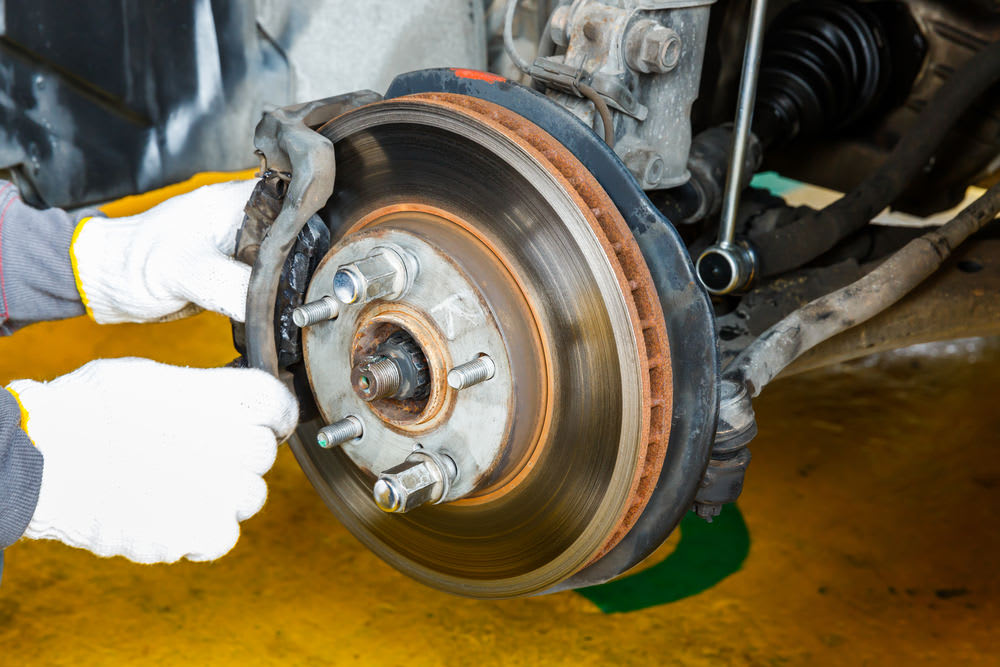
Regular checks catch rotor problems early. Inspect rotors every 10,000 to 15,000 miles. Look for cracks, grooves, or warping. Brake shops can measure rotor thickness to confirm safety. Early fixes save money and keep brakes strong.
Credit: www.yourmechanic.com
Risks Of Delaying Rotor Replacement
Delaying the replacement of brake rotors can lead to serious problems. Rotors wear out over time and lose their ability to stop your vehicle safely. Ignoring worn rotors puts you at risk on the road. It also causes extra damage to your car’s brake system. Understanding these risks helps you make better decisions about brake care.
Safety Hazards
Worn rotors reduce braking power. This increases stopping distance and the chance of accidents. Vibrations and noise while braking can distract drivers. Cracked or warped rotors may cause brake failure. Safe driving depends on reliable brakes. Delaying rotor replacement puts your safety at risk.
Increased Repair Costs
Ignoring rotor wear leads to bigger problems. Damaged rotors can ruin brake pads faster. Repair bills rise as more parts get damaged. Simple rotor replacement costs less than fixing multiple components. Timely maintenance saves money and avoids costly repairs.
Impact On Other Brake Components
Bad rotors affect the entire brake system. Brake pads wear unevenly and quickly. Calipers may overwork and fail sooner. This causes more frequent replacements and repairs. Healthy rotors keep all brake parts working properly. Protect your brake system by replacing rotors on time.
Diy Rotor Inspection Tips
Checking your brake rotors yourself can save money and keep your car safe. Regular inspections help spot damage early. You do not need to be a mechanic. Just follow a few clear steps to check the rotors.
Tools Needed
Gather a few simple tools before starting. You need a jack to lift the car. Use a lug wrench to remove the wheels. A flashlight helps see small cracks or grooves. A micrometer or rotor gauge measures rotor thickness. Gloves protect your hands from dirt and sharp edges.
Step-by-step Inspection
Start by parking on a flat surface. Loosen the lug nuts but do not remove them yet. Use the jack to lift the car and take off the wheel. Shine the flashlight on the rotor surface. Look for deep grooves, cracks, or rust spots. Run your finger over the rotor to feel any rough edges.
Use the micrometer to measure rotor thickness. Compare it to the car manual’s minimum thickness. If the rotor is thinner than the limit, it needs replacement. Check for warping by spinning the rotor by hand. If it wobbles, it may cause brake vibration.
When To Seek Professional Help
Some rotor issues require expert repair. Strange noises or brake pulsation need a mechanic’s check. If you find deep cracks or severe warping, visit a professional. Do not try to fix complex rotor problems alone. Safety is the top priority when dealing with brakes.
Credit: www.reddit.com
Choosing Quality Brake Rotors
Choosing quality brake rotors matters for your car’s safety and performance. Good rotors last longer and stop your car smoothly. Poor quality parts wear out fast and can cause noise or vibration. Knowing the types, trusted brands, and balancing cost with performance helps you pick the right rotors.
Types Of Rotors
Brake rotors come in several types. Solid rotors are simple and good for everyday driving. Vented rotors cool faster and reduce brake fade. Drilled rotors help with heat and water but may crack under stress. Slotted rotors improve grip and remove dust. Choose the type that fits your driving style and car needs.
Brands And Certifications
Trusted brands offer rotors tested for safety and quality. Look for certifications like ISO or SAE. These show the rotor meets industry standards. Avoid cheap, unknown brands to prevent early wear or failure. Quality brands provide warranties and support for peace of mind.
Cost Vs. Performance
Higher cost often means better materials and longer life. Cheap rotors may save money now but cost more later in repairs. Consider how often you drive and road conditions. Spend wisely on rotors that match your budget and driving demands. Balance is key for safety and value.
Frequently Asked Questions
How Often Should Brake Rotors Be Replaced?
Brake rotors typically need replacement every 30,000 to 70,000 miles. This depends on driving habits and rotor quality. Regular inspection helps detect wear early. Uneven wear or vibrations signal rotor replacement. Always follow your vehicle manufacturer’s maintenance schedule.
What Are Signs Of Worn-out Brake Rotors?
Worn brake rotors cause vibrations, squealing, or grinding noises. You may feel pulsation in the brake pedal. Visible grooves or cracks on rotors also indicate wear. If you notice these signs, inspect rotors promptly. Ignoring them can reduce braking efficiency and safety.
Can Brake Rotors Be Resurfaced Instead Of Replaced?
Yes, rotors can be resurfaced if wear is minimal. Resurfacing smooths out grooves and restores rotor surface. However, if rotors are too thin or damaged, replacement is safer. Consult a professional mechanic to assess rotor condition accurately. Resurfacing extends rotor life but has limits.
Does Driving Style Affect Brake Rotor Lifespan?
Driving style greatly affects rotor lifespan. Aggressive braking causes faster rotor wear. Frequent stop-and-go traffic also wears rotors quickly. Smooth, gradual braking helps extend rotor life. Adopting good driving habits reduces the need for frequent rotor changes.
Conclusion
Brake rotors wear out over time and need regular checks. Usually, you should change them every 30,000 to 70,000 miles. Signs like vibrations or noise mean it’s time to inspect. Proper maintenance keeps your brakes safe and working well. Don’t wait for big problems to appear.
Stay alert and replace rotors as needed to protect yourself on the road. Regular care saves money and stress in the long run. Keep your vehicle safe and your drives smooth.


