

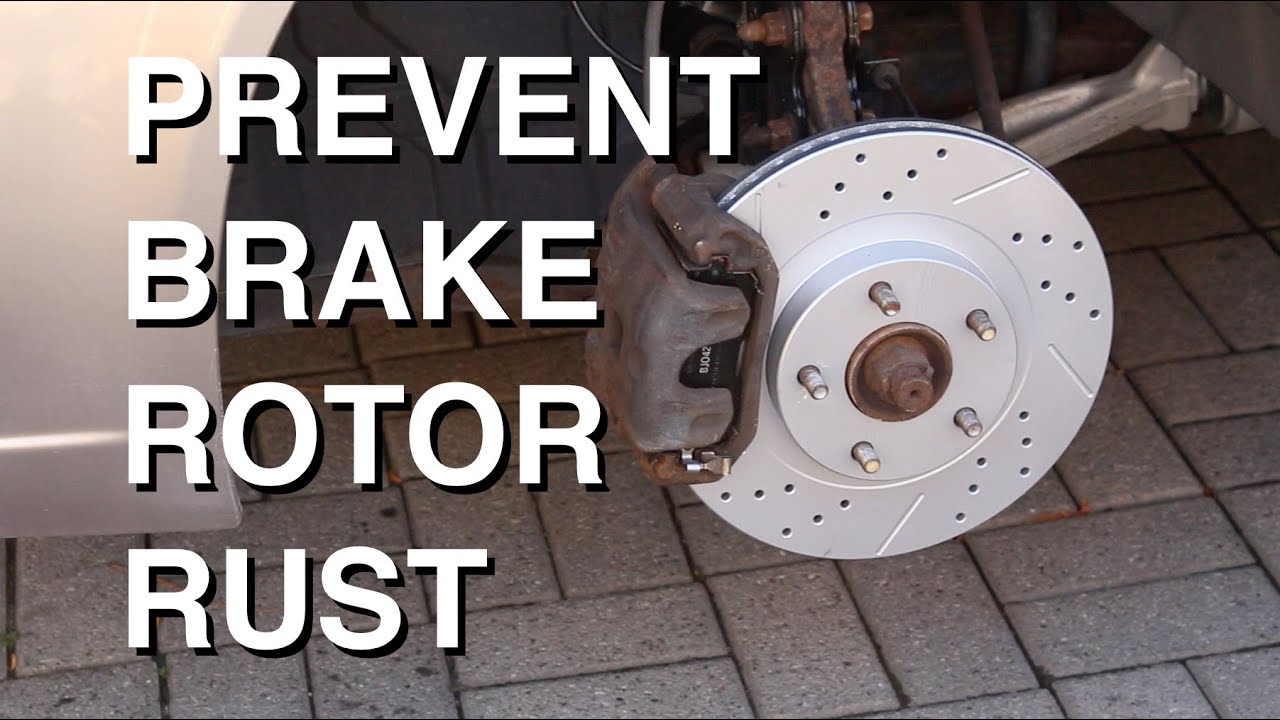
Are you tired of seeing rust build up on your brake rotors every time your car sits for a while? Rusty rotors can cause noise, reduce braking performance, and even lead to costly repairs.
But what if you could keep your brake rotors clean and rust-free with just a few simple steps? You’ll discover easy and effective ways to protect your rotors, so your brakes stay smooth and reliable. Keep reading, and take control of your car’s safety today.
Credit: www.youtube.com
Causes Of Brake Rotor Rust
Brake rotor rust is a common problem for many car owners. Rust can weaken the rotors and reduce braking performance. Understanding what causes rust helps protect your brake system.
Several factors lead to rust forming on brake rotors. These factors often work together, speeding up corrosion. Knowing these causes can help you take better care of your vehicle.
Exposure To Moisture
Moisture is the top reason rotors rust. Water from rain, snow, or washing your car can stay on the metal surface. When rotors stay wet, rust forms quickly. Even humidity in the air adds moisture to the rotors.
Rotors are made of iron, which reacts with water and oxygen. This reaction creates rust. The longer the metal stays wet, the more rust appears. Drying rotors after washing or rain helps slow rust.
Impact Of Road Salt
Road salt is another major cause of rotor rust. Salt melts ice and snow on roads in winter. But salt also speeds up metal corrosion. Salt mixes with water and creates a strong rusting solution.
Driving on salted roads increases rust risk. Salt sticks to the rotors and stays there until washed off. This chemical attack damages the metal surface faster than water alone.
Effect Of Infrequent Driving
Cars that sit unused often develop rust on rotors. When you don’t drive often, rotors stay wet and exposed to air. This allows rust to build up on the surface.
Driving your car regularly helps clean the rotors. The brake pads scrape off light rust during braking. Without regular use, rust layers grow thicker and harder to remove.
Signs Of Rust On Rotors
Rust on brake rotors is a common problem, especially in wet or humid areas. It can affect your car’s safety and performance. Knowing the signs of rust helps you spot issues early. Catching rust early can save you from costly repairs and keep your brakes working well.
Visual Indicators
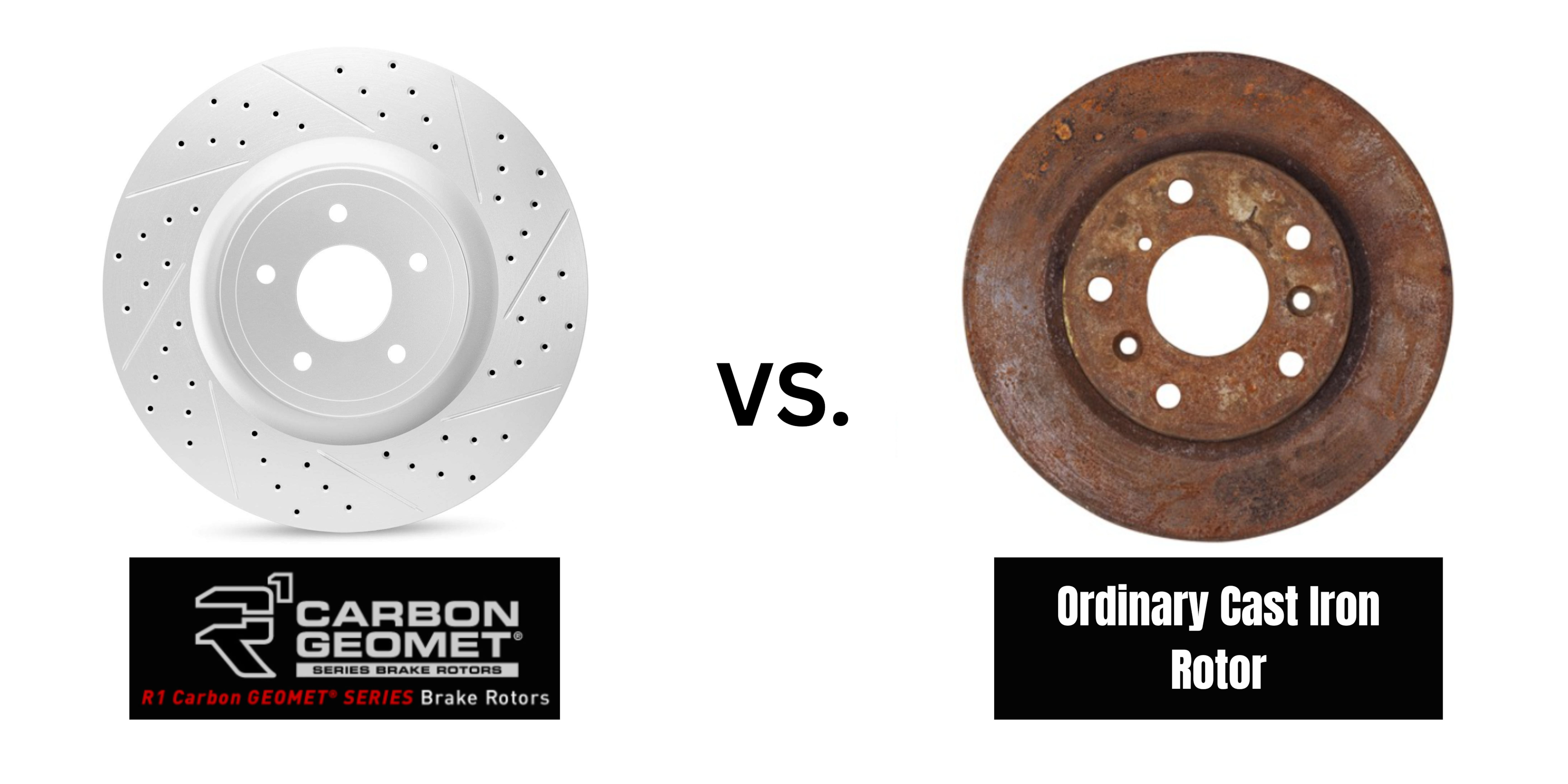
Rust often shows as orange or brown spots on the rotor surface. The rotors might look rough instead of smooth and shiny. You may see flaky or patchy rust buildup. Sometimes, rust appears only on the edges, but it can spread. Small rust rings can form where the brake pads do not touch. These signs mean rust is forming and should be checked.
Brake Performance Issues
Rust can cause your brakes to feel different when you drive. You might notice a grinding or squeaking noise during braking. The brake pedal can feel less responsive or spongy. Sometimes, your car pulls to one side when braking. Rust can also increase stopping distance. These issues can signal rust damage on the rotors.
Routine Cleaning Techniques
Routine cleaning helps protect brake rotors from rust. Dirt and moisture cause rust to form quickly. Cleaning keeps rotors smooth and extends their life. Regular care avoids costly repairs later.
Using Brake Cleaner
Brake cleaner removes dirt, grease, and brake dust easily. Spray the cleaner directly on the rotor surface. Let it sit for a few minutes. Wipe the rotor with a clean cloth. Use gloves and work in a well-ventilated area. Avoid touching the rotor after cleaning. This method keeps rotors free from rust and buildup.
Diy Cleaning Methods
Use simple tools like a wire brush or sandpaper. Lightly scrub the rotor surface to remove rust spots. Be gentle to avoid damaging the rotor. Another way is to use vinegar or baking soda paste. Apply it on rusted areas, wait 10 minutes, then scrub. Rinse with water and dry thoroughly. These home methods help keep rotors clean without harsh chemicals.

Credit: www.youtube.com
Protective Coatings And Treatments
Protective coatings and treatments guard brake rotors against rust. They create a barrier that stops water and air from causing corrosion. Applying these layers extends the life of your rotors and keeps them working well. Choosing the right coating depends on your needs and driving conditions.
Ceramic Coatings
Ceramic coatings form a strong, heat-resistant layer on rotors. They resist rust and reduce wear from braking. These coatings handle high temperatures without breaking down. They also make cleaning easier by preventing dirt and brake dust buildup. Ceramic coatings last longer than many other options.
High-temperature Paints
High-temperature paints protect rotors from rust and heat damage. They cure at high heat to stick firmly to metal. These paints come in various colors for customization. They help prevent rust during wet or salty conditions. Reapplying the paint every year keeps the protection strong.
Driving Habits To Minimize Rust
Driving habits play a key role in keeping brake rotors free from rust. Rust can form quickly if rotors stay wet or unused. Simple changes in how often and how you drive help protect the rotors. These habits prevent rust buildup and keep brakes working well.
Regular Driving Frequency
Drive your car regularly to stop rust from forming. When rotors sit idle, moisture builds up and causes rust. Even short trips help dry rotors and wear off surface rust. Aim to drive at least a few times each week. This keeps rotors clean and ready to brake smoothly.
Post-wash Driving Tips
After washing your car, moisture stays on the rotors. Drive the vehicle soon after a wash to dry the rotors. Use the brakes gently while driving to clear water from the rotor surface. This reduces the chance of rust forming on wet metal. Quick drying protects the rotors and extends their life.
Storage Tips For Vehicles
Proper storage helps protect your brake rotors from rust. Rust forms when metal meets moisture and air. Keeping your vehicle in the right place reduces this contact. Storage also affects the overall health of your vehicle’s parts. Below are tips on how to store your vehicle to avoid rust on brake rotors.
Indoor Vs Outdoor Storage
Storing your vehicle indoors is the best way to prevent rust. Garages or covered areas block rain and humidity. Indoor storage keeps the temperature steady, which slows rust formation. Outdoor storage exposes your vehicle to weather changes. Rain, dew, and snow add moisture to rotors. Outdoor parking increases the risk of rust and corrosion. If indoor storage is not possible, choose a dry, shaded spot.
Use Of Car Covers
Car covers offer extra protection against moisture and dirt. They act as a barrier between rotors and the elements. Use a cover made of breathable material to avoid trapped moisture. Waterproof covers protect from rain but can trap condensation if not breathable. Covers also shield your vehicle from dust and debris. Regularly remove and air out the cover to keep rotors dry. This simple step reduces rust and keeps rotors clean.
When To Replace Rusted Rotors
Rusted brake rotors can affect your car’s safety and performance. Knowing when to replace them is important. Rust can wear down the metal and cause uneven braking. Some rust on the surface is normal, but heavy rust can cause problems. Checking your rotors regularly helps you avoid accidents and costly repairs.
Assessing Rotor Thickness
Brake rotors have a minimum thickness limit set by the manufacturer. Use a micrometer to measure the rotor thickness. If the rotor is thinner than the limit, it must be replaced. Rust can cause the rotor to wear down faster. Thin rotors may warp or crack under pressure. Always compare measurements to the car manual’s specifications.
Safety Considerations
Rusted rotors can reduce braking power and increase stopping distance. Deep rust may cause brake noise or vibration. Uneven rotor surfaces can lead to brake pulsation. Driving with bad rotors puts you and others at risk. Replace rotors that show heavy rust or surface damage. Proper brakes ensure safe driving in all conditions.
Credit: www.r1concepts.com
Frequently Asked Questions
How Can I Prevent Brake Rotors From Rusting Quickly?
To prevent rust, drive your car regularly to dry rotors after rain. Use anti-rust sprays and keep the rotors clean and dry. Avoid long periods of inactivity, as moisture promotes rust formation on brake rotors.
Does Regular Driving Reduce Brake Rotor Rust?
Yes, regular driving helps remove surface moisture and rust buildup. Braking action scrapes off light rust, keeping rotors cleaner. Consistent use prevents prolonged exposure to water and air, reducing corrosion risks.
What Maintenance Helps Protect Brake Rotors From Rust?
Regularly clean rotors with brake cleaner and inspect for rust. Apply protective coatings or anti-corrosion sprays designed for brake components. Also, ensure your vehicle’s parking environment is dry and well-ventilated to minimize moisture exposure.
Can Rust On Brake Rotors Affect Braking Performance?
Yes, rust can cause uneven braking and noise. Light surface rust usually clears with driving, but heavy rust can reduce rotor lifespan. Promptly address rust to maintain safe and smooth braking.
Conclusion
Protecting brake rotors from rust keeps your car safe and reliable. Regular cleaning and driving help prevent rust buildup. Parking in dry places also reduces moisture exposure. Using quality brake parts can extend rotor life. Small steps make a big difference over time.
Keep an eye on your brakes for early signs of rust. Taking care today saves money and stress later. Simple habits ensure your brakes work well and last longer. Rust-free rotors mean safer stops every time you drive.


