

If your vehicle is acting up or losing power, the problem might be a dirty fuel filter. Knowing how to clean your fuel filter can save you time, money, and the hassle of unexpected breakdowns.
You’ll discover simple, step-by-step tips to get your fuel filter working like new. By the end, you’ll feel confident handling this important part of your vehicle’s engine. Keep reading—you don’t want to miss these easy tricks that keep your ride smooth and reliable.
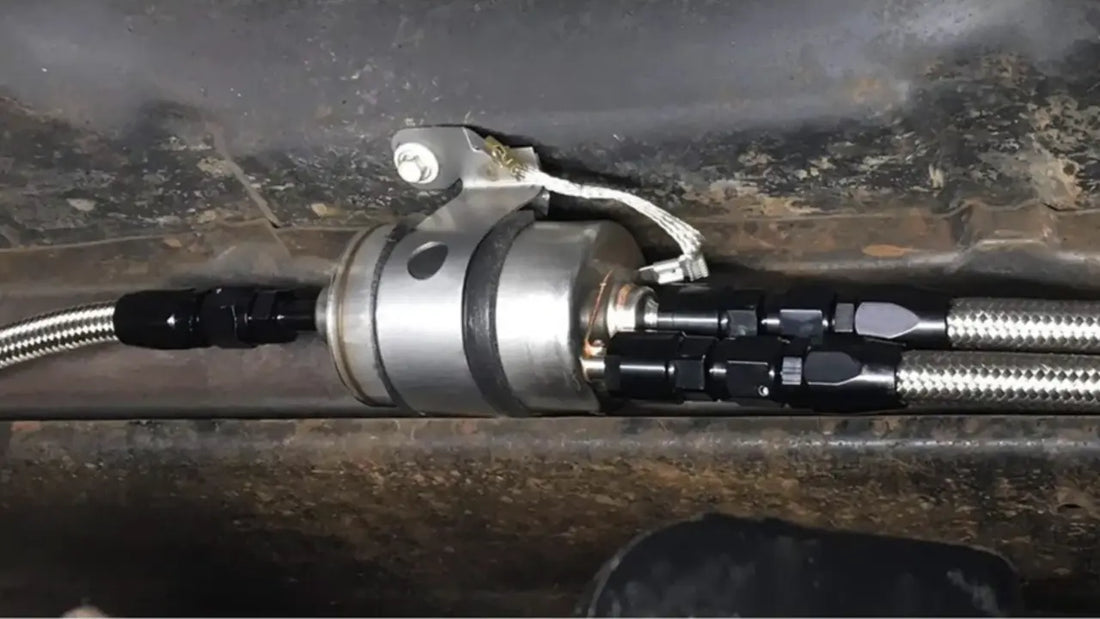
Credit: www.ievilenergy.com
Why Clean Your Fuel Filter
Cleaning your fuel filter is an important part of vehicle care. It helps keep your engine running smoothly. Dirt and debris can block the filter. This stops fuel from flowing well. Regular cleaning stops problems before they start.
A clean fuel filter saves money on repairs. It helps your car use fuel better. This means fewer trips to the mechanic. Taking care of the fuel filter means better engine health.
Impact On Engine Performance
A dirty fuel filter makes the engine work hard. Fuel flow slows down. The engine may sputter or stall. Power drops during acceleration. The car may use more fuel. Cleaning the filter keeps fuel flowing fast. This keeps the engine strong and smooth.
Signs Of A Clogged Fuel Filter
Engine trouble can signal a clogged filter. The car may hesitate or jerk. Starting the engine might take longer. The engine may run rough or stall. You might notice poor fuel economy. These signs show the filter needs cleaning or changing soon.
Tools And Materials Needed
Cleaning your fuel filter is a simple task with the right tools and materials. Having everything ready saves time and makes the process smoother. This section lists the essential items needed for a safe and effective cleaning job.
Essential Cleaning Supplies
- New fuel filter (if replacement is needed)
- Wrenches or socket set for removing the filter
- Clean container to catch fuel
- Fuel-safe brush or soft cloth for cleaning
- Fuel system cleaner or mild detergent
- Clean rags or paper towels
- Plastic tubing to drain fuel (optional)
Safety Gear To Use
- Protective gloves to avoid fuel contact
- Safety goggles to protect your eyes
- Long-sleeve shirt to protect your skin
- Well-ventilated area or outdoor workspace
- Fire extinguisher nearby for emergencies
Locating The Fuel Filter
Finding the fuel filter is the first step in cleaning it. The fuel filter keeps dirt and debris from reaching the engine. Knowing where it is saves time and effort. Each car has a different location for its fuel filter.
Common Fuel Filter Locations
Most fuel filters are along the fuel line. They can be near the fuel tank under the car. Some are close to the engine bay. Older cars often have the filter outside the fuel tank. Newer models usually place it inside the fuel tank.
Look near the frame rail under the vehicle. Another spot is near the fuel pump assembly. Some cars hide the fuel filter under the rear seats. Check the owner’s manual for exact locations.
Tips For Easy Access
Park the car on a flat surface and turn off the engine. Use jack stands to lift the car if needed. Wear gloves to protect your hands. Clean the area around the fuel filter before removal. This stops dirt from entering the fuel system.
Have a container ready to catch any spilled fuel. Use proper tools like wrenches or pliers for fittings. Mark the fuel lines to avoid confusion during reassembly. Take pictures to help put everything back correctly.
Step-by-step Cleaning Process
Cleaning your fuel filter keeps your engine running smoothly. Dirt and debris can block the filter. This lowers fuel flow and hurts engine performance. Follow these simple steps to clean your fuel filter safely and easily. Each step helps you avoid damage and ensures good results.
Preparing The Vehicle
Start by parking the vehicle on a flat surface. Turn off the engine and let it cool down. Locate the fuel filter using your vehicle’s manual. Wear gloves and safety glasses for protection. Relieve fuel system pressure by loosening the fuel cap. This prevents fuel spray when removing the filter.
Removing The Fuel Filter
Use a wrench to disconnect the fuel lines from the filter. Catch any fuel that drips using a container or cloth. Take note of the filter’s position for correct reinstallation. Remove the filter carefully to avoid spills. Inspect the filter for damage or heavy clogging.
Cleaning Techniques
Use a clean cloth to wipe the filter’s exterior. For reusable filters, soak them in a cleaning solvent. Gently brush off dirt with a soft brush. Avoid using high-pressure water as it may damage the filter. Let the filter dry completely before reinstalling.
Reinstalling The Fuel Filter
Place the filter back in its original position. Reattach the fuel lines securely with a wrench. Double-check all connections to prevent leaks. Tighten the fuel cap and start the engine. Check for leaks and listen for smooth engine operation.
Preventive Maintenance Tips
Preventive maintenance helps keep your fuel filter working well. It stops dirt and debris from blocking fuel flow. This saves your engine from damage and keeps your vehicle running smoothly. Regular care also extends the life of the fuel system parts.
How Often To Clean Or Replace
Check your vehicle’s manual for cleaning or replacement times. Most fuel filters need attention every 20,000 to 30,000 miles. Dirty or clogged filters reduce fuel efficiency and cause engine problems. Inspect the filter sooner if you drive in dusty areas or use old fuel.
Fuel Quality And Its Role
Good fuel helps keep the filter clean longer. Poor quality fuel contains dirt and water that clog filters fast. Use fuel from trusted stations to avoid contaminants. Adding fuel stabilizers can also protect the fuel system during storage. Clean fuel means less frequent filter care.
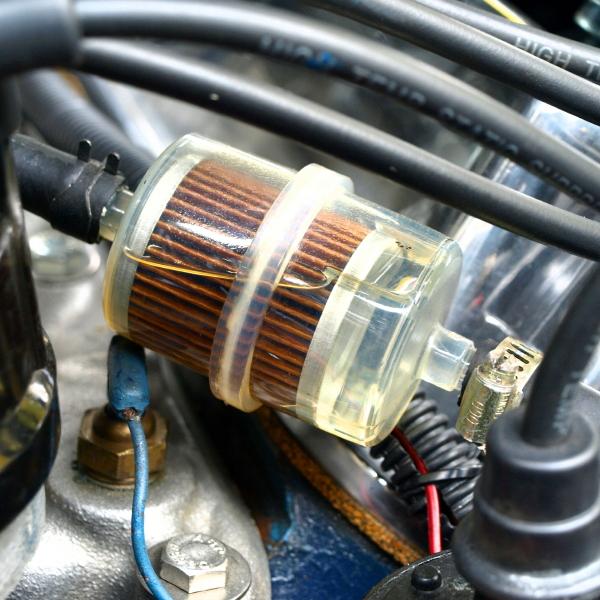
Credit: motor.onehowto.com
Troubleshooting Fuel Filter Issues
Fuel filters play a vital role in protecting your engine from dirt and debris. Cleaning them can improve performance. Sometimes, problems appear after cleaning. Troubleshooting helps find and fix these issues quickly. Knowing what to check saves time and effort.
Common Problems After Cleaning
After cleaning, the engine may run rough or stall. This can happen if dirt remains in the filter. Air bubbles in the fuel line cause similar issues. A loose or damaged filter seal may let dirt in. Fuel leaks around the filter are a clear sign of trouble. Check connections and clean the area carefully. Fuel flow may reduce if the filter is clogged. This lowers engine power and causes hesitation.
When To Seek Professional Help
Some problems need expert attention. Persistent engine stalling or no start means a deeper issue. Damaged fuel lines or connectors require a mechanic. If fuel leaks continue after tightening, call a professional. Complex fuel system checks need special tools. Seeking help prevents costly repairs and keeps your engine safe.

Credit: motor.onehowto.com
Frequently Asked Questions
How Often Should I Clean My Fuel Filter?
You should clean your fuel filter every 20,000 to 30,000 miles. Regular cleaning prevents clogging and maintains engine performance. Check your vehicle manual for specific intervals. Cleaning frequency may vary based on driving conditions and fuel quality.
What Tools Are Needed To Clean A Fuel Filter?
You need basic tools like wrenches, screwdrivers, and a container for fuel. Safety gloves and eye protection are recommended. Some fuel filters require special tools, so check your vehicle’s manual before starting the cleaning process.
Can I Clean All Types Of Fuel Filters?
Not all fuel filters can be cleaned. Some are disposable and must be replaced. Check your vehicle manual to identify if your fuel filter is reusable. Cleaning is usually possible for metal or clear plastic filters.
What Are The Signs Of A Dirty Fuel Filter?
Common signs include engine misfires, poor acceleration, and reduced fuel efficiency. Your vehicle may also have difficulty starting or stall frequently. If you notice these symptoms, inspect and clean or replace the fuel filter promptly.
Conclusion
Cleaning your fuel filter helps your vehicle run better. It stops dirt from reaching the engine. Regular cleaning can save money on repairs. You only need a few tools to do it. Take your time and follow safety steps. Your car will thank you with smooth driving.
Keep your fuel filter clean for a longer engine life. Small care makes a big difference. Try it yourself and enjoy a healthier vehicle.


