

Are you worried that your car’s brakes might not be working as well as they should? Knowing if your brake rotors are bad is crucial for your safety and your vehicle’s performance.
You might feel vibrations when braking, hear strange noises, or notice your car pulling to one side. These could be signs that your brake rotors need attention. You’ll discover simple ways to tell if your brake rotors are worn out or damaged—so you can take action before a small problem turns into a costly repair or a dangerous situation.
Keep reading to protect yourself and your car.
Credit: www.ricksautoservice.org
Common Brake Rotor Issues
Brake rotors play a key role in your vehicle’s safety. They work with brake pads to stop the car. Over time, rotors can develop problems that reduce braking power. Knowing common rotor issues helps you spot trouble early. This saves money and keeps you safe on the road.
Warped Rotors
Warped rotors cause a shaking feeling when braking. You may notice the steering wheel vibrates. Heat from heavy braking can warp the rotor’s surface. Warping makes the brake pads hit unevenly. This reduces stopping power and causes noise.
Cracked Rotors
Cracks appear from extreme heat or sudden cooling. Small cracks can grow larger over time. Cracked rotors may cause a pulsing brake pedal. Driving with cracked rotors is dangerous. The rotor could break during braking.
Rust And Corrosion
Rust forms when rotors stay wet for a long time. Light rust is normal but heavy rust causes damage. Corrosion weakens the rotor’s surface and thickness. Rusty rotors can cause noisy brakes. They also reduce brake efficiency.
Excessive Wear
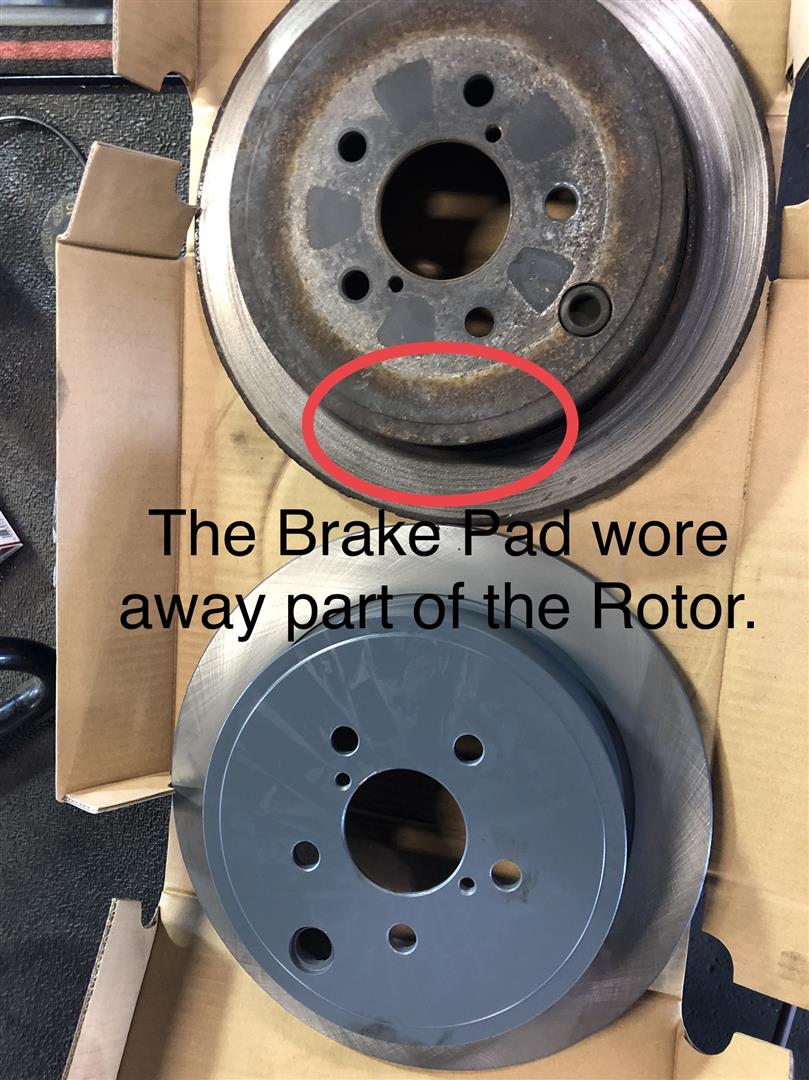
Rotors wear down with use and time. Thin rotors overheat easily and may crack. Deep grooves or scoring show wear damage. Excessive wear leads to poor braking and noise. Measure rotor thickness to check if replacement is needed.
Key Signs Of Bad Rotors
Bad brake rotors affect your car’s safety and performance. Knowing the signs helps you act fast. Early detection can prevent bigger problems. Watch for these key signs to keep your brakes in good shape.
Vibrations When Braking
Feeling a shake or vibration in the brake pedal is a common sign. The steering wheel may also vibrate. This happens when rotors have uneven surfaces. It makes braking less smooth and less safe.
Squealing Or Grinding Noises
High-pitched squealing or harsh grinding sounds are warning signals. Squealing usually means worn brake pads, but it can affect rotors too. Grinding means the pads may be gone, and the metal hits the rotor. Both noises need quick attention.
Visible Rotor Damage
Look at your rotors through the wheel spokes. Deep grooves, cracks, or rust spots show damage. Warped or thin rotors also need replacement. Damaged rotors reduce brake efficiency and increase risk.
Longer Stopping Distances
Your car takes more space to stop than before. This means the brakes do not work well. Bad rotors can cause this problem. They reduce friction needed to stop the car quickly. Check your brakes if stopping takes longer.
How To Inspect Brake Rotors
Inspecting brake rotors helps keep your car safe and smooth. It shows if rotors need fixing or changing. You can check rotors yourself with simple tools and clear steps. This saves time and money. Follow these tips to spot rotor problems early.
Visual Inspection Tips
Look closely at the rotor surface. Check for deep grooves or cracks. Small cracks can grow and cause brake failure. Rust is normal but too much can weaken rotors. Uneven wear or discoloration means heat damage. Make sure the rotor surface is smooth and flat.
Measuring Rotor Thickness
Use a micrometer to measure rotor thickness. Compare your reading with the minimum thickness in your car manual. Rotors thinner than the limit must be replaced. Thin rotors heat up faster and reduce braking power. Measure at several points around the rotor for accuracy.
Checking For Rotor Runout
Rotor runout means the rotor wobbles as it spins. Use a dial indicator to check runout. Attach the dial indicator near the rotor edge. Slowly rotate the rotor and watch the dial. Runout above the allowed limit causes brake vibration. Replace or machine the rotor to fix this issue.
Effects Of Ignoring Bad Rotors
Ignoring bad brake rotors can cause serious problems for your vehicle. The rotors are key parts of the braking system. They help stop your car safely. Damaged rotors reduce braking power and can cause more damage. Understanding the effects of bad rotors helps you avoid costly repairs and dangers on the road.
Reduced Braking Performance
Worn or damaged rotors lower your brake’s effectiveness. Your car may take longer to stop. The brake pedal can feel soft or shaky. This makes driving unsafe, especially in emergencies. Reduced braking performance puts you and others at risk.
Increased Repair Costs
Ignoring bad rotors often leads to bigger car problems. Damaged rotors can wear out brake pads faster. This means you pay for more parts and labor. Repair costs rise when you delay fixing the rotors. Early rotor replacement saves money in the long run.
Safety Risks On The Road
Bad rotors increase the chance of brake failure. Your car may pull to one side while stopping. This causes loss of control on wet or slippery roads. Brake failure can lead to accidents and injuries. Fixing rotors promptly keeps you safer on the road.
When To Replace Or Resurface Rotors
Knowing when to replace or resurface brake rotors is important for safe driving. Rotors wear down over time and affect braking power. Some signs show rotors need work to keep your car stopping well and avoid damage.
Rotors can be resurfaced to smooth out small grooves or replaced if too thin or damaged. Deciding between these depends on the rotor’s condition and cost. Understanding rotor limits and options helps you choose the best fix.
Rotor Thickness Limits
Each rotor has a minimum thickness limit set by the manufacturer. This limit ensures safe braking and prevents rotor failure. Use a micrometer to measure rotor thickness at several points. If thickness is below the limit, replace the rotor.
Resurfacing removes some metal. If the rotor is close to the limit, resurfacing is not safe. Thicker rotors last longer and handle heat better during braking. Thin rotors can warp or crack easily.
Cost Comparison
Resurfacing rotors usually costs less than replacing them. It involves machining the rotor surface to remove grooves or rust. This can extend rotor life if the thickness is still good.
New rotors cost more but provide better performance and safety. Replacement is needed if rotors are warped, cracked, or too thin. Consider labor and parts cost when deciding.
Professional Vs Diy Replacement
Professionals have tools and experience to measure, resurface, or replace rotors safely. They ensure proper installation and brake system function.
DIY rotor replacement saves money but needs knowledge and correct tools. Improper work can cause brake problems or safety risks. Follow guides carefully and check rotor specs.

Credit: www.reddit.com
Preventive Maintenance For Rotors
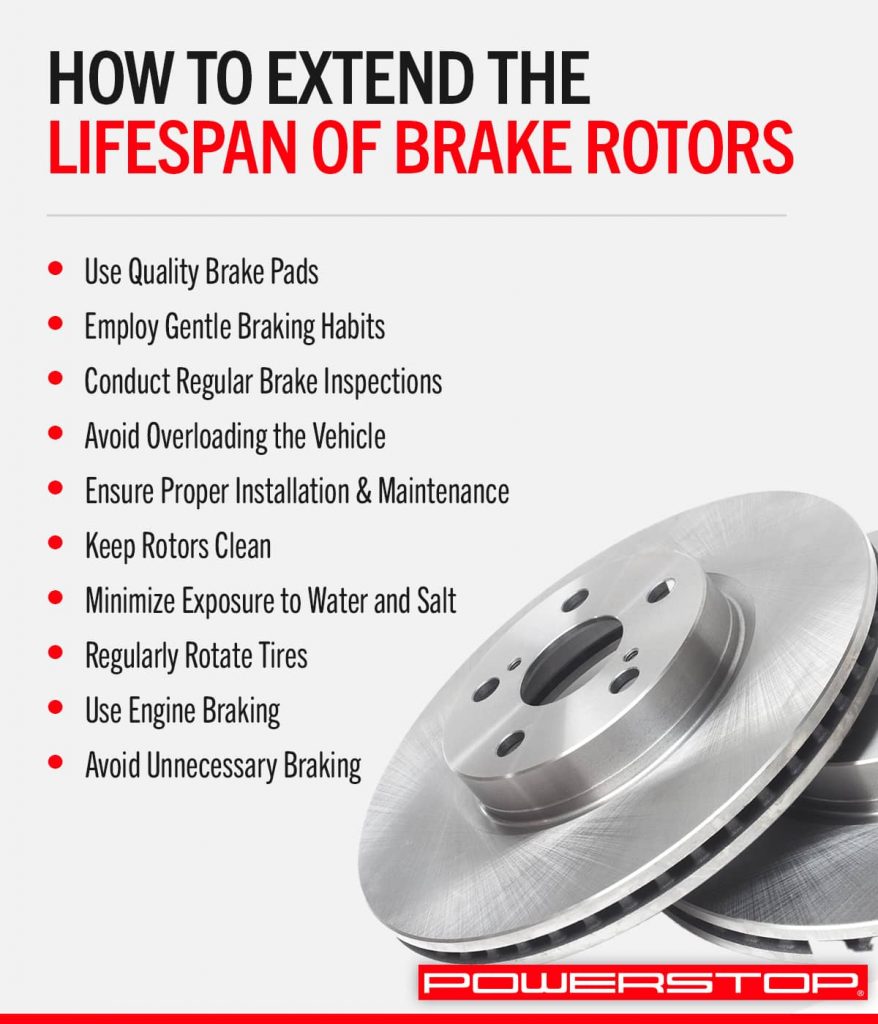
Preventive maintenance helps keep brake rotors in good shape. It stops problems before they get worse. This saves money and keeps driving safe. Simple steps can extend the life of your rotors.
Regular Brake Inspections
Check brakes often to spot issues early. Look for signs like noise, vibration, or poor stopping. Inspections help find rotor wear or damage. Fix small problems before they become big.
Proper Driving Habits
Drive gently to protect your brake rotors. Avoid hard stops and sudden braking. Slow down early and coast to stop. This reduces heat and rotor wear. Smooth driving helps rotors last longer.
Quality Brake Pads
Use good brake pads with your rotors. Cheap pads wear rotors faster and cause noise. Quality pads grip well and cause less damage. They help rotors stay smooth and last more miles.
Credit: www.powerstop.com
Frequently Asked Questions
How Can I Tell If Brake Rotors Are Worn Out?
Worn brake rotors often cause vibrations or pulsations when braking. Check for visible grooves, cracks, or rust on the rotor surface. Uneven wear or a burning smell can also indicate rotor issues needing inspection or replacement.
What Are The Symptoms Of Bad Brake Rotors?
Common signs include noise when braking, such as squealing or grinding. You might feel a shaking steering wheel or brake pedal. Reduced braking efficiency and longer stopping distances also suggest rotor problems.
How Often Should Brake Rotors Be Replaced?
Brake rotors typically last 30,000 to 70,000 miles but vary by driving habits. Inspect rotors during brake pad changes. Replace if thickness is below manufacturer’s minimum or if they show severe damage or warping.
Can Bad Brake Rotors Affect Braking Performance?
Yes, damaged rotors reduce braking power and increase stopping distance. Warped rotors cause brake pedal vibration, making control difficult. Timely rotor maintenance ensures safe and efficient braking performance.
Conclusion
Bad brake rotors can cause noise, vibration, and poor braking. Pay attention to these signs early. Regular checks keep your car safe on the road. Worn rotors reduce brake performance and increase risk. Replace or resurface rotors when needed to ensure smooth stops.
Don’t ignore unusual sounds or feel when braking. Taking action helps avoid costly repairs later. Trust your senses and act promptly for safety. Your brakes deserve care just like any other part. Stay alert and drive with confidence every day.


