

Have you noticed your car acting up lately? Maybe it’s struggling to start or feels less powerful than usual.
These could be signs that your fuel filter is clogged. But how do you know for sure? Understanding the warning signs can save you time, money, and frustration. You’ll learn the key symptoms of a clogged fuel filter and what steps you should take next.
Keep reading to make sure your vehicle runs smoothly and avoid unexpected breakdowns.

Credit: oilchangers.com
Symptoms Of A Clogged Fuel Filter
A clogged fuel filter can cause many problems for your car. It blocks fuel flow and affects engine performance. Recognizing the symptoms early helps avoid serious damage and costly repairs. Below are common signs that point to a clogged fuel filter.
Engine Misfires And Hesitation
Your engine may misfire or hesitate during acceleration. This happens because the engine does not get enough fuel. The clogged filter reduces fuel flow, causing rough running or stalling.
Difficulty Starting The Engine
Starting the car can become hard or take longer than usual. The engine struggles to get fuel quickly. This makes ignition slow or unsuccessful in some cases.
Reduced Engine Power
The vehicle loses power, especially when going uphill or carrying heavy loads. The engine cannot perform at full strength. Less fuel means weaker acceleration and poor speed.
Unusual Engine Noises
You may hear strange noises like sputtering or coughing from the engine. These sounds show fuel supply problems. A clogged filter causes the engine to run unevenly and noisily.
Visual And Physical Checks
Visual and physical checks help spot a clogged fuel filter fast. These checks do not need special tools. They let you see and feel signs of blockage. This section guides you through simple steps to inspect the fuel filter. You learn how to check fuel flow and examine fuel quality. These steps help keep your engine running smoothly.
Inspecting The Fuel Filter
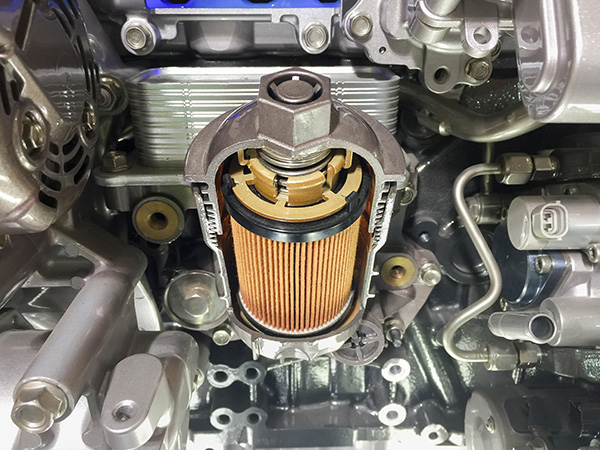
First, find the fuel filter in your vehicle. It usually looks like a small canister. Check the filter’s outside for dirt or rust. A dirty or rusty filter may be clogged inside. Remove the filter carefully to avoid fuel spills. Hold it up to light. If it looks dark or cloudy, dirt blocks it. A clean filter looks clear or lightly tinted.
Checking Fuel Flow
Fuel flow tells if fuel passes through the filter well. Disconnect the fuel line after the filter. Place a container to catch fuel. Turn the engine key to the “on” position without starting. Fuel should flow smoothly into the container. If fuel drips slowly or stops, the filter is clogged. A good flow means the filter is clean.
Examining Fuel Quality
Fuel quality affects filter performance. Check fuel for dirt, rust, or water. Contaminated fuel clogs the filter quickly. Use a clear glass to see the fuel color and clarity. Clean fuel is clear or slightly yellow. Dark or cloudy fuel means impurities. Dirty fuel means the filter needs cleaning or replacement.
Impact On Fuel Efficiency
A clogged fuel filter can reduce fuel efficiency. It limits the flow of fuel to the engine. This makes the engine work harder. The result is more fuel used than usual. This section explains how a blocked fuel filter affects fuel efficiency.
Increased Fuel Consumption
When the fuel filter is clogged, fuel flow decreases. The engine gets less fuel than it needs. To keep running, the engine uses more fuel. This raises fuel consumption. You may notice your car needs gas more often. This is a clear sign of a clogged fuel filter.
Frequent Stalling
A blocked fuel filter can cause the engine to stall. The engine does not get enough fuel to run smoothly. It may stop suddenly or hesitate. This happens more when the car is idle or accelerating. Frequent stalling wastes fuel and lowers efficiency. It also signals the need to check the fuel filter.
Credit: qtucarcare.com
Tools For Diagnosing Fuel Filter Issues
Diagnosing fuel filter problems requires the right tools. These tools help find blockages that reduce fuel flow. Using proper equipment saves time and avoids guesswork. It also ensures your vehicle runs smoothly again.
Using A Fuel Pressure Gauge
A fuel pressure gauge measures the pressure in the fuel system. Low pressure often means a clogged fuel filter. Attach the gauge to the fuel rail or line. Start the engine and watch the pressure reading. Compare it to your vehicle’s specifications. A drop below normal suggests a filter blockage. This tool gives a clear sign of fuel flow issues.
Scan Tool Diagnostics
A scan tool reads data from your car’s computer. It detects fuel system errors and performance issues. Connect the scan tool to the OBD-II port under the dashboard. Look for trouble codes related to fuel delivery. The tool may show codes for low fuel pressure or injector problems. Scan tools provide quick and accurate diagnostics. They help find fuel filter problems without removing parts.
Preventive Maintenance Tips
Keeping your fuel filter clean is key to a healthy engine. Clogged filters cause poor engine performance and can lead to costly repairs. Preventive maintenance helps avoid these problems and keeps your car running smoothly. Simple steps can extend the life of your fuel filter and improve fuel efficiency.
Regular Fuel Filter Replacement
Change your fuel filter as the car manual suggests. Old filters trap dirt and debris, blocking fuel flow. Regular replacement ensures clean fuel reaches the engine. This saves fuel and prevents engine damage.
Using Quality Fuel
Choose fuel from trusted stations. Low-quality fuel contains impurities that clog filters faster. Clean fuel keeps the filter free from dirt. This lowers the risk of engine problems and keeps performance steady.
Routine Vehicle Checkups
Inspect your vehicle regularly for signs of fuel filter issues. Mechanics can spot early problems during routine checkups. Timely detection stops minor issues from becoming major repairs. Regular checks keep your car in top shape.

Credit: www.youtube.com
Frequently Asked Questions
What Are Common Signs Of A Clogged Fuel Filter?
Common signs include engine sputtering, reduced power, and poor acceleration. Your vehicle may stall or hesitate during startup. These symptoms indicate fuel flow restriction, signaling a clogged fuel filter that needs inspection or replacement.
How Can I Test If My Fuel Filter Is Clogged?
You can test by checking fuel pressure with a gauge. Low pressure indicates a blockage. Also, observe for uneven idling or difficulty starting, which often point to a clogged fuel filter affecting fuel delivery.
How Often Should I Replace A Fuel Filter?
Replace your fuel filter every 20,000 to 30,000 miles. This varies by vehicle and driving conditions. Regular replacement prevents clogging, ensuring optimal engine performance and fuel efficiency.
Can A Clogged Fuel Filter Damage My Engine?
Yes, a clogged fuel filter can cause engine misfires and poor combustion. It restricts fuel flow, leading to engine strain and potential damage over time. Timely replacement prevents costly repairs.
Conclusion
A clogged fuel filter can cause many engine problems. Watch for slow starts, rough idling, or poor acceleration. These signs often mean the filter needs checking or replacing. Regular maintenance helps keep your engine running smoothly. Don’t wait for serious issues to appear.
Act early to save time and money. Stay alert to your car’s performance. Taking care of the fuel filter protects your vehicle’s health. Simple steps can prevent costly repairs. Keep your drive safe and reliable every day.


