

You rely on your vehicle every day, and a small problem can quickly turn into a big one. One part you might not think about often is your fuel filter.
But how do you know when it’s time to replace it? Ignoring a clogged or dirty fuel filter can lead to poor engine performance, reduced fuel efficiency, and even costly repairs. You’ll learn the key signs that your fuel filter needs attention—so you can keep your car running smoothly and avoid unexpected breakdowns.
Keep reading to find out what to watch for and why acting early can save you time and money.

Credit: www.youtube.com
Role Of A Fuel Filter
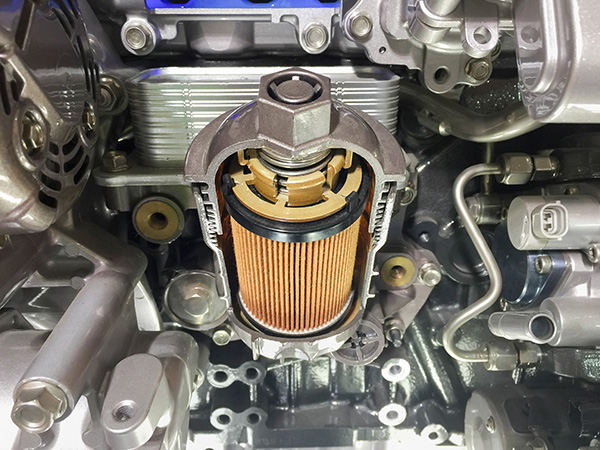
The fuel filter plays a key part in your vehicle’s fuel system. It cleans the fuel before it reaches the engine. Dirt, rust, and other particles can get into the fuel tank. Without a filter, these particles can harm the engine.
The filter stops these impurities from entering the engine. It keeps the fuel clean and safe. This helps the engine run smoothly and last longer.
Fuel Filter Function
The fuel filter traps dirt and debris from the fuel. It acts like a barrier inside the fuel line. Clean fuel flows through it to the engine. This process protects fuel injectors and engine parts. A good filter prevents clogs and damage.
Impact On Engine Performance
A dirty fuel filter can slow down the engine. It makes the engine work harder to get fuel. This can cause poor acceleration and low power. Sometimes, the engine might stall or hesitate. A clean fuel filter ensures smooth fuel flow. This improves engine response and fuel efficiency.
Common Signs Of A Failing Fuel Filter
A fuel filter keeps dirt and debris from reaching your engine. Over time, it can get clogged and stop working well. This affects your car’s performance and fuel flow. Knowing the signs of a failing fuel filter helps you fix the problem early. Here are some common symptoms that show your fuel filter might need replacement.
Engine Misfires Or Hesitation
The engine may misfire or hesitate while driving. This happens because fuel flow is blocked. Your car might jerk or lose power during acceleration. A clogged fuel filter stops smooth fuel delivery. This causes uneven engine running and poor response.
Reduced Fuel Efficiency
Your car may use more fuel than usual. A dirty fuel filter makes the engine work harder. This leads to lower gas mileage. You might notice more trips to the gas station. Fuel economy drops as the engine struggles to get enough fuel.
Difficulty Starting The Engine
Starting your car takes longer or feels harder. A bad fuel filter restricts fuel to the engine. This causes weak or slow starts. Sometimes, the engine may not start at all. The fuel supply must be steady for easy ignition.
Unusual Engine Noises
The engine may make strange sounds while running. Listen for sputtering, knocking, or coughing noises. These sounds mean fuel is not reaching the engine properly. A clogged filter causes uneven fuel flow. This results in unusual engine noises during operation.
Effects Of A Clogged Fuel Filter
A clogged fuel filter causes many problems in your car’s engine. It stops fuel from flowing smoothly. This makes the engine work harder. You may notice your car does not run as well as before.
Fuel filters keep dirt and rust out of your engine. Over time, these filters get dirty and block fuel flow. This blockage leads to poor engine performance and can cause serious damage.
Poor Acceleration
The engine needs a steady flow of fuel to run fast. A clogged filter reduces fuel supply. Your car takes longer to speed up. It feels slow and weak on the road. This can be dangerous in traffic or on highways.
Engine Stalling
Without enough fuel, the engine can stop suddenly. This is called stalling. It may happen when you stop or drive at low speeds. Stalling makes your car unsafe and unreliable. You might have trouble restarting the engine too.
Check Engine Light Activation
The car’s computer senses fuel problems. It turns on the check engine light on your dashboard. This light warns you about engine issues. Ignoring it can lead to bigger repairs. A clogged fuel filter is a common cause of this warning.
Fuel Filter Maintenance Tips
Fuel filter maintenance keeps your engine clean and running smoothly. A clean fuel filter stops dirt and rust from reaching the engine. This helps your car use fuel better and reduces engine problems. Regular care of the fuel filter saves money and extends your vehicle’s life.
Recommended Replacement Intervals
Check your vehicle’s manual for fuel filter replacement times. Most cars need a new fuel filter every 20,000 to 40,000 miles. Driving in dusty or rough areas may need faster changes. Replacing on time avoids clogs and poor engine performance.
Choosing The Right Fuel Filter
Pick a fuel filter that fits your car’s make and model. Use parts approved by the manufacturer. A good quality filter works better and lasts longer. Avoid cheap filters that may cause damage or block fuel flow.
Diy Vs Professional Replacement
Changing a fuel filter yourself can save money. It needs basic tools and some car knowledge. Follow safety steps to avoid fuel spills and fire risk. Professionals have the right tools and experience. They finish the job fast and safely. Choose what fits your skill and comfort level.
Preventing Fuel Filter Issues
Preventing fuel filter issues helps keep your car running smoothly. A clean fuel filter stops dirt and rust from reaching the engine. This saves you from costly repairs and engine problems. Simple care steps extend the life of your fuel filter.
Taking care of your fuel filter also improves fuel efficiency. Your engine gets cleaner fuel, which helps it perform better. Avoiding fuel filter problems means fewer breakdowns and safer drives.
Using Quality Fuel
Good fuel keeps your fuel filter cleaner for longer. Cheap or contaminated fuel clogs the filter quickly. Always choose fuel from trusted stations. This reduces dirt and water in the fuel system. Quality fuel means less strain on your filter and engine.
Regular Vehicle Inspection
Check your fuel filter during routine car inspections. Mechanics can spot early signs of a clogged filter. Replacing the filter before it fails avoids engine trouble. Follow your car’s service schedule for fuel filter checks. Regular inspections keep your fuel system healthy and reliable.
Credit: www.spacecenterautomotive.com

Credit: www.autonationmobileservice.com
Frequently Asked Questions
How Often Should You Replace Your Fuel Filter?
Typically, replace your fuel filter every 20,000 to 30,000 miles. Check your vehicle’s manual for specific intervals. Regular replacement ensures clean fuel flow and engine efficiency. Neglecting it can cause clogging and poor performance.
What Are The Signs Of A Clogged Fuel Filter?
A clogged fuel filter causes engine misfires, hesitation, and stalling. You may notice reduced acceleration and difficulty starting the car. These symptoms indicate restricted fuel flow and the need for filter replacement.
Can A Dirty Fuel Filter Affect Fuel Economy?
Yes, a dirty fuel filter reduces fuel efficiency. It restricts fuel flow, making the engine work harder. This increases fuel consumption and decreases overall mileage. Replacing the filter improves engine performance and saves fuel.
Is It Safe To Drive With A Bad Fuel Filter?
Driving with a bad fuel filter is risky. It can cause engine stalling or failure while driving. This compromises safety and may damage the fuel pump. Replace the filter promptly to avoid breakdowns.
Conclusion
A dirty or clogged fuel filter can cause many car problems. Strange engine noises and poor gas mileage are key signs. Regular checks help keep your car running smooth. Changing the filter on time protects the engine. Don’t ignore warning signs or delays.
A clean fuel filter means better performance and fewer repairs. Keep your vehicle healthy by watching for these simple clues. Taking care of your fuel filter saves money and stress. It’s a small step that makes a big difference in driving.


