
Have you noticed your car acting up lately? Maybe it’s struggling to start, losing power, or stalling unexpectedly.
These could be signs that your fuel filter is causing trouble. But how do you know for sure if your fuel filter is bad? Understanding this can save you from costly repairs and keep your vehicle running smoothly. You’ll discover the key signs to watch for and simple steps to check your fuel filter’s health.
Keep reading to protect your car and avoid unexpected breakdowns.
Credit: www.jiffylube.com
Fuel Filter Function
A fuel filter cleans dirt from the fuel before it reaches the engine. Signs of a bad filter include engine stalling, poor acceleration, or trouble starting. Watch for these to keep your car running smoothly.
What Does A Fuel Filter Do?
The fuel filter cleans dirt and debris from the fuel. It stops tiny particles from reaching the engine. Clean fuel helps the engine run smoothly and last longer.
Without a working fuel filter, dirt can clog the fuel system. This may cause poor engine performance or damage.
Where Is The Fuel Filter Located?
The fuel filter sits between the gas tank and the engine. It can be inside the fuel line or near the fuel pump. Some cars have more than one filter.
Knowing the location helps in checking and replacing the filter when needed.
How Does The Fuel Filter Affect Engine Performance?
A clean fuel filter allows steady fuel flow to the engine. This keeps the engine running strong and steady. A bad filter can block fuel flow, causing engine problems.
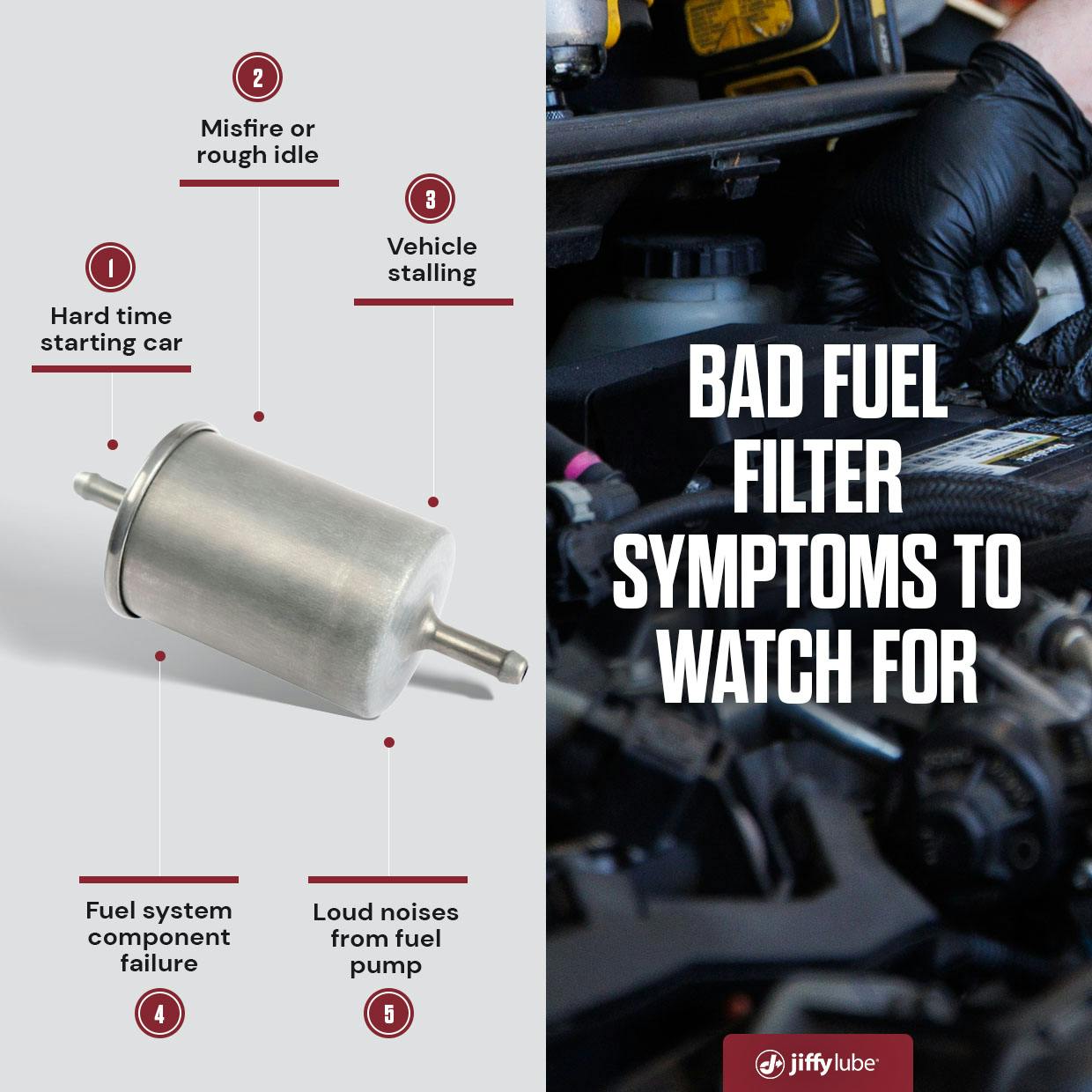
Symptoms like stalling, rough idling, or poor acceleration can mean a clogged filter.

Credit: www.youtube.com
Common Fuel Filter Problems
Fuel filters play a key role in keeping your engine clean. They stop dirt, rust, and debris from entering the fuel system. Over time, these filters can get clogged or damaged. This causes problems that affect how your vehicle runs.
Knowing the common fuel filter problems helps you spot issues early. It can save you from expensive repairs and poor engine performance.
Clogged Fuel Filter
A clogged fuel filter blocks fuel flow to the engine. Dirt and debris build up inside the filter. This makes it harder for fuel to reach the engine. You might notice your car struggles to start or runs rough.
Reduced Engine Power
A bad fuel filter limits fuel supply to the engine. This causes a drop in power, especially during acceleration. The engine may feel weak or slow. This happens because the engine cannot get enough fuel.
Engine Stalling
A dirty fuel filter can cause the engine to stall. The fuel flow becomes inconsistent. Your car may suddenly stop running while driving. This can be dangerous and needs quick attention.
Fuel Pump Strain
A clogged fuel filter forces the fuel pump to work harder. This extra strain can damage the pump over time. A failing fuel pump leads to more serious engine problems.
Poor Fuel Efficiency
A bad fuel filter can reduce fuel efficiency. The engine uses more fuel to run properly. This means you spend more money on gas. Keeping the fuel filter clean helps save fuel.
Engine Performance Issues
Engine performance issues often signal a bad fuel filter. The fuel filter cleans dirt and rust from the fuel. A clogged filter blocks fuel flow. This causes problems with how the engine runs. Recognizing these signs helps you fix the problem early. Here are common engine issues caused by a bad fuel filter.
Difficulty Starting
A dirty fuel filter makes starting the engine hard. The engine may turn over but not start. Fuel cannot reach the engine properly. This causes slow or failed ignition. You might need to try many times to start the car. This is a clear sign the fuel filter is clogged.
Engine Misfires
Engine misfires happen when the fuel supply is uneven. A bad fuel filter causes this problem. The engine may jerk or hesitate while running. Misfires can cause rough idling and poor acceleration. The engine might sound like it skips beats. This issue needs immediate attention to avoid damage.
Loss Of Power
Loss of power happens during driving or climbing hills. The engine struggles to get enough fuel. Acceleration slows down or feels weak. A blocked fuel filter restricts fuel flow. The car may stall or feel sluggish. This symptom shows the fuel filter needs checking or replacing.
Fuel Efficiency Drops
A drop in fuel efficiency is a common sign of a bad fuel filter. The filter cleans dirt and debris from the fuel. When it clogs, fuel flow reduces. The engine then burns more fuel to run.
Low fuel efficiency means you spend more on gas. This problem often starts slowly. You may not notice it at first. Over time, your car uses more fuel for the same distance.
Checking fuel efficiency helps catch fuel filter issues early. Watch your miles per gallon closely. A sudden drop can hint at a clogged filter. Fixing it restores normal fuel flow and saves money.
Reduced Fuel Flow To Engine
A dirty fuel filter blocks fuel from reaching the engine. Less fuel means poor engine performance. The engine works harder to produce power. This extra effort wastes more fuel. Fuel efficiency drops as the engine struggles.
Engine Misfires And Hesitation
Fuel delivery problems cause engine misfires. The engine hesitates during acceleration. These issues use more fuel than normal. Misfires also increase emissions. A bad fuel filter is often the root cause.
Increased Fuel Consumption
More fuel is consumed to maintain speed. The engine runs less efficiently. You notice fuel tank empties faster. Your car needs more frequent refueling stops. This signals a fuel filter problem.
Unusual Engine Noises
Unusual engine noises often signal a problem with your vehicle’s fuel system. The fuel filter plays a key role in keeping the engine clean by blocking dirt and debris. When this filter gets clogged or damaged, the engine may make strange sounds. These noises can warn you about fuel filter issues before bigger problems start.
Sounds that are out of the ordinary should not be ignored. They often mean the engine is struggling to get enough fuel. Knowing what these noises mean can help you act quickly and avoid costly repairs.
Knocking Or Pinging Sounds
Knocking noises can happen when the fuel filter is bad. The engine does not get the right fuel flow. This causes uneven combustion. The result is a knocking or pinging sound from the engine. These sounds may get louder during acceleration or under load.
Hissing Or Sputtering Noises
A clogged fuel filter can cause hissing or sputtering sounds. The engine struggles to get fuel smoothly. This causes the fuel pump to work harder. You might hear these noises especially when starting the engine or driving uphill.
Engine Stalling Or Rough Idling
Rough idling or stalling can come with unusual engine noises. A bad fuel filter restricts fuel flow. The engine may hesitate or stall at low speeds. You might hear popping or coughing sounds during these moments.
Check Engine Light Indicators
The check engine light is a key sign that your fuel filter might be failing. This light alerts you to problems in your car’s engine or fuel system. It helps catch issues before they get worse.
This warning light can turn on for many reasons, but a clogged or dirty fuel filter is a common cause. The fuel filter stops dirt and debris from entering the engine. When it gets blocked, your engine may not get enough fuel.
What Does The Check Engine Light Mean?
The check engine light signals a problem detected by your car’s computer. It can blink or stay steady. A blinking light usually means a serious issue. A steady light means a less urgent problem but still needs attention.
How A Bad Fuel Filter Triggers The Light
A blocked fuel filter limits fuel flow. This causes poor engine performance. Your car’s computer notices this and sets off the check engine light. It may also store error codes related to fuel delivery.
Reading The Error Codes
You can use a code reader to find out why the light is on. Common codes for fuel filter issues include P0171 or P0174, which relate to fuel system problems. These codes help mechanics diagnose the exact fault.
When To See A Mechanic
If the check engine light stays on after refueling or driving, get a mechanic to check it. Do not ignore the light. A bad fuel filter can harm your engine and reduce fuel efficiency.
Visual Inspection Tips
Visual inspection is a simple way to check your fuel filter’s condition. It helps spot signs of damage or clogging early. This can save you from engine problems later. You do not need special tools. Just a good light and careful eyes.
Check For Dirt And Debris
Look closely at the fuel filter surface. Dirt or dark spots mean it may be clogged. A clean filter usually looks bright and smooth. Dust or mud outside can block fuel flow. Clean the area around the filter before inspection.
Look For Rust Or Corrosion
Metal filters can rust over time. Rust weakens the filter and causes leaks. Check for brown or orange patches on the filter. Corrosion may also cause holes or cracks. Replace the filter if you see any rust signs.
Inspect For Cracks Or Damage
Cracks or dents on the fuel filter show wear and tear. These can let dirt enter the fuel system. Check the filter body and connectors carefully. Even small damage can affect performance. Swap the filter if any damage is visible.
Check For Fuel Leaks
Leaks around the filter area mean a bad seal or damage. Look for wet spots or fuel smells near the filter. Leaks reduce fuel pressure and harm engine function. Tighten connections or replace the filter to stop leaks.
Fuel Filter Replacement Frequency
The fuel filter plays a key role in keeping your engine clean. It stops dirt and debris from reaching the engine. Over time, the filter gets clogged and can cause problems. Knowing how often to replace the fuel filter helps avoid engine issues. The right replacement frequency depends on several factors. Understanding these can save time and money.
Manufacturer’s Recommended Schedule
Most car makers suggest a fuel filter change every 20,000 to 40,000 miles. This range fits many driving conditions. Check your vehicle’s manual for exact timing. Following the schedule keeps fuel flow steady. It also prevents engine damage from dirty fuel.
Driving Conditions Impact Frequency
Harsh driving conditions can clog filters faster. Dusty roads, stop-and-go traffic, and short trips wear out filters. In such cases, change the fuel filter more often. Regular checks help spot problems early. Clean fuel filters improve engine performance and fuel efficiency.
Signs Fuel Filter Needs Replacement
Watch for signs like engine misfires, weak acceleration, or hard starts. These may mean a clogged fuel filter. Poor fuel economy can also signal trouble. Timely replacement avoids bigger engine repairs. Don’t wait for a complete breakdown.
Diy Vs Professional Help
Deciding between doing the fuel filter check yourself or hiring a professional can be tough. Both options have clear benefits and challenges. Understanding these will help you choose the best path for your situation.
Advantages Of Diy Fuel Filter Checks
Doing the job yourself saves money on labor costs. You learn more about your vehicle’s parts and how they work. It gives a sense of accomplishment and control over maintenance. Basic tools and simple instructions are enough for many cars. You can spot issues early by checking regularly.
Risks And Challenges Of Diy
Fuel systems can be complex and dangerous. Mishandling fuel may cause leaks or fire hazards. Incorrect filter installation can harm the engine. Some cars require special tools or skills. Mistakes can lead to expensive repairs later.
Benefits Of Professional Help
Professionals have experience and know how to handle fuel systems safely. They use the right tools and follow proper procedures. A certified mechanic can spot other hidden problems. Work is usually faster and done right the first time. Most shops offer warranties on their service.
When To Choose Professional Service
Choose pros if you lack tools or confidence. Complex or newer models often need expert care. If you notice engine trouble after a DIY try, seek help. Safety concerns make professional checks a smart choice. Regular professional service keeps your car running well.
Credit: qtucarcare.com
Frequently Asked Questions
How Can I Tell If My Fuel Filter Is Clogged?
A clogged fuel filter causes engine sputtering and reduced power. Check for rough idling or difficulty starting your vehicle. If you experience these symptoms, have the fuel filter inspected and replaced if necessary.
What Are Common Signs Of A Bad Fuel Filter?
Common signs include engine misfires, poor acceleration, and stalling. You might also notice decreased fuel efficiency. These symptoms indicate restricted fuel flow, often due to a dirty or failing fuel filter.
How Often Should I Replace My Fuel Filter?
Typically, replace the fuel filter every 20,000 to 40,000 miles. However, check your vehicle’s manual for specific recommendations. Regular replacement ensures optimal engine performance and prevents fuel system damage.
Can A Bad Fuel Filter Cause Engine Stalling?
Yes, a bad fuel filter can cause engine stalling. It restricts fuel flow, leading to inconsistent engine performance. If your car stalls frequently, have the fuel filter checked immediately.
Conclusion
A bad fuel filter can cause engine trouble and poor performance. Watch for signs like slow acceleration, rough idling, or strange noises. Check your filter regularly to keep fuel flowing smoothly. Changing it on time saves you from costly repairs.
Trust your car’s behavior—it often tells you what’s wrong. Keep your vehicle running well by staying alert to these symptoms. Simple steps can protect your engine and improve driving safety. Don’t wait until problems get worse. Take action early and drive with confidence.


