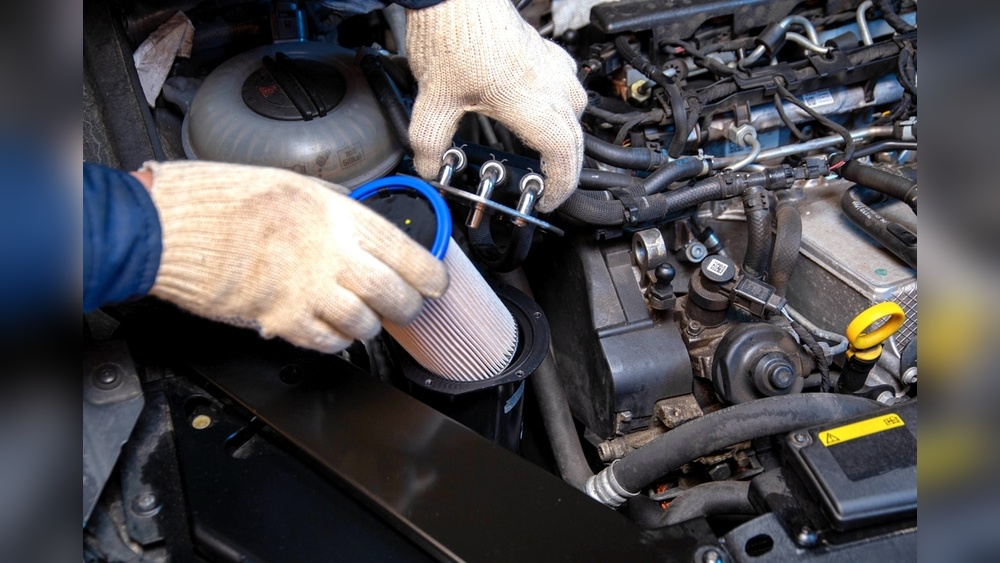
Have you noticed your car acting up lately? Maybe it’s struggling to start, losing power, or stalling unexpectedly.
These frustrating problems might be telling you something important about your fuel filter. But how do you know if the fuel filter is bad? Understanding the signs can save you from costly repairs and keep your vehicle running smoothly. You’ll discover clear, simple ways to spot a failing fuel filter before it causes serious trouble.
Keep reading to protect your ride and avoid unexpected breakdowns.

Credit: www.youtube.com
Fuel Filter Basics
A bad fuel filter can cause many problems in your car’s engine. It stops dirt and debris from reaching the engine. Over time, it can get clogged and reduce fuel flow. This leads to several warning signs you should not ignore. Recognizing these signs early helps you avoid costly repairs and keeps your car running smoothly.
Engine Performance Issues
Your engine may run rough or hesitate during acceleration. Power loss is common when the fuel filter clogs. The engine might stall or jerk suddenly. These problems happen because the engine does not get enough fuel. A bad fuel filter restricts the fuel supply, affecting performance.
Starting Problems
The car may take longer to start or not start at all. A clogged fuel filter blocks fuel from reaching the engine. This makes ignition difficult or impossible. You might hear the starter motor spin without the engine firing up. Starting issues often signal a failing fuel filter.
Reduced Fuel Efficiency
Your car uses more fuel than usual with a bad fuel filter. The engine works harder to get fuel, wasting gas. You may notice you fill the tank more often. Poor fuel efficiency can cost you money and harm the environment. A clogged filter reduces the fuel flow, lowering efficiency.
Unusual Engine Noises
Strange noises like sputtering or knocking may come from the engine. These sounds happen when fuel delivery is uneven or low. The engine struggles to run smoothly without proper fuel flow. Listen carefully for these unusual noises as they can indicate a bad fuel filter.
Credit: www.import-car.com
Warning Signs Of A Bad Fuel Filter
Visual and physical checks help spot fuel filter problems early. These checks are simple and do not need special tools. You can do them yourself to avoid bigger car issues later. Pay attention to signs that show the fuel filter may be bad.
Inspecting The Fuel Filter
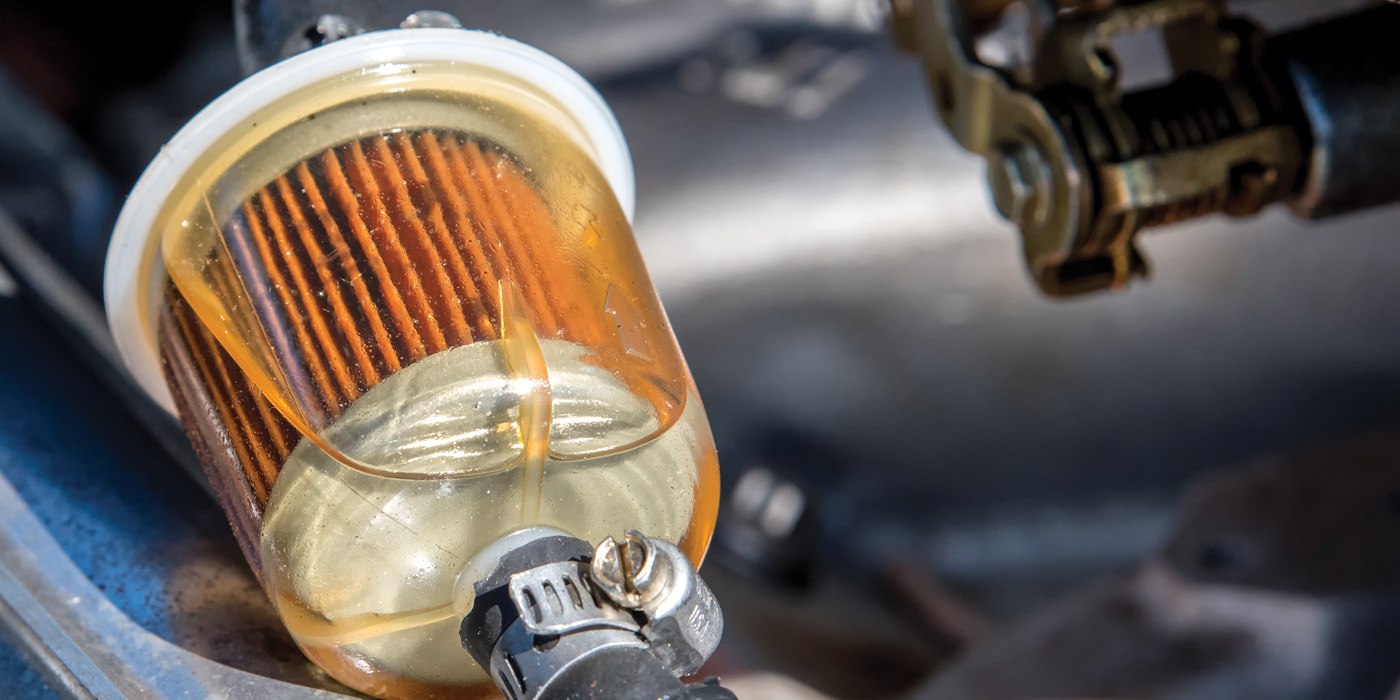
First, find the fuel filter in your vehicle. It usually looks like a small metal or plastic cylinder. Check the filter’s exterior for dirt, cracks, or damage. A dirty or cracked filter can cause fuel flow problems. Look inside if the filter is transparent. Dark or murky fuel means the filter is clogged. Replace the filter if you see these signs.
Checking For Fuel Leaks
Fuel leaks near the filter show a bad seal or damage. Smell for fuel odor near the filter area. Look for wet spots or stains around the filter and fuel lines. Leaks can cause poor engine performance and safety risks. Tighten connections or replace parts if leaks appear. Do not ignore any fuel leaks.
Visual And Physical Checks
Knowing if the fuel filter is bad can save you from engine problems. Diagnostic tools and techniques help find fuel filter issues quickly. These tools show how well the fuel system works. They give clear signs if the filter blocks fuel flow. Using simple tools helps you decide if the filter needs changing.
Using A Fuel Pressure Gauge
A fuel pressure gauge measures the pressure in the fuel system. Low pressure often means the fuel filter is clogged. Connect the gauge to the fuel line. Start the engine and watch the pressure reading. Compare the reading with your vehicle’s manual. If pressure is below the recommended level, the filter may be bad. This tool gives a direct check of fuel flow.
Obd-ii Scanner Insights
An OBD-II scanner reads error codes from the car’s computer. Codes related to fuel delivery can point to a bad fuel filter. Plug the scanner into the car’s port under the dashboard. Turn on the ignition to scan for trouble codes. Look for codes about fuel pressure or injector problems. These codes help narrow down the fuel system issue. The scanner is easy to use and gives quick clues.

Credit: oilchangers.com
Diagnostic Tools And Techniques
Taking care of your fuel filter helps your vehicle run smoothly. Preventive maintenance stops problems before they start. It saves time and money. Knowing how to keep your fuel filter in good shape is important for every driver.
Regular Inspection Schedule
Check your fuel filter every 12,000 to 15,000 miles. Look for dirt, rust, or damage. A quick visual check can catch issues early. Write down inspection dates to track maintenance. Staying on schedule helps avoid sudden breakdowns.
Choosing Quality Replacement Filters
Pick replacement filters from trusted brands. Cheap filters may clog faster or leak. High-quality filters protect your engine better. Read labels to find filters that fit your vehicle. Using the right filter extends engine life and improves fuel efficiency.
Frequently Asked Questions
How Can I Tell If My Fuel Filter Is Clogged?
A clogged fuel filter causes engine misfires and poor acceleration. Your car may hesitate or stall during driving. Check for rough idling and reduced fuel efficiency. These symptoms often indicate a blocked filter restricting fuel flow.
What Are Common Signs Of A Bad Fuel Filter?
Common signs include engine sputtering, stalling, and difficulty starting. You may hear unusual engine noises or experience loss of power. Frequent engine stalls, especially under load, also suggest a failing fuel filter.
How Often Should I Replace The Fuel Filter?
Fuel filters typically require replacement every 20,000 to 40,000 miles. However, check your vehicle’s manual for specific intervals. Replace sooner if you notice symptoms like rough engine performance or poor fuel economy.
Can A Bad Fuel Filter Damage My Engine?
Yes, a bad fuel filter can cause engine damage. It restricts fuel flow, leading to poor combustion and increased engine wear. Prompt replacement prevents costly repairs and maintains engine health.
Conclusion
A bad fuel filter can cause many car problems. Watch for slow engine starts, rough idling, or poor acceleration. Regular checks help keep your car running smooth. Clean filters save fuel and protect the engine. Don’t wait for a breakdown; act early.
Simple steps can prevent costly repairs. Stay alert to your car’s signs. Your engine will thank you.