
Have you noticed your car acting up lately? Maybe it’s struggling to start, losing power, or stalling unexpectedly.
These frustrating signs could mean your fuel filter is bad. But how do you tell for sure? Understanding what a failing fuel filter looks like can save you from costly repairs and keep your vehicle running smoothly. Keep reading, and you’ll learn the simple ways to spot the problem before it gets worse.
Your car—and your wallet—will thank you.

Credit: www.youtube.com
Common Fuel Filter Issues
Fuel filters keep dirt and debris out of your engine. Over time, these filters can wear out or clog. This causes issues that affect your car’s performance. Knowing common fuel filter problems helps you spot trouble early.
Watch for signs that your fuel filter may be bad. Early detection can save your engine from damage. Below are typical problems linked to a failing fuel filter.
Clogged Filter Symptoms
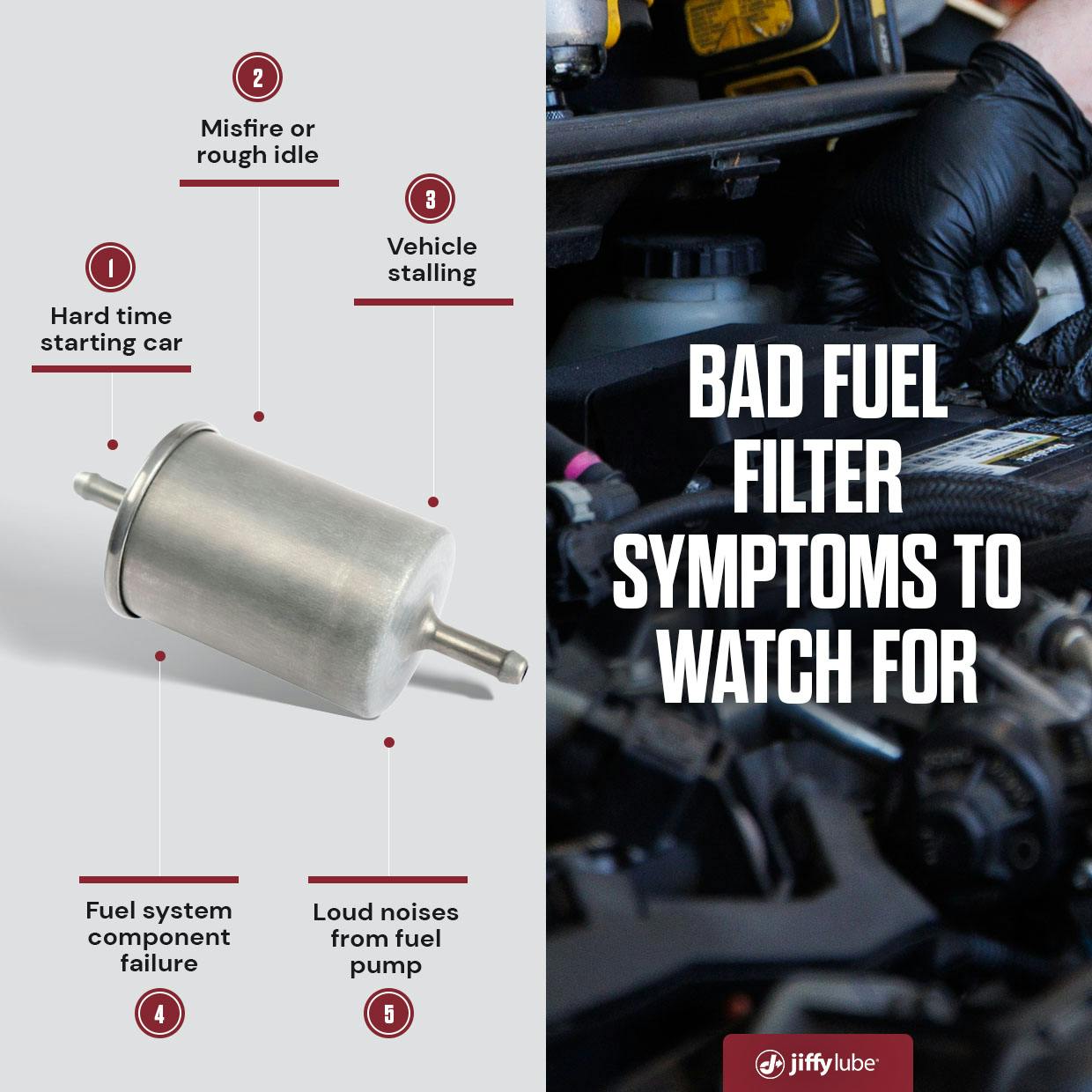
A clogged fuel filter blocks fuel flow. This makes your engine starve for fuel. You may notice your car struggles to start. Sometimes, the engine stalls during driving. Poor fuel delivery causes these issues.
Fuel Flow Problems
Fuel must flow smoothly to power the engine. A bad filter limits this flow. Your car may hesitate or jerk when you press the gas. Low fuel pressure reduces engine power and efficiency. Fuel flow problems often point to filter issues.
Engine Performance Drops
Engine power depends on clean fuel. A dirty filter causes rough running and slow acceleration. Your car may lose speed on hills or under load. Poor engine performance often means the filter needs checking. Fixing the filter restores smooth driving.
Credit: www.jiffylube.com
Visual And Physical Signs
Knowing the visual and physical signs of a bad fuel filter helps keep your car running well. A clogged or damaged fuel filter can cause problems that you can see or hear. Spotting these signs early can save you from costly repairs and breakdowns.
Check Engine Light Indicators
The check engine light often turns on if the fuel filter blocks fuel flow. This light warns you that the engine is not running right. Don’t ignore this warning. A bad fuel filter may cause the engine to misfire or stall.
Unusual Engine Noises
Strange sounds from the engine can mean fuel is not reaching it properly. Listen for sputtering, coughing, or knocking noises. These noises may appear when you start the car or drive at low speeds. They point to fuel delivery problems caused by a dirty filter.
Fuel Smell Around The Vehicle
A strong fuel smell near your car can signal a leaking or damaged fuel filter. This smell may be more noticeable after filling the gas tank. Fuel leaks are dangerous and need quick attention. Watch for wet spots under the car or near the engine.
Impact On Vehicle Performance
A bad fuel filter affects how your vehicle runs. It blocks fuel flow and lowers engine power. This issue creates several problems that reduce driving comfort and safety. Understanding these signs helps you notice fuel filter issues early. It also stops bigger engine problems.
Starting Difficulties
A clogged fuel filter makes starting your car hard. Fuel cannot reach the engine easily. Your engine may crank longer or fail to start. This problem happens more in cold weather. It signals that fuel flow is limited.
Stalling And Hesitation
Your car may stall or hesitate while driving. This happens because the engine does not get enough fuel. You might feel the car jerk or lose power suddenly. These symptoms show the fuel filter is dirty or blocked. It disrupts smooth engine performance and can be dangerous.
Reduced Fuel Efficiency
A bad fuel filter lowers your gas mileage. The engine works harder to get fuel. It burns more fuel than usual. This waste increases your fuel costs. A clean fuel filter helps maintain good fuel economy. Check your fuel filter to avoid wasting gas.
Testing The Fuel Filter
Testing the fuel filter helps find blockages or damage. A bad fuel filter can cause engine problems and poor fuel flow. Checking the filter ensures the engine gets clean fuel. This section covers simple ways to test the fuel filter.
Fuel Pressure Testing
Fuel pressure testing measures how well fuel flows through the filter. Use a fuel pressure gauge on the fuel line. Low pressure shows the filter might be clogged. Normal pressure means the filter is likely fine. This test helps spot flow issues quickly.
Inspecting Fuel Filter Condition
Look at the fuel filter for dirt or rust. Remove the filter carefully before inspection. A dirty or rusty filter needs replacement. Clear filters let fuel pass easily. Visual checks can reveal obvious problems fast.
Professional Diagnostic Tools
Mechanics use advanced tools to test the fuel filter. These tools check fuel flow and pressure precisely. They also scan the engine for related error codes. Professional tools provide accurate results and save time. Trust experts to diagnose tricky fuel issues.
Preventive Measures
Taking steps to protect your fuel filter helps keep your car running smoothly. Preventive measures reduce the risk of a clogged or damaged filter. This saves money and avoids car troubles. Simple habits make a big difference in fuel filter health.
Regular Fuel Filter Replacement
Changing the fuel filter at regular intervals is important. Follow the car manual’s recommended schedule. A fresh filter stops dirt and debris from reaching the engine. It helps maintain good fuel flow and engine performance. Avoid waiting for signs of trouble to replace the filter.
Using Quality Fuel
Choose clean, high-quality fuel from trusted stations. Low-quality fuel can contain impurities that clog the filter. Clean fuel protects the filter and the engine. It also improves fuel efficiency and reduces emissions. Always avoid filling up from unknown or dirty sources.
Scheduled Vehicle Maintenance
Keep up with all scheduled car maintenance tasks. Regular check-ups include inspecting the fuel system and filter. Mechanics can spot early signs of filter problems. Timely action prevents bigger issues and costly repairs. Maintenance protects your vehicle’s overall health and safety.

Credit: www.youtube.com
Frequently Asked Questions
How Can I Recognize A Bad Fuel Filter?
A bad fuel filter causes engine trouble, such as poor acceleration and misfires. You may notice hard starts or stalling. Reduced fuel efficiency is another sign. Check for unusual engine noises and warning lights on the dashboard.
What Are Common Symptoms Of A Clogged Fuel Filter?
Symptoms include engine hesitation, loss of power, and rough idling. The vehicle may stall under load or have difficulty starting. Fuel flow is restricted, affecting engine performance and fuel economy.
How Often Should I Replace My Fuel Filter?
Replace your fuel filter every 20,000 to 40,000 miles or as recommended by the manufacturer. Frequent replacement prevents clogging and protects the fuel system, ensuring smooth engine operation.
Can A Bad Fuel Filter Cause My Car To Stall?
Yes, a clogged fuel filter restricts fuel flow, causing the engine to stall. Stalling often occurs during acceleration or when the engine is under stress. Timely replacement prevents this issue.
Conclusion
A bad fuel filter can cause many car problems. Watch for signs like engine stalling, poor acceleration, or strange noises. Regular checks help keep your car running smooth. Replace the filter if you notice any warning signs. Clean fuel means better engine health and longer life.
Don’t ignore small issues; they can lead to bigger repairs. Stay attentive and maintain your vehicle often. Your car will thank you with better performance and fewer troubles. Simple steps protect your ride and save money in the long run.


