

Your diesel engine works hard every day, and the fuel filter is one of the quiet heroes keeping it running smoothly. But how often should you replace that filter to avoid costly repairs or engine trouble?
If you’re unsure, you’re not alone. Knowing the right timing can save you money, boost your engine’s performance, and give you peace of mind on every drive. Keep reading, and you’ll discover simple, clear answers that help you protect your diesel engine the smart way.
Credit: universalautospares.com.au
Role Of Diesel Fuel Filters
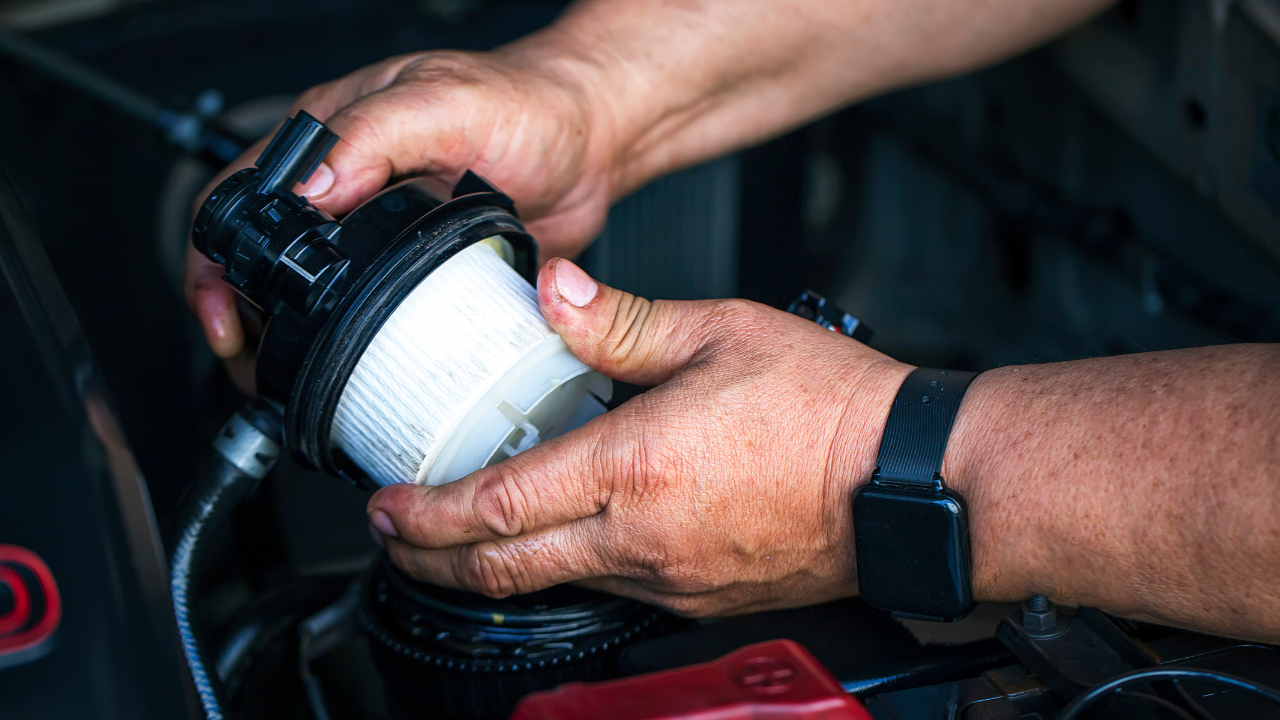
The diesel fuel filter plays a key role in keeping your engine healthy. It stops dirt and particles from entering the fuel system. This helps your engine run smoothly and last longer.
Without a good fuel filter, contaminants can damage parts of the engine. This can cause poor performance and costly repairs. Knowing the role of the fuel filter helps you understand why it needs regular replacement.
Preventing Contaminants
The fuel filter blocks dirt, rust, and water from reaching the engine. Diesel fuel can carry tiny particles that harm engine parts. The filter catches these before they cause damage. Clean fuel means fewer breakdowns and better engine health.
Impact On Engine Performance
A clogged fuel filter reduces fuel flow to the engine. This can cause rough idling, poor acceleration, and stalling. A clean filter helps maintain proper fuel pressure. It keeps the engine running efficiently and saves fuel.
Signs Of A Clogged Fuel Filter
A clogged diesel fuel filter can cause serious engine problems. It blocks fuel flow, making the engine work harder. Recognizing signs early helps avoid costly repairs. Watch for these common symptoms of a clogged fuel filter.
Reduced Engine Power
The engine may lose power during acceleration. It struggles to reach higher speeds. This happens because less fuel reaches the engine. Driving uphill or carrying loads becomes difficult. Reduced power means the fuel filter needs attention.
Difficulty Starting
The engine takes longer to start or fails to start. Fuel flow is limited, so the engine starves for fuel. You might hear the starter turning without the engine firing. This issue often points to a clogged fuel filter.
Unusual Engine Noises
The engine may make strange sounds like sputtering or coughing. These noises happen due to irregular fuel delivery. A clogged filter disrupts smooth engine operation. Listening closely can help spot this problem early.
Recommended Replacement Intervals
Knowing when to replace your diesel fuel filter is key to keeping your engine healthy. The recommended replacement intervals vary. They depend on several factors like the vehicle model, driving habits, and fuel quality. Following these intervals helps avoid engine problems and maintains fuel efficiency.
Manufacturer Guidelines
Vehicle makers provide clear advice on fuel filter changes. Check your owner’s manual for specific timelines. Most recommend changing the filter every 20,000 to 40,000 miles. Sticking to these guidelines ensures proper engine performance. Ignoring them can lead to clogged filters and engine damage.
Driving Conditions Influence
Harsh driving conditions affect filter life. Frequent stop-and-go traffic or dusty roads cause faster clogging. Short trips can also reduce filter efficiency. Drivers in tough conditions may need to replace filters more often. Regular checks help detect issues early and prevent breakdowns.
Fuel Quality Considerations
Low-quality diesel fuel can harm your filter. Contaminants and water in fuel cause blockages. Using cleaner, high-quality fuel extends filter life. If fuel quality is poor, change filters more frequently. This protects the fuel system and keeps the engine running smoothly.
Consequences Of Delayed Replacement
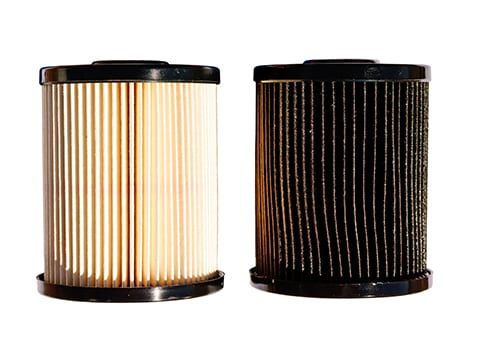
Delaying the replacement of a diesel fuel filter causes serious problems. The filter gets clogged with dirt and debris over time. This blockage affects your engine’s performance and overall vehicle health. Ignoring this maintenance task leads to costly repairs and poor driving experience.
Engine Damage Risks
A dirty fuel filter stops clean fuel from reaching the engine. This causes engine parts to wear out faster. Contaminants can damage fuel injectors and pumps. Repairing these parts is expensive and time-consuming. Regular filter changes protect your engine from harm.
Reduced Fuel Efficiency
A clogged fuel filter makes the engine work harder. This increases fuel consumption and lowers miles per gallon. You spend more money on fuel than necessary. Clean filters help your engine run smoothly and save fuel.
Increased Emissions
Blocked filters cause incomplete fuel burning. This produces more harmful gases and smoke. Higher emissions pollute the air and may fail emissions tests. Changing the fuel filter keeps emissions low and your vehicle cleaner.
Steps To Replace Diesel Fuel Filter
Replacing a diesel fuel filter is a key part of maintaining your vehicle. It keeps the engine clean and running smoothly. Knowing the steps makes the process easier and safer. Below are clear instructions to help you replace the diesel fuel filter properly.
Necessary Tools
Gather these tools before starting:
- New diesel fuel filter
- Wrenches or socket set
- Drain pan to catch fuel
- Clean cloth or rag
- Safety gloves and glasses
- Screwdriver (if needed)
- Fuel line disconnect tool (depends on vehicle)
Safety Precautions
Work in a well-ventilated area to avoid fuel fumes.
Wear gloves and glasses to protect skin and eyes.
Keep a fire extinguisher nearby in case of emergencies.
Turn off the engine and let it cool before starting.
Avoid smoking or open flames near the work area.
Step-by-step Process
First, locate the diesel fuel filter on your vehicle.
Place the drain pan under the filter to catch fuel.
Loosen the fuel lines carefully using the correct tools.
Remove the old filter and dispose of it properly.
Install the new filter, making sure it fits securely.
Reconnect the fuel lines tightly to prevent leaks.
Prime the fuel system if required by your vehicle.
Start the engine and check for any leaks or issues.
Clean the area and dispose of any spilled fuel safely.
Credit: www.waynesautocenter.com
Maintaining Your Diesel Fuel System
Maintaining your diesel fuel system keeps your engine running smoothly. A clean fuel system helps avoid breakdowns and improves fuel efficiency. Paying attention to key parts protects your investment and saves money on repairs.
Regular Inspections
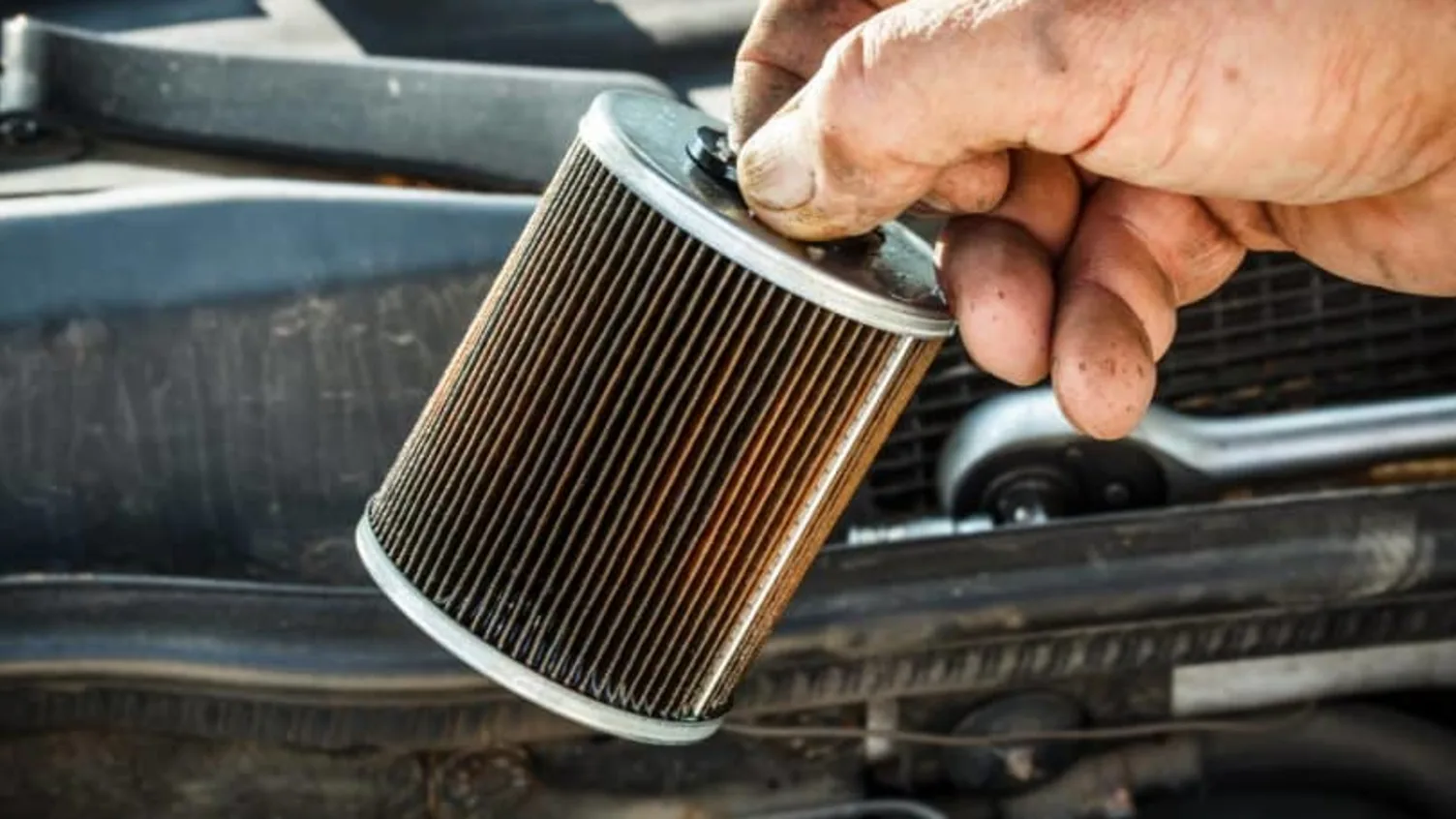
Check your fuel filter and fuel lines often. Look for dirt, rust, or water in the fuel. Early spotting of problems stops bigger damage. Regular checks keep the system clean and reliable.
Using Quality Fuel
Choose clean diesel fuel from trusted sources. Low-quality fuel clogs filters and harms the engine. Good fuel reduces deposits and extends filter life. It also improves engine power and lowers emissions.
Professional Servicing
Have a skilled mechanic service your diesel system regularly. Experts can spot hidden issues and replace worn parts. They ensure the fuel filter works well and fits correctly. Professional care keeps your diesel engine healthy.
Credit: www.bigboxcars.com.au
Frequently Asked Questions
How Often Should You Replace A Diesel Fuel Filter?
Generally, replace your diesel fuel filter every 15,000 to 25,000 miles. Check your vehicle’s manual for specific guidelines. Regular replacement ensures clean fuel flow and prevents engine damage.
What Are Signs Of A Clogged Diesel Fuel Filter?
Common signs include engine misfires, reduced power, rough idling, and difficulty starting. If you notice these symptoms, inspect or replace the fuel filter promptly to maintain engine performance.
Can A Dirty Fuel Filter Damage My Diesel Engine?
Yes, a dirty fuel filter restricts fuel flow, causing poor engine performance and potential damage. Regular replacements protect the engine and improve fuel efficiency.
Does Fuel Quality Affect Diesel Fuel Filter Lifespan?
Absolutely. Poor-quality or contaminated fuel clogs the filter faster. Using clean, high-quality diesel helps extend the filter’s life and keeps the engine running smoothly.
Conclusion
Replacing a diesel fuel filter keeps your engine running smooth. Clean filters stop dirt from damaging parts. Check your vehicle’s manual for the right schedule. Usually, change the filter every 15,000 to 25,000 miles. Watch for signs like slow starts or rough idling.
Regular changes save money by avoiding costly repairs. Keep your diesel engine healthy and efficient. Don’t wait for problems. Change your fuel filter on time. Simple steps help your vehicle last longer and run better.


