

You want your car to shine like new, but waxing by hand can be tiring and time-consuming. What if you could get that perfect, showroom finish faster and with less effort?
Using a buffer to wax your car might be exactly what you need. In this guide, you’ll discover simple steps to achieve a smooth, glossy look that turns heads everywhere you drive. Keep reading, and you’ll learn how to make your car’s paintwork stand out—without spending hours or breaking a sweat.

Credit: www.youtube.com
Preparing Your Car
Preparing your car before waxing is important. It helps the wax stick well and gives a smooth finish. Taking time to prepare saves effort later. Follow these simple steps to get your car ready for waxing with a buffer.
Wash And Dry The Surface
Start by washing your car thoroughly. Use car shampoo and clean water. Remove dirt, dust, and grease from all areas. Rinse well to avoid soap marks. After washing, dry the car completely with a soft towel. A dry surface prevents water spots under the wax.
Inspect For Imperfections
Look closely at the car’s paint. Check for scratches, chips, or stains. Small marks can affect the wax’s look. Fix deep scratches or paint damage first. Use touch-up paint or visit a professional if needed. This step ensures a smooth, shiny finish.
Choose The Right Wax And Buffer Pad
Select wax made for your car’s paint type. Some waxes suit dark colors, others work best on light colors. Match the buffer pad to the wax type. Soft pads work well with liquid wax. Foam or wool pads fit paste wax. Correct choices help protect your car and improve shine.

Credit: www.youtube.com
Setting Up The Buffer
Setting up the buffer is the first step to waxing your car properly. A good setup ensures smooth application and great results. Take your time to prepare the buffer before starting.
Proper setup helps avoid damage to your car’s paint. It also makes the waxing process easier and faster. Follow the steps carefully for the best outcome.
Attach The Correct Pad
Choose a soft foam or wool pad for waxing. Hard pads can scratch the paint. Attach the pad securely to the buffer’s backing plate. Make sure it fits well and stays in place during use.
Adjust Speed Settings
Set the buffer to a low or medium speed. High speeds can cause heat and damage the paint. Start slow to control the wax spread. Increase speed slightly if needed, but keep it safe.
Safety Precautions
Wear gloves and eye protection before using the buffer. Keep the power cord away from the pad to avoid accidents. Work in a shaded area to prevent wax from drying too fast. Always hold the buffer firmly with both hands.
Applying Wax With A Buffer
Applying wax with a buffer makes the process faster and more even. A buffer helps spread the wax smoothly over the car’s surface. It also helps remove minor scratches and gives the car a shiny finish. Using a buffer correctly is important to avoid damage and get the best results.
Follow these steps carefully to apply wax with a buffer safely and effectively.
Apply Wax To The Pad
Start by placing a small amount of wax on the buffer pad. Use about a dime-sized drop to avoid waste. Spread the wax evenly on the pad with your hand before turning on the buffer. This helps cover the pad and prevents splattering.
Start Buffing In Small Sections
Work on one small section of the car at a time. This approach helps you control the wax application better. Move the buffer slowly and steadily over the area. Avoid pressing too hard to protect the paint.
Use Proper Buffing Technique
Hold the buffer flat against the surface. Keep it moving in overlapping circles for full coverage. Maintain a steady speed without stopping in one spot. Check the area often to see the wax spreading evenly.
Buffing Tips And Tricks
Buffing your car with a buffer can give it a smooth, shiny finish. Using the right tips makes the process easier and safer for your paint. Learn these simple tricks to protect your car and get the best results.
Avoiding Swirl Marks
Swirl marks appear as small scratches on the paint. They happen when the buffer moves too fast or presses too hard. Always use a clean, soft pad to stop scratches. Move the buffer slowly and evenly across the surface. Change or clean the pad often to avoid dirt buildup.
Maintaining Consistent Pressure
Pressing too hard can damage the paint. Too little pressure will not buff well. Hold the buffer with steady, even pressure. Let the machine do the work, not your hands. Keep your hands relaxed and avoid pushing down too much. This helps the wax spread smoothly and evenly.
Handling Curved Surfaces
Curves need special care to avoid uneven buffing. Use smaller, circular motions on rounded areas. Keep the buffer pad flat against the surface. Move slowly and watch how the wax spreads. Adjust your speed to match the curve shape. This method keeps the shine smooth and prevents missed spots.
Finishing Touches
After waxing your car with a buffer, the final steps matter a lot. These finishing touches make sure your car looks smooth and shiny. Taking time here improves the wax job and protects your paint.
Removing Residue
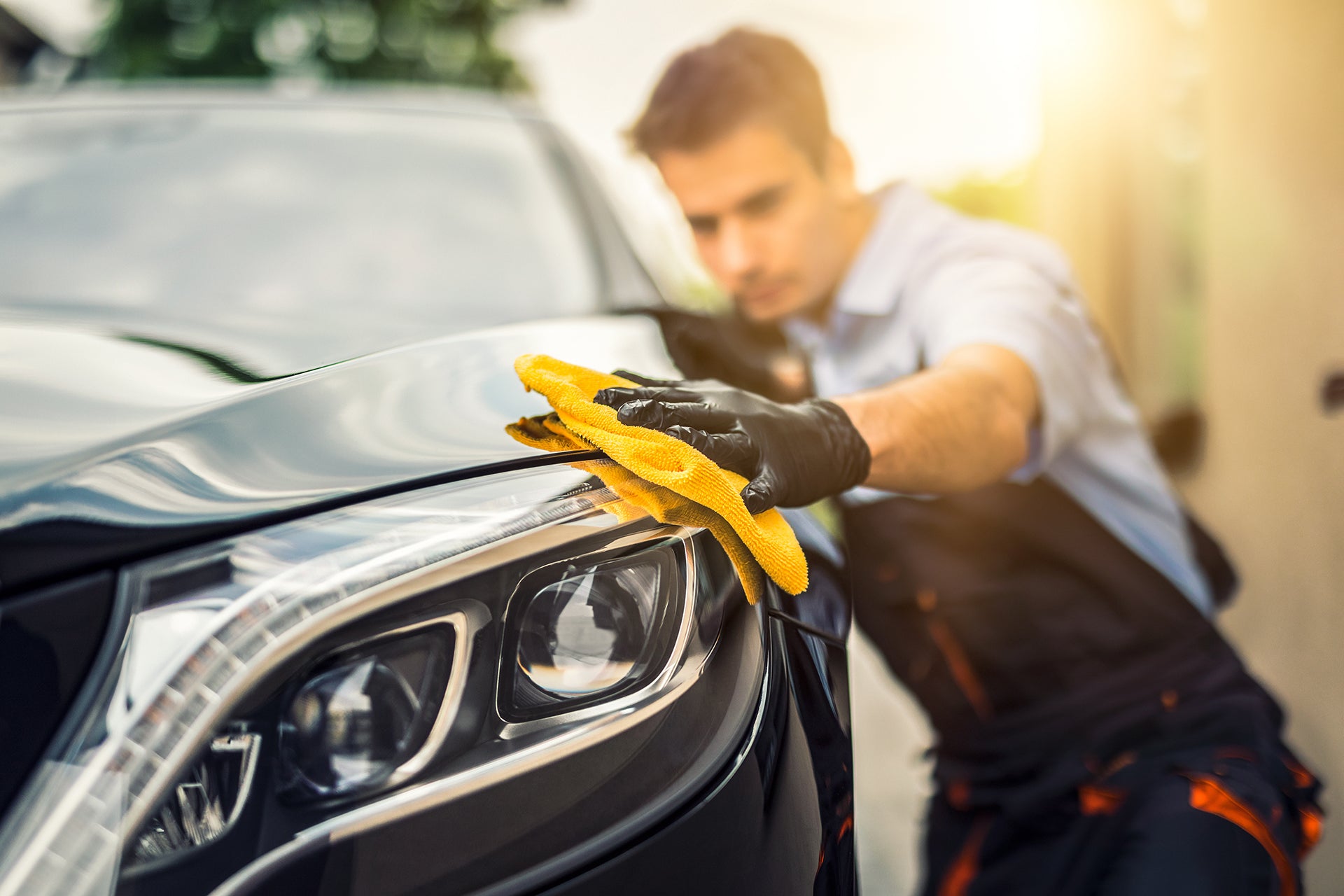
Use a clean, soft microfiber cloth to remove leftover wax. Gently wipe the car’s surface in circular motions. This clears any haze or streaks from the buffer. Avoid pressing too hard to prevent scratches.
Inspecting For Missed Spots
Look closely under sunlight or bright light. Check all panels for dull or uneven areas. If you find spots, apply a small amount of wax. Buff those areas again with your buffer or cloth.
Final Polish For Shine
Use a fresh microfiber cloth for a last polish. Move the cloth in gentle, circular strokes. This step boosts shine and smooths the finish. Your car will look glossy and well-protected.
Credit: cardetailexpress.net
Maintaining Your Wax Job
Maintaining your car’s wax job keeps the shine bright and the paint safe. Wax protects against dirt, water, and sunlight. A good wax job lasts longer with proper care. Follow simple steps to keep your car looking fresh and glossy.
Regular Washing Tips
Wash your car often to remove dust and grime. Use a mild car shampoo and soft cloth or sponge. Avoid harsh detergents that strip wax from paint. Rinse well to clear all soap and dirt. Dry the car with a clean microfiber towel to stop water spots.
When To Reapply Wax
Wax fades after some time due to weather and washing. Check your car’s surface by wiping it with a finger. If water does not bead, it’s time to wax again. Usually, waxing every three months keeps the protection strong. Reapply wax more often in harsh weather or heavy use.
Protecting The Finish
Park your car in shade to avoid sun damage. Use a car cover if you cannot park indoors. Avoid parking under trees where sap or bird droppings fall. Clean off any contaminants quickly to stop paint damage. Treat scratches and chips soon to keep the finish smooth.
Frequently Asked Questions
How Do I Prepare My Car Before Waxing With A Buffer?
Clean your car thoroughly to remove dirt and grime. Dry it completely. Inspect for scratches and fix major issues before waxing.
What Type Of Wax Works Best With A Buffer?
Use a liquid or foam wax designed for buffers. Avoid paste wax as it can clog the pad and damage the paint.
How Long Should I Buff Each Section Of My Car?
Buff each section for 1-2 minutes using slow, even motions. Avoid staying too long to prevent heat damage to paint.
Can I Wax A Car With A Buffer On A Hot Day?
Avoid waxing under direct sunlight or high temperatures. Heat can cause the wax to dry too fast and create streaks.
Conclusion
Waxing your car with a buffer makes the job easier and faster. It helps spread the wax evenly for a smooth, shiny finish. Use light pressure and keep the buffer moving to avoid damage. Take your time and work on small sections at once.
Clean your car well before starting for best results. With practice, your car will look great and stay protected longer. Simple steps lead to a professional-looking shine every time. Try it yourself and enjoy the fresh, polished look.


