

Have you ever wondered how car wax actually sticks to your vehicle’s paint? You might think it just sits on the surface, but there’s a fascinating science behind how wax bonds to your car’s finish.
Understanding this process can help you choose the right wax and apply it correctly, giving your car a shiny, long-lasting protection. Keep reading to discover the secrets behind that smooth, glossy finish you love and learn how to make your car’s paint look its best every time.
Car Wax Basics
Understanding car wax helps you protect your vehicle’s paint. Wax creates a shield that keeps dirt and water away. It also gives your car a shiny, smooth finish. Knowing the basics makes waxing easier and more effective.
Types Of Car Wax
Car wax comes in different forms. Paste wax is thick and lasts long. Liquid wax is easy to apply and quick to dry. Spray wax offers fast coverage but may not last as long. Each type has its own benefits for car care.
Key Ingredients
Natural waxes often use carnauba, a plant-based ingredient. Synthetic waxes include polymers that bond strongly to paint. Some waxes mix natural and synthetic parts. These ingredients help wax stick and protect the car’s surface.
Purpose Of Waxing
Waxing protects paint from sun, rain, and dust. It prevents dirt from sticking to the car. Wax also reduces scratches and keeps the paint bright. Regular waxing keeps your car looking new and clean longer.
Paint Surface Characteristics
The way car wax bonds to paint depends a lot on the paint’s surface. The paint surface has unique features that affect wax adhesion. Understanding these features helps explain why wax sticks and protects effectively. Three important aspects are paint composition, surface texture, and the clear coat.
Paint Composition
Car paint has several layers of chemicals and materials. These layers include pigments that give color and binders that hold the paint together. The composition affects how smooth or rough the paint feels. Different paints may react differently with wax. Some paints allow wax to bond better due to their chemical makeup.
Surface Texture
The paint surface is rarely perfectly smooth. Tiny grooves and pores exist on the paint. These small textures provide places for wax to settle and stick. A slightly rough surface can help wax grip better than a very smooth one. Surface texture plays a key role in how strong the wax bond becomes.
Role Of Clear Coat
The clear coat is the top layer of paint on most cars. It protects the colored paint underneath from damage and fading. Clear coats are usually glossy and smooth. This smoothness helps wax spread evenly and form a protective layer. Clear coats also influence how long wax stays bonded to the paint.
Wax Bonding Process
The wax bonding process is key to protecting a car’s paint. It creates a layer that shields the surface from dirt and damage. Understanding how wax bonds to paint helps you care for your car better.
Wax forms a strong bond through both chemical and physical means. This bond keeps the wax in place for weeks. Let’s explore how this bonding happens in detail.
How Wax Adheres
Wax sticks to the paint by filling tiny pores and grooves. These small spaces on the paint give the wax a place to hold on. The wax spreads evenly, creating a smooth, continuous layer. This layer protects the paint beneath.
Chemical Interactions
The wax and paint surface interact chemically. Some waxes contain ingredients that bond at a molecular level. These bonds add strength to the wax layer. Chemical bonding helps the wax resist washing off or fading.
Physical Bonding Factors
Physical forces also play a role in wax bonding. Surface tension helps the wax stick tightly to the paint. Temperature and humidity affect how well the wax sets. A clean and dry surface improves wax adhesion.
Credit: blisscarwash.com
Factors Affecting Wax Bond Strength
The strength of a car wax bond depends on several important factors. These factors affect how well the wax sticks to the paint. Strong bonds protect the paint longer and give a shiny finish. Understanding these factors helps in applying wax correctly. It also helps in keeping the car looking new for more time.
Surface Preparation
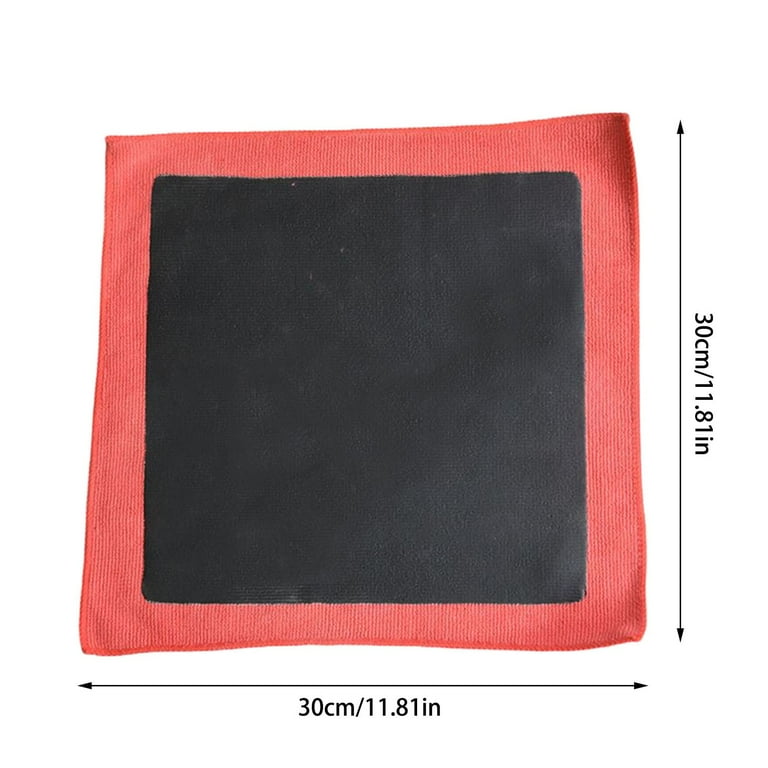
Clean paint surfaces hold wax better. Dirt, dust, and old wax can block wax from bonding. Washing and drying the car before waxing is essential. Sometimes, clay bars or polish remove deeper impurities. A smooth, clean surface allows wax to stick tightly.
Application Techniques
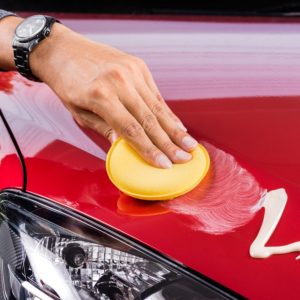
Applying wax correctly improves bond strength. Use thin, even layers instead of thick coats. Applying wax in small circular motions helps it spread well. Let the wax dry to the right time before buffing. Proper technique ensures wax adheres firmly to the paint.
Environmental Conditions
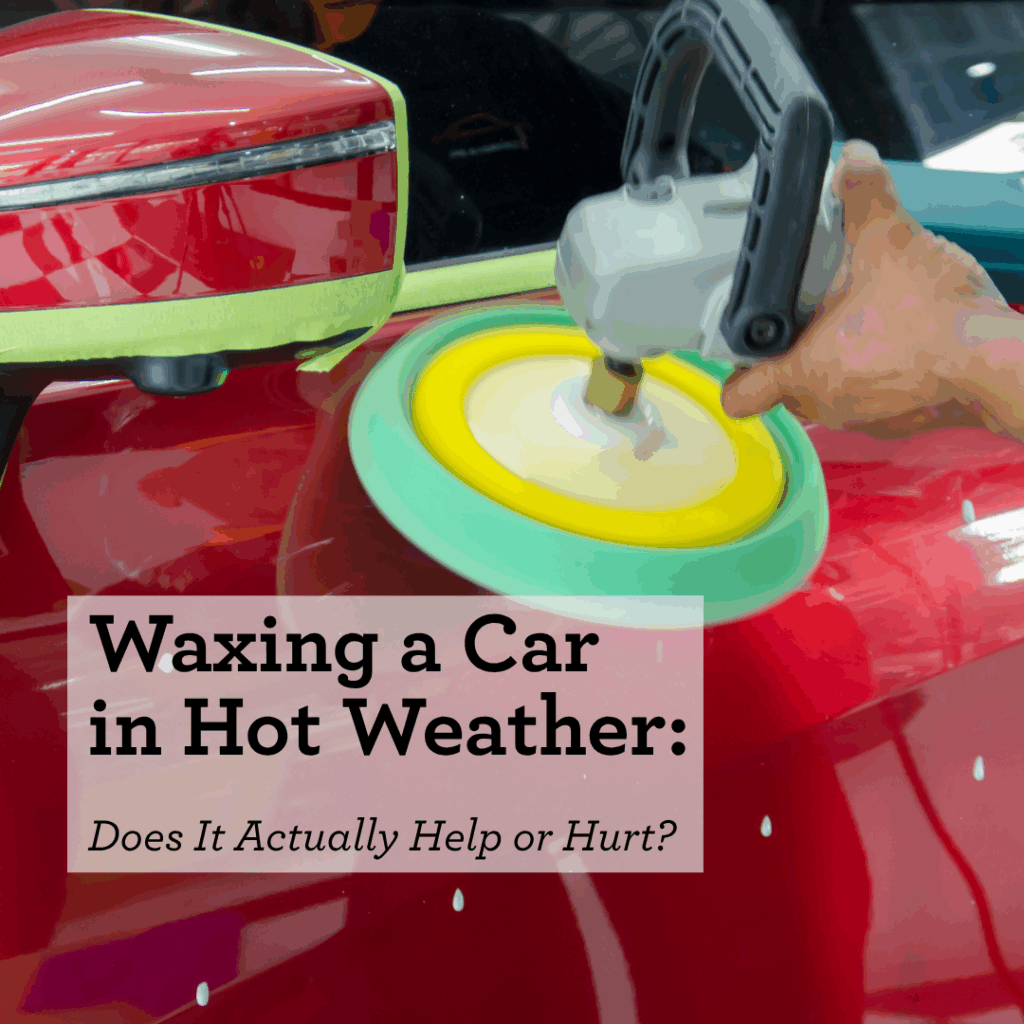
Temperature and humidity change how wax bonds. Wax sticks better in cool, dry conditions. Hot surfaces can make wax melt and slide off. Avoid waxing under direct sunlight or on wet paint. Ideal conditions help wax form a strong, lasting layer.
Enhancing Wax Durability
Wax on a car paint does more than shine. It protects the surface from dirt, sun, and water. But wax does not last forever. Enhancing wax durability helps keep that fresh look longer. A few smart steps can make wax stick better and last more days.
Layering Wax
Applying wax in thin layers builds a strong shield. Each layer bonds to the one below it. Wait for the first layer to dry before adding the next. This stacking makes the wax hold tight on the paint. Layering also boosts shine and smoothness.
Using Sealants
Sealants act like a guard over wax. They form a hard, protective coat on top. Sealants keep wax safe from rain and dust. Use sealants after waxing for extra defense. This combo keeps paint safe for many weeks.
Maintenance Tips
Clean the car gently to keep wax strong. Use soft cloths and mild soap only. Avoid harsh chemicals that can strip wax off. Wash the car often to stop dirt build-up. Reapply wax every few months to refresh protection.
Credit: www.walmart.com
Common Waxing Mistakes
Waxing a car protects its paint and keeps it shiny. Many people make simple mistakes that reduce wax’s effectiveness. Avoiding these errors helps the wax bond better with the paint. Here are some common waxing mistakes to watch out for.
Over-application
Applying too much wax causes problems. Thick layers take longer to dry and can smear. Excess wax can leave streaks or cloudy spots on the paint. Use a thin, even layer for the best results. A little wax goes a long way.
Ignoring Surface Cleanliness
Wax sticks best to a clean surface. Dirt, dust, and old wax block the bond between wax and paint. Skipping washing or drying leaves residue behind. Always clean the car thoroughly before waxing. The cleaner the surface, the stronger the wax bond.
Using Incompatible Products
Not all waxes and cleaners work well together. Some chemicals can break down wax or damage paint. Using the wrong product can prevent wax from bonding properly. Choose wax and cleaning products made for your car’s paint type. Check product labels before use for compatibility.
Signs Of Wax Breakdown
Wax protects a car’s paint by forming a thin, glossy layer. Over time, this layer wears off. Knowing the signs of wax breakdown helps keep the paint safe. Here are key signs that show your car wax is losing its power.
Dullness And Fading
The paint looks less shiny and bright. The wax layer no longer reflects light well. This dullness means the wax is wearing away. The paint may also start to look faded. This happens because the wax stops protecting the color.
Water Beading Loss
One main wax job is to make water bead up. When wax breaks down, water spreads out instead. The car surface may stay wet longer. This shows the wax is not sealing the paint properly. Water beading loss is a clear wax failure sign.
Surface Contamination
Wax protects against dirt and grime. Once it breaks down, dirt sticks more easily. You may see more spots or stains on the paint. Contaminants like bird droppings and dust harm the surface. This damage happens faster without a strong wax layer.
Credit: diamondautobodyreno.com
Choosing The Right Wax
Choosing the right wax for your car is important. The right wax protects the paint and makes your car shine. Different types of wax work better on different paints. Your budget also plays a role in what wax you select. Understanding these factors helps you pick the best wax for your car.
Synthetic Vs Natural
Synthetic wax is made from man-made chemicals. It lasts longer and resists water well. It also protects better in harsh weather. Natural wax comes from carnauba, a plant. It gives a deep, warm shine. But it may not last as long as synthetic wax. Choose synthetic for durability. Pick natural for a classic shine.
Wax For Different Paints
Cars have various paint types. Some paints are soft and need gentle wax. Others are hard and can handle stronger wax. Clear coat paints are common and work well with both wax types. Metallic paints need wax that enhances shine. Check your car’s paint before buying wax. The right match protects better and looks great.
Budget Considerations
Wax prices vary widely. High-end waxes cost more but last longer. Budget waxes are cheaper but may need frequent reapplication. Think about how often you want to wax your car. Choose a wax that fits your budget and your schedule. Spending a little more can save time in the long run.
Frequently Asked Questions
How Does Car Wax Chemically Bond To Paint?
Car wax bonds through hydrophobic interactions and polymer adhesion. Its molecules align with paint’s surface, creating a protective, water-resistant layer. This layer enhances shine and shields paint from UV rays, dirt, and moisture, preserving your car’s finish effectively.
Why Is Paint Surface Preparation Important Before Waxing?
Preparing the paint removes dirt, oils, and old wax, ensuring better wax adhesion. Clean surfaces allow wax molecules to bond directly with the paint, improving durability and shine. Skipping prep weakens the wax layer and reduces protection.
How Long Does Car Wax Typically Bond To Paint?
Car wax usually bonds to paint for 4 to 8 weeks. Duration depends on wax type, weather, and driving conditions. Proper application and maintenance extend protection and keep paint glossy longer.
Can Wax Improve Paint’s Resistance To Environmental Damage?
Yes, wax forms a protective barrier against UV rays, acid rain, and road grime. This barrier prevents fading, oxidation, and minor scratches. Regular waxing helps maintain your car’s paint integrity and appearance.
Conclusion
Car wax bonds to paint by filling tiny surface pores. This creates a smooth, protective layer on your car. The wax sticks because it melts slightly and hardens again. This helps guard against dirt, water, and sun damage. Regular waxing keeps your car looking shiny and new.
A clean surface helps the wax bond better. Remember, good waxing protects your paint and keeps it healthy. Simple steps can make a big difference for your car’s finish. Try waxing often for the best results.


