

Have you ever wondered how rim covers stay firmly attached to your wheels, even when you’re driving at high speeds or over bumpy roads? You might think they just snap on and stay put by chance, but there’s actually clever engineering behind it.
Understanding how these covers cling tightly to your wheels can help you take better care of them and avoid annoying slips or damage. Keep reading, and you’ll discover the simple yet smart ways rim covers stay secure—knowledge that every car owner should have.
Types Of Rim Covers
Rim covers come in different types to fit various wheels and styles. Each type stays on the wheel using a specific method. Understanding these types helps you choose the right rim cover for your vehicle.
Plastic Hubcaps
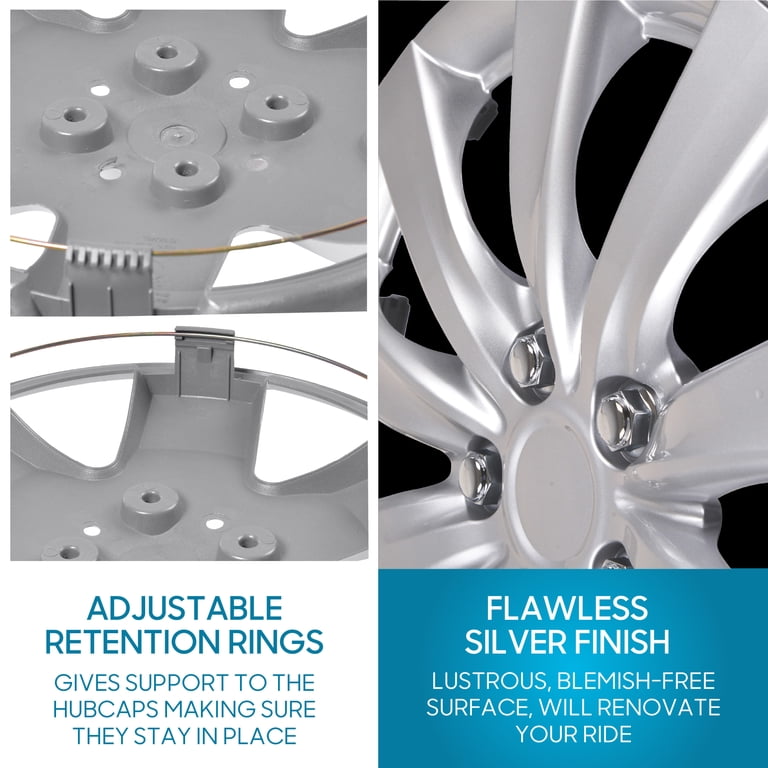
Plastic hubcaps are the most common type of rim covers. They are lightweight and affordable. These covers clip onto the wheel using small metal or plastic clips. The clips hold the hubcap tightly around the rim. This design keeps the cover secure during normal driving. Plastic hubcaps can be easily removed for maintenance or wheel changes.
Metal Rim Covers
Metal rim covers are heavier and more durable than plastic ones. They often use screws or bolts to attach firmly to the wheel. This method ensures a strong hold and prevents the cover from falling off. Metal covers offer a sleek, polished look and resist damage better. They are ideal for vehicles that need extra protection for their wheels.
Snap-on Covers
Snap-on covers use a simple snap mechanism to stay in place. These covers have flexible edges that snap over the wheel rim. The snug fit keeps the cover secure without extra tools. Snap-on covers are easy to install and remove. They provide a quick way to change a wheel’s appearance or protect it from dirt.
Credit: www.walmart.com
Attachment Methods
Rim covers stay on wheels using different attachment methods. These methods keep the covers secure during driving. Each method offers a unique way to hold the cover firmly in place. Understanding these helps you choose the right type for your vehicle.
Clip-on Mechanisms
Clip-on rim covers use small clips around the edge. These clips snap into the wheel rim. They hold the cover tightly without extra tools. This method allows easy removal and installation.
Clip-on covers fit snugly and resist falling off. They work best for smooth, standard wheel designs. The clips are strong but gentle on the wheel surface.
Bolt-on Designs
Bolt-on rim covers attach using bolts or screws. This method offers a very secure fit. Bolts go through the cover into the wheel rim holes.
This design prevents the cover from spinning or moving. It requires tools to install and remove. Bolt-on covers suit tough driving conditions well.
Adhesive Solutions
Adhesive rim covers use strong glue or tape. The glue sticks the cover directly to the wheel surface. This method works best for smooth, clean wheels.
Adhesive covers are easy to install. They do not need clips or bolts. The adhesive holds the cover firmly but may leave residue when removed.
Material And Design Factors
Rim covers stay on wheels due to careful choices in material and design. These factors make sure the cover fits well and stays secure. The right materials offer strength and flexibility. Thoughtful design keeps the cover in place during rides. Understanding these details helps explain how rim covers work.
Durability And Flexibility
Rim covers are made from tough plastics or rubber. These materials resist cracks and breaks from bumps. Flexibility allows the cover to bend slightly. This helps it snap onto the wheel rim firmly. Durable materials also protect against weather damage and wear.
Fit And Size Precision
Manufacturers create rim covers in exact sizes. This precision ensures a tight fit around the wheel. The cover grips the rim edges to avoid slipping off. A loose cover can fall during driving. Proper sizing keeps the cover stable and secure at all times.
Aerodynamic Considerations
Designers shape rim covers to reduce air drag. Smooth surfaces and curves help air flow better. This reduces wind resistance and improves vehicle efficiency. Aerodynamic designs also help keep the covers steady at high speeds. A stable cover means safer and smoother rides.

Credit: www.ebay.com
Common Challenges
Rim covers face several common challenges that affect how well they stay on the wheel. These challenges can cause covers to loosen or fall off during use. Understanding these issues helps in choosing and maintaining rim covers properly.
Weather Impact
Weather changes can make rim covers expand or shrink. Heat can cause plastic covers to soften and fit loosely. Cold weather can make them brittle and prone to cracking. Rain and snow add moisture that may cause rust on metal parts. These factors reduce the grip of rim covers on wheels.
Wear And Tear
Rim covers get worn out from constant friction and road debris. Scratches and dents weaken their structure and fit. Over time, clips or fasteners may break or loosen. Dirt buildup also reduces the cover’s ability to hold tightly. Regular checks and cleaning are necessary to prevent damage.
Security Concerns
Rim covers can be easy targets for theft. Simple clip designs are often removed without tools. Lack of locking mechanisms makes it harder to keep covers secure. Some covers may not fit tightly enough to stay on during quick theft attempts. Security features help keep covers in place and protect your wheels.
Tips For Secure Installation
Installing rim covers correctly ensures they stay on the wheel firmly. Proper installation prevents them from falling off during driving. Follow simple steps to achieve a secure fit and long-lasting hold.
Each step helps keep the rim covers in place and protects your wheels.
Checking Compatibility
Choose rim covers that fit your wheel size exactly. Measure your wheels before buying covers. Covers made for different sizes can slip or not fit well. Check the product description for size details. Using the right size helps covers stay secure and look good.
Proper Alignment Techniques
Align the rim cover with the wheel carefully. Match the cover’s clips or hooks to the wheel’s edges. Press the cover evenly around the wheel. Avoid forcing it in one spot. Even pressure helps the cover snap into place. Test by gently pulling the cover to check if it holds tight.
Maintenance And Care
Clean the rim covers regularly to remove dirt and grime. Dirt can loosen the grip over time. Inspect clips and fasteners for damage or wear. Replace broken parts quickly to keep covers secure. Store extra covers in a dry place to avoid damage.
Aftermarket Vs. Oem Rim Covers
Aftermarket and OEM rim covers differ in many ways. Both types fit on wheels but serve different needs and budgets. Understanding these differences helps you choose the right rim cover for your car.
Quality Differences
OEM rim covers come from the car maker. They match the wheel size and style perfectly. Their materials are tested for durability and fit. Aftermarket covers vary in quality. Some are close to OEM, but others use cheaper plastic. Poor quality covers may crack or fall off easily.
Cost Implications
OEM rim covers cost more. Their price reflects precise design and material quality. Aftermarket covers are cheaper. They offer budget-friendly options but may need frequent replacement. Spending a bit more on OEM covers can save money in the long run.
Installation Ease
OEM covers fit easily without extra work. They clip on securely and stay put. Aftermarket covers may need adjustments. Some require extra clips or adhesive for a tight fit. Poor installation can cause covers to come loose while driving.

Credit: ygeias-merimna.gr
Frequently Asked Questions
How Do Rim Covers Attach To Wheels Securely?
Rim covers use clips or retention rings to snap firmly onto the wheel rim. This ensures they stay in place during driving and resist falling off from road vibrations or speed.
Can Rim Covers Stay On At High Speeds?
Yes, rim covers are designed to withstand high speeds. Their secure clip mechanisms prevent them from detaching, making them reliable for highway driving and long-distance travel.
Are Adhesive Strips Used To Keep Rim Covers On?
Some rim covers use adhesive strips for added security. These adhesives complement clips, providing extra grip and ensuring the cover doesn’t loosen or fall off easily.
Do Rim Covers Damage The Wheel When Attached?
Properly fitted rim covers do not damage wheels. They are made to fit snugly without scratching or causing corrosion, preserving the wheel’s appearance and functionality.
Conclusion
Rim covers stay on wheels through clips and tight fitting designs. They snap securely into place, holding firm during drives. This keeps wheels looking clean and protects them from dirt. Proper installation is key to avoid covers falling off. Regular checks help keep them secure over time.
Understanding how rim covers attach helps maintain your car’s style easily. Simple and effective, rim covers blend function with appearance well.

