

Are you looking to give your car’s interior a fresh, stylish look without spending a fortune? Installing vinyl wrap on your car’s interior is a smart and affordable way to transform your ride instantly.
But how do you get a smooth, professional finish without bubbles or wrinkles? In this guide, you’ll discover simple, step-by-step instructions that anyone can follow—even if you’ve never worked with vinyl before. By the end, you’ll know exactly how to handle your car’s surfaces like a pro, saving money and boosting your confidence.
Ready to upgrade your interior and turn heads every time you drive? Let’s dive in.
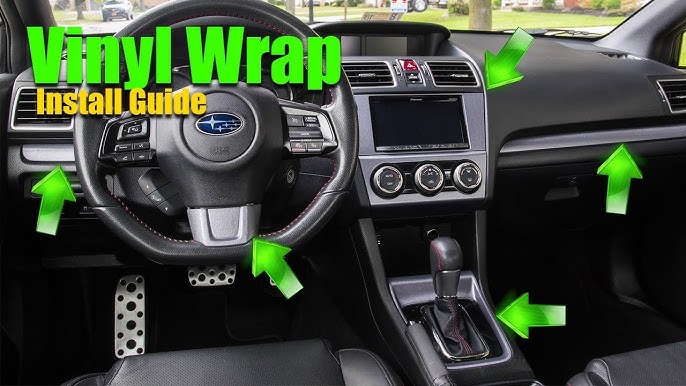
Credit: www.youtube.com
Tools And Materials Needed
Installing vinyl wrap on your car interior needs the right tools and materials. This section covers everything you need to start the project easily. Proper preparation saves time and improves results.
Choosing The Right Vinyl Wrap
Select vinyl wrap made for car interiors. Look for high-quality, flexible vinyl with a strong adhesive. Matte, gloss, or textured finishes offer different styles. Pick a wrap that resists heat and sunlight. Measure your car parts before buying to get enough material.
Essential Tools For Installation
Gather tools to handle the vinyl smoothly. You need a squeegee to remove air bubbles and smooth the wrap. A heat gun helps soften vinyl for tight corners. Use a sharp utility knife for clean cuts. Microfiber cloths keep surfaces clean. Gloves protect your hands from heat and adhesives.
Preparing The Workspace
Work in a clean, dust-free area with good light. Clear space helps avoid dirt on the vinyl. Clean your car interior thoroughly. Remove dust, grease, and old residues. Warm the room to help vinyl stretch easily. Organize tools and materials for quick access during installation.
Preparing The Car Interior
Preparing the car interior is the first step in a smooth vinyl wrap installation. It helps the vinyl stick well and last longer. Careful preparation prevents bubbles and peeling later.
Clean, dry, and smooth surfaces make wrapping easier. Removing some parts can give better access to tricky areas. Handle all parts gently to avoid damage.
Cleaning And Degreasing Surfaces
Start by wiping the interior with a soft cloth. Use a cleaner made for car interiors. Avoid oily or waxy products. They stop the vinyl from sticking well.
Spray a degreaser on tough spots. Rub gently to remove dirt and grease. Let the surface dry fully before wrapping.
Removing Interior Panels
Take off panels that block your work area. Use the right tools like screwdrivers or trim tools. Keep screws and clips safe to reuse later.
Work slowly to avoid breaking clips or plastic parts. Removing panels can make corners and edges easier to wrap.
Handling Delicate Components
Be careful with buttons, switches, and vents. These parts can break or get stuck. Cover them with soft cloths or remove if possible.
Keep wires and connectors safe. Avoid pulling or bending them too hard. Gentle handling saves you from extra repairs.
Cutting And Measuring Vinyl
Cutting and measuring vinyl is a key step in wrapping your car’s interior. It ensures the vinyl fits perfectly and looks smooth. Precise measurements prevent mistakes and save material. Take your time to get this step right.
Taking Accurate Measurements
Use a flexible tape measure to follow curves and edges. Measure each part twice to avoid errors. Write down the measurements clearly. Note the length, width, and any special shapes or angles. Accurate numbers help you cut vinyl that fits well.
Marking And Cutting The Wrap
Lay the vinyl flat on a clean surface. Use a pencil or masking tape to mark your measurements. Cut slowly with a sharp utility knife or scissors. Keep your hand steady for straight edges. Cut slightly larger pieces to allow for adjustments.
Tips For Avoiding Waste
Plan your cuts to use vinyl efficiently. Group smaller parts close together on the vinyl sheet. Avoid cutting large pieces without measuring first. Save leftover vinyl for future small repairs. Careful cutting reduces waste and saves money.

Credit: www.vehiclewrapping.com
Applying The Vinyl Wrap
Applying vinyl wrap to your car interior takes patience and a steady hand. This step changes the look inside your car without permanent changes. You need to work carefully to get a smooth, neat finish that lasts. Follow these tips to place and shape the vinyl wrap correctly.
Positioning The Vinyl Correctly
Start by peeling a small section of the vinyl backing. Place this edge on the surface gently. Align it with the edges and curves of the area you want to cover. Work slowly to avoid folding or stretching the vinyl too much. Use your hands to press the vinyl lightly in place before fully removing the backing.
Using Heat To Shape The Wrap
Heat softens the vinyl, making it easier to bend around curves and corners. Use a heat gun or hair dryer on low heat. Move the heat source back and forth evenly. Avoid staying too long in one spot to prevent damage. As the vinyl warms, stretch it gently to fit the shape of the car interior.
Smoothing Out Air Bubbles And Wrinkles
Use a squeegee or a soft cloth to push out air bubbles and wrinkles. Start from the center and move toward the edges. Work slowly to remove any trapped air. Small bubbles may disappear after some time, but big ones need extra smoothing. Take care not to tear the vinyl during this step.
Finishing Touches
The finishing touches are crucial for a neat vinyl wrap job. This step makes your car interior look clean and professional. Take your time here to ensure the best results. Small details can make a big difference in the final appearance.
Trimming Excess Vinyl
Carefully trim the extra vinyl around edges and corners. Use a sharp blade to avoid tearing the wrap. Cut close to the edge but do not damage the surface underneath. Smooth out any rough spots with your fingers or a soft cloth. This step helps the wrap fit perfectly.
Reinstalling Interior Panels
Put back all the interior panels you removed earlier. Align each piece carefully before securing it in place. Press firmly to ensure the wrap stays flat and smooth. Double-check that no vinyl is trapped under the panels. This keeps the wrap looking seamless and clean.
Final Inspection And Cleaning
Look over the entire wrapped area for bubbles or loose edges. Use a heat gun or hairdryer on low to fix small bubbles. Clean the surface with a soft cloth and mild cleaner. Avoid harsh chemicals that can damage the vinyl. Your interior should now look fresh and well-finished.
Common Mistakes To Avoid
Installing vinyl wrap on your car interior can change its look completely. Many people try this DIY project but face issues. These problems often come from common mistakes. Avoiding these errors helps you get a smooth, lasting finish.
Ignoring Surface Preparation
Clean the surface well before wrapping. Dirt and grease stop the vinyl from sticking. Use a mild cleaner and dry the area fully. Rough spots or old glue can show under the wrap. Sand or smooth these areas first. Proper preparation makes the wrap look smooth and neat.
Applying Wrap Too Quickly
Take your time when applying the vinyl. Rushing leads to bubbles and wrinkles. Start from one edge and slowly press the vinyl down. Use a squeegee to smooth out air pockets. Small, careful steps give the best result. Patience helps the wrap fit perfectly around curves.
Skipping Heat Application
Heat softens the vinyl, making it easier to shape. Use a heat gun or hair dryer. Warm the vinyl gently, especially on curves and edges. Without heat, the vinyl may not stick well or may peel later. Proper heat use ensures a tight, strong bond to the surface.
Maintenance Tips For Vinyl Wrap
Vinyl wrap on your car interior looks great but needs care to stay fresh. Proper maintenance keeps it smooth and bright for years. Follow simple steps to protect your vinyl wrap from damage and wear.
Cleaning Without Damage
Use a soft cloth or microfiber towel for cleaning. Avoid harsh chemicals or abrasive cleaners. Mild soap and water work best to remove dirt and dust. Gently wipe the surface without scrubbing hard. Dry the wrap with a soft towel to prevent water spots.
Protecting From Sun And Heat
Keep your car out of direct sunlight when possible. Intense sun and heat can fade or warp the vinyl. Use sunshades inside your car to shield the wrap. Park in shaded areas or garages to reduce heat exposure. These steps help the vinyl stay flexible and bright.
Handling Minor Repairs
Small scratches or bubbles can appear over time. Use a heat gun or hair dryer to warm the vinyl gently. Press out bubbles with a soft tool or your fingers. For minor scratches, vinyl repair kits can fill and smooth the area. Address issues quickly to avoid bigger damage.

Credit: www.amazon.com
Frequently Asked Questions
How Do I Prepare My Car Interior For Vinyl Wrap?
Clean the surface thoroughly to remove dust and grease. Use isopropyl alcohol for best results. Ensure the area is dry and free from debris before applying the vinyl wrap.
What Tools Are Needed To Install Vinyl Wrap Inside A Car?
You need a squeegee, heat gun, utility knife, and microfiber cloth. These tools help smooth the vinyl and cut it precisely for a professional finish.
How Long Does It Take To Wrap Car Interior Parts?
Wrapping interior parts usually takes 2 to 4 hours. Time depends on the complexity and size of the areas being wrapped, and your experience level.
Can I Remove Vinyl Wrap Without Damaging My Car Interior?
Yes, vinyl wraps can be removed safely. Use heat to soften the adhesive and peel slowly to avoid surface damage or residue.
Conclusion
Vinyl wrapping your car’s interior can change its look quickly. Follow each step with care and patience. Use the right tools for a smooth finish. Take your time to avoid bubbles or wrinkles. Clean surfaces well before starting the wrap.
This project saves money compared to new parts. Enjoy your refreshed car interior every day. Practice will make the process easier next time. Your car can look new without much effort. Simple steps lead to great results.


