

Have you ever wondered what goes into the shiny, protective layer that makes your car look brand new? Car wax isn’t just magic in a bottle—it’s a carefully crafted blend of ingredients designed to protect and shine your vehicle’s paint.
If you’re curious about what makes car wax so effective and how it’s made, you’re in the right place. By understanding what’s inside, you’ll not only appreciate the product more but also learn how to choose the best wax for your car.
Keep reading, and discover the secrets behind that glossy finish you love.
Raw Materials Used
Car wax is made from several raw materials. Each one plays a role in protecting and shining your vehicle’s surface. The mix of ingredients gives wax its texture, shine, and durability. Understanding these raw materials helps you see why wax works so well.
Natural Waxes
Natural waxes come from plants and animals. Carnauba wax, from Brazilian palm leaves, is the most popular. It is hard and shiny, making it ideal for a glossy finish. Beeswax, made by bees, adds smoothness and protects the paint. These waxes are safe and eco-friendly.
Synthetic Polymers
Synthetic polymers are man-made materials. They create a strong, long-lasting barrier on the car’s surface. These polymers help repel water and dirt. They also make the wax easier to apply and remove. They improve the wax’s performance in different weather conditions.
Additives And Fragrances
Additives improve the wax’s feel and function. Some make the wax spread easily on the car. Others protect against UV rays, preventing paint damage. Fragrances give the wax a fresh smell. They make the waxing process more pleasant.
Wax Formulation
Wax formulation is the key step in making car wax. It shapes how well the wax protects and shines a car’s surface. This process mixes different ingredients to create a smooth, easy-to-use product. Each step must be done carefully to get the right balance of shine and protection.
Blending Ingredients
The first step is blending various ingredients. Wax makers combine natural and synthetic waxes. These include carnauba wax, paraffin, and beeswax. Oils and solvents are added to help spread the wax easily. Each ingredient plays a role in the wax’s strength and shine.
Melting And Mixing
Next, the ingredients are melted together. This happens in large heated tanks. Melting allows the waxes and oils to mix fully. Constant stirring ensures even heat and smooth texture. The mix must be hot enough to blend but not burn.
Achieving Desired Consistency
After mixing, the wax cools down. The cooling speed affects the texture and hardness. Makers test the wax to check its thickness. It should spread easily without being too runny. Adjustments happen here by changing ingredient amounts or cooling time.
Manufacturing Techniques
Manufacturing car wax involves precise methods to ensure quality and consistency. Different techniques shape the final product’s texture and performance. These techniques balance ingredients like waxes, oils, and solvents carefully. The process starts with mixing raw materials and ends with packaging. Each step plays a crucial role in creating effective car wax.
Batch Processing
Batch processing makes car wax in fixed amounts. Manufacturers mix ingredients in large containers. Heating helps blend waxes and oils smoothly. Once mixed, the batch cools and solidifies. This method suits smaller production runs. It allows easy changes in formula or color. Batch processing helps maintain product quality control.
Continuous Production
Continuous production runs non-stop. Ingredients flow into machines without stopping. This method uses advanced mixers and heaters. The wax mixture moves through pipes to cool down. It then goes to cutting or packaging machines. Continuous production suits large-scale car wax making. It ensures steady output and uniform quality.
Quality Control Measures
Quality control checks happen at every stage. Samples test texture, shine, and durability. Lab tests confirm the right chemical balance. Machines measure thickness and drying time. Defective batches get rejected or fixed. Quality control ensures safe and effective car wax. It helps build trust with customers.
Credit: vermontmaturity.com
Packaging And Storage
Packaging and storage are key steps in making car wax. They keep the product safe and ready to use. Proper packing stops contamination and damage. Good storage keeps wax fresh and effective for longer time.
Filling Containers
The wax is poured into containers carefully. Machines fill each container with the right amount. This ensures no waste and consistent quality. Containers can be jars, tubs, or bottles. Each container seals tightly to stop air and dust.
Labeling
Labels show important information about the wax. They include brand name, type, and instructions. Labels also list ingredients and safety tips. Clear labels help customers know what they buy. They also make the product look professional.
Storage Conditions
Wax must be stored in a cool, dry place. Heat can melt the wax and spoil it. Humidity may cause clumping or reduce quality. Proper storage helps keep wax smooth and easy to apply. Warehouses use controlled conditions to protect the product.
Application And Benefits
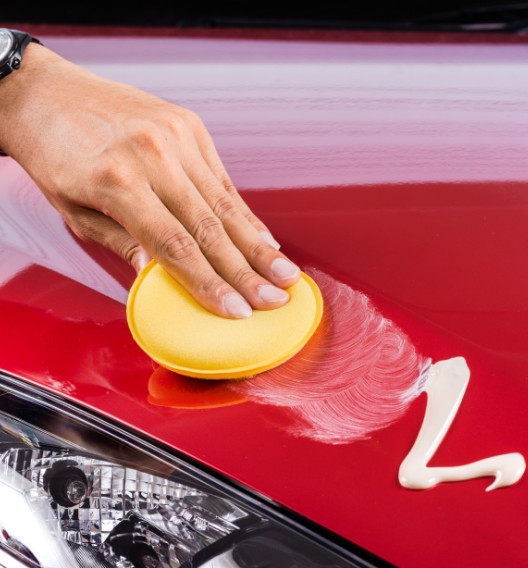
Car wax is easy to apply and offers many benefits for your vehicle. It forms a thin layer on the car’s surface that helps protect and improve its look. Applying wax regularly keeps the car looking fresh and new.
Using car wax is simple. You spread it evenly on a clean surface, let it dry a little, then buff it with a soft cloth. This process enhances the car’s shine and seals the paint.
Protective Properties
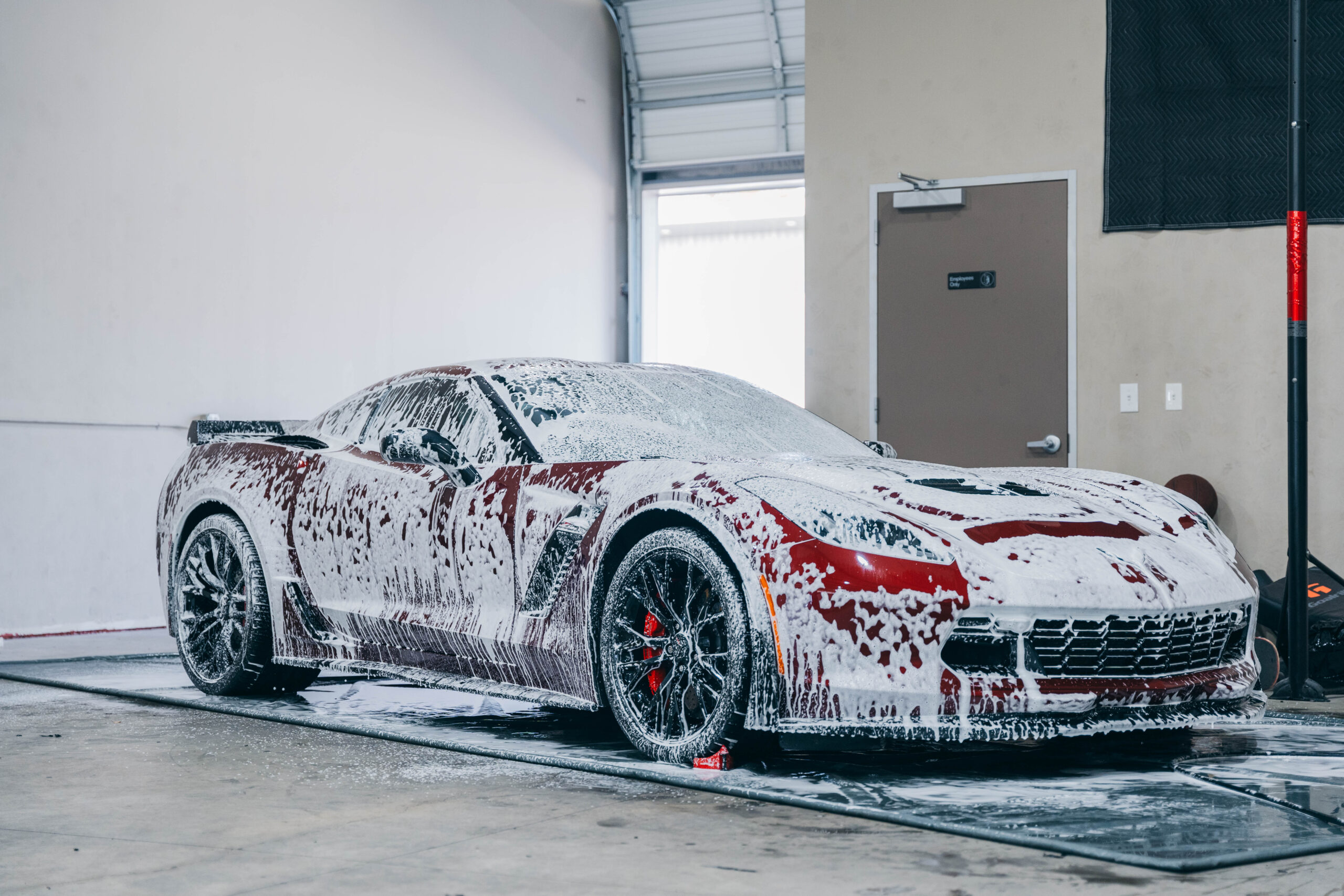
Car wax acts as a shield against dirt, rain, and UV rays. It prevents harmful elements from reaching the paint. This helps avoid damage like fading, scratches, and stains. The wax layer also repels water, causing droplets to slide off quickly.
Enhancing Shine
Wax adds a glossy finish to the car’s paint. It smooths out tiny rough spots on the surface. This makes the car look brighter and more polished. The shine improves the car’s overall appearance and makes it look well cared for.
Longevity On Surfaces
Car wax lasts for weeks or even months. It sticks well to the paint and resists washing away. This long-lasting effect means less frequent waxing is needed. Regular waxing keeps the car protected and shiny for a longer time.
Credit: www.r3detailing.com

Credit: detailtheworld.com
Frequently Asked Questions
What Ingredients Are Used To Make Car Wax?
Car wax typically contains natural waxes like carnauba, synthetic polymers, solvents, and oils. These ingredients protect and shine the car’s surface.
How Is Car Wax Manufactured In Factories?
Manufacturers blend waxes, solvents, and additives in precise ratios. The mixture is heated, cooled, and stirred to achieve a smooth consistency.
Why Is Carnauba Wax Popular In Car Wax Products?
Carnauba wax is durable and provides a glossy, water-resistant finish. It is natural and offers excellent protection against UV rays.
Can Synthetic Wax Replace Natural Car Wax?
Yes, synthetic waxes offer longer-lasting protection and easier application. They are often more affordable and resistant to environmental damage.
Conclusion
Making car wax involves mixing natural and synthetic ingredients carefully. Each component plays a role in protecting and shining your car’s paint. The process ensures the wax is easy to apply and lasts long. Knowing how car wax is made helps you appreciate its quality.
Next time you wax your car, remember the effort behind the product. It’s not just about shine; it’s about protection too. Simple steps create a product that keeps cars looking their best.

