

You’ve just polished your car, and it looks amazing. But now you’re wondering—how long should you wait before waxing it?
This step is crucial to protect your work and keep your car shining longer. If you rush or wait too long, you might not get the full benefits of the polish and wax. You’ll discover the perfect timing to wax your car after polishing, so your ride stays glossy and protected.
Keep reading to unlock the secret to a flawless finish every time.
Polish And Wax Basics
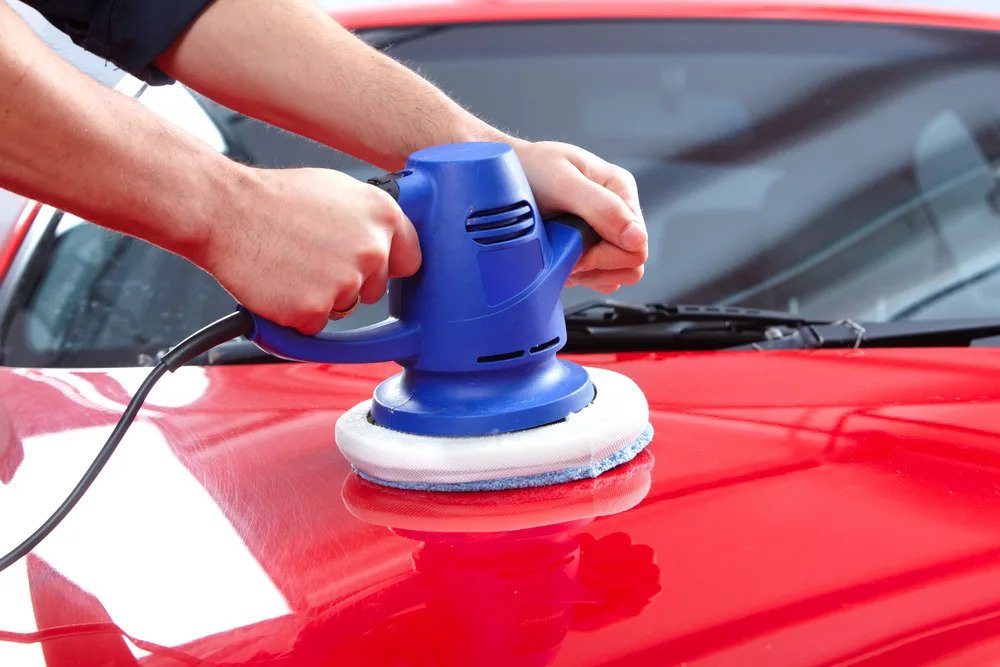
Understanding polish and wax basics helps keep your car looking new. Both steps improve your car’s paint and protect it. Polishing fixes small scratches and smooths the surface. Waxing adds a shiny layer that guards the paint from dirt and sun.
Purpose Of Polishing
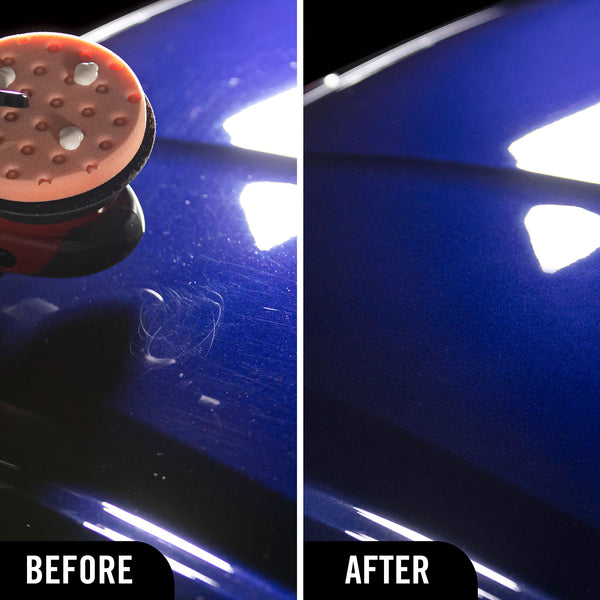
Polishing removes tiny scratches and dull spots on the paint. It smooths the surface by getting rid of old paint layers. This helps restore the car’s original shine. Polishing also prepares the surface for waxing. It makes the wax stick better and last longer.
Benefits Of Waxing
Waxing adds a protective layer over the paint. It shields the car from rain, dust, and sun damage. Wax also gives a deep, glossy shine. This makes the car look clean and fresh. It helps keep the paint safe for weeks or months. Regular waxing keeps the paint strong and bright.
Credit: ethoscarcare.com
Ideal Timing After Polish
Knowing the ideal timing to wax your car after polishing is important. Wax protects the paint and keeps your car shiny. But waxing too soon can ruin your polish work. Waiting the right amount of time helps the polish settle well. This ensures the wax sticks properly and lasts longer.
Surface Drying Time
After polishing, the car’s surface feels wet or oily. This happens because polishes often leave a thin layer of residue. Wait at least 30 minutes for this layer to dry. A dry surface helps wax bond better to the paint. Touch the surface lightly to check if it is dry.
Curing Period For Polish
Polish needs time to cure and fully harden on the paint. This process can take from 12 to 24 hours. During this time, avoid washing or applying wax. Curing allows the polish to form a strong, smooth layer. Waxing after the polish cures gives the best protection and shine.
Factors Affecting Wax Application
Waxing a car after polishing is not a fixed timing task. Several factors influence the best time to apply wax. Understanding these factors helps protect your car’s paint and improve shine. Each factor changes how the wax bonds to the surface and how long you should wait after polishing.
Type Of Polish Used
Different polishes dry and cure at different speeds. Some polishes need more time to settle before waxing. For example, abrasive polishes may require a longer wait. Others, like sealant polishes, may allow waxing sooner. Always check the polish instructions for the best guidance.
Environmental Conditions
Temperature and humidity affect drying times. Hot, dry weather speeds up polish drying. Cold or humid weather slows it down. Dust and wind can also impact the process. Choose a calm, shaded spot for waxing. This ensures the best wax adhesion and finish.
Car Paint Type
Paint types vary in hardness and texture. Softer paints may need extra care after polishing. Clear coats respond differently to polish and wax timing. Newer paint jobs often require longer waiting times. Older or faded paint may allow faster waxing.
Signs Your Car Is Ready For Wax
Knowing when your car is ready for wax after polishing is important. Waxing too soon or too late can affect the shine and protection. Watch for clear signs that show the polish has set properly. These signs help you apply wax at the right time for the best results.
Touch And Appearance
Run your hand gently over the car surface. It should feel smooth and dry, not sticky or wet. The shine should look even and bright without dull spots. A well-polished car shows a glossy finish that reflects light clearly. This means the polish has bonded well with the paint.
Residue Absence
Check for any leftover polish residue on the car. Use a soft cloth to wipe a small area. No powdery or greasy film should come off. Residue means the polish hasn’t fully cured. Waxing before this step can trap dirt or dull the finish. Clean, residue-free paint signals the right time to wax.
Waxing Techniques Post Polish
Waxing a car after polishing protects the paint and adds shine. It seals the surface and keeps dirt away. Using the right techniques helps the wax last longer. It also makes the car look smooth and glossy. Understanding how to apply and buff wax is key to great results.
Follow simple steps for a neat finish. Proper waxing boosts your car’s look and keeps it safe from damage. Here are some important waxing techniques to use after polishing.
Choosing The Right Wax
Select a wax that fits your car’s paint and environment. Paste wax offers long protection but needs more effort. Liquid wax is easier to apply and dries fast. Synthetic waxes last longer and resist heat well. Pick a wax that suits your climate and how often you wash the car.
Application Tips
Work in small sections for even coverage. Use a soft foam or microfiber applicator pad. Apply a thin, even layer of wax. Avoid heavy coats; thin layers dry better and buff easier. Let the wax haze slightly before buffing. Do not wax under direct sunlight or on a hot surface. This prevents streaks and uneven drying.
Buffing Methods
Use a clean, soft microfiber cloth to buff wax. Gently rub in circular motions to remove haze. Change cloth sides often to avoid smudges. Buff until the surface shines and feels smooth. Avoid pressing too hard; light pressure works best. Proper buffing brings out the wax’s full shine and smoothness.
Credit: www.turtlewax.com
Common Mistakes To Avoid
Waxing a car after polishing can give your paint a lasting shine and protection. Many people make simple mistakes that reduce these benefits. Avoiding these errors helps your car look great longer.
Waxing Too Soon
Polish leaves a thin layer on the paint. This layer needs time to fully dry. Waxing immediately after polishing traps moisture and polish residue. It stops wax from bonding properly with the paint. Wait at least 24 hours before waxing. This wait ensures the polish cures well. Your wax will last longer and protect better.
Skipping Polish Residue Removal
Polish can leave tiny residue on your car. This residue dulls the shine and blocks wax. Always remove polish residue with a clean microfiber cloth. Use gentle circular motions to wipe the surface. Skipping this step causes uneven wax application. The final look may be blotchy or streaky. Clean paint leads to smooth, even wax layers.
Maintaining Wax After Polish
Maintaining wax after polishing keeps your car’s shine strong and fresh. Wax protects the surface and helps repel dirt and water. Without proper care, wax wears off faster. Simple steps keep your car looking its best longer.
Regular Cleaning
Wash your car often to remove dust and grime. Use gentle car soap and soft cloths. Avoid harsh chemicals that strip wax away. Dry the car fully to prevent water spots. Regular cleaning preserves wax and polish effects.
Reapplication Frequency
Wax needs reapplication to stay effective. Generally, wax lasts about 4 to 6 weeks. Check your car’s surface for dullness or water beading loss. If water stops beading, it’s time to wax again. Regular reapplication keeps paint protected and shiny.

Credit: bigsmobile.com
Frequently Asked Questions
How Soon Can I Wax My Car After Polishing?
You should wait at least 24 hours after polishing before waxing. This allows the paint to fully cure and ensures better wax adhesion. Rushing the process can reduce wax effectiveness and protection. Patience yields a longer-lasting, glossy finish.
Why Wait Before Waxing After Car Polish?
Waiting after polishing lets the paint harden and stabilize. Polishing removes surface imperfections and leaves the paint slightly porous. Waxing too soon can trap residues and reduce shine. Proper timing ensures optimal protection and durability of the wax layer.
Can I Wax Immediately After Polishing My Car?
It’s not recommended to wax immediately after polishing. The paint needs time to settle and cure. Immediate waxing may result in uneven protection and reduced gloss. Waiting 24 hours enhances wax bonding and provides a smooth, durable finish.
How Does Polishing Affect Waxing Timing?
Polishing temporarily softens and opens paint pores. This requires a curing period before waxing. Proper timing helps the wax seal the paint effectively. Delaying waxing after polishing improves protection and extends the shine of your car’s surface.
Conclusion
Polishing a car makes the surface smooth and clean. Waxing soon after polish protects the paint and adds shine. Wait at least 24 hours before waxing for best results. This time allows polish to fully settle on the car. Waxing too early may cause streaks or uneven coverage.
Taking care with timing keeps your car looking fresh longer. Regular waxing after polishing keeps the paint strong and bright. Simple steps like these help your car stay beautiful on the road.

