Have you ever wondered if your car’s fuel filter is working properly? Knowing when your fuel filter is bad can save you from unexpected breakdowns and costly repairs.
If your engine feels sluggish or your gas mileage drops, it might be time to check your fuel filter. You’ll discover the clear signs that point to a failing fuel filter and learn what to do next. Keep reading to protect your car and keep it running smoothly.
Fuel Filter Basics
The fuel filter plays a key role in keeping your engine clean. It stops dirt and debris from reaching the engine. A clean fuel filter helps your car run smoothly. Knowing the basics about fuel filters helps you spot problems early. This saves time and money on repairs.
Fuel filters come in different types and designs. Each has a specific job to protect the engine. Understanding how fuel filters work makes it easier to know when they need changing.
Role In Engine Performance
The fuel filter cleans the fuel before it reaches the engine. It traps dirt, rust, and other particles. Clean fuel helps the engine burn fuel efficiently. A clogged filter reduces fuel flow and hurts engine power. This can cause rough idling or trouble starting. A good filter keeps the fuel system healthy. It also helps improve fuel economy and reduce emissions.
Types Of Fuel Filters
There are several types of fuel filters. Most cars use inline filters placed along the fuel line. These filters are easy to replace. Some vehicles have a cartridge filter inside the fuel tank. Others use a paper or mesh element to trap dirt. Diesel engines often have water separators to remove water from fuel. Each type serves the same goal: clean fuel for the engine. Knowing your filter type helps with proper care and replacement.
Common Signs Of A Bad Fuel Filter
A bad fuel filter can cause many problems in your vehicle. It stops fuel from flowing properly to the engine. This can make your car run poorly or even break down. Knowing the common signs helps you fix the issue early. Catching problems fast saves time and money.
Engine Misfires And Hesitation
When the fuel filter is clogged, the engine may misfire. The car might hesitate or jerk during acceleration. This happens because the engine does not get enough fuel. It struggles to run smoothly, causing these noticeable issues.
Difficulty Starting The Engine
A bad fuel filter can make the engine hard to start. The fuel flow is blocked or limited. You may need to try several times before the engine turns on. This is a clear sign the fuel filter needs attention.
Reduced Fuel Efficiency
When the fuel filter is dirty, the engine uses more fuel. The car’s miles per gallon drop. You spend more money at the gas station. Poor fuel flow makes the engine work harder and waste fuel.
Unusual Engine Noises
A clogged fuel filter can cause strange sounds from the engine. You may hear sputtering, coughing, or knocking noises. These sounds happen because the engine is not getting steady fuel flow.
Stalling During Acceleration
The engine may stall or stop suddenly when you speed up. This happens because the fuel filter blocks enough fuel from reaching the engine. Stalling is dangerous and means the fuel filter likely needs replacing.
Visual And Physical Indicators
Visual and physical signs give clear clues about a bad fuel filter. These signs help you spot trouble early. You do not need special tools to check them.
Look closely at the fuel filter’s condition. Changes in color, texture, or shape can signal problems. Feeling the filter can also reveal issues.
Fuel Contamination
Dirty fuel can leave deposits inside the filter. Look for dark spots or sludge around the filter’s surface. These deposits show the fuel has dirt or rust.
Water or moisture may cause the filter to look cloudy. Contaminated fuel harms engine parts. Changing the filter stops damage before it gets worse.
Clogged Filter Appearance
A clogged filter looks thick or swollen. It may have cracks or tears on the casing. This means the filter struggles to pass fuel smoothly.
Fuel flow slows down with a clogged filter. The filter might feel hard or brittle when touched. This physical change means it is time to replace it.

Credit: oilchangers.com
Testing And Diagnosis
Testing and diagnosis help find out if the fuel filter is bad. This step is important before replacing any parts. It saves time and money. You can check the fuel system to see if the filter blocks fuel flow. Some tests need tools, while others may require expert help. Here are common ways to test and diagnose a bad fuel filter.
Fuel Pressure Test
The fuel pressure test measures the pressure in the fuel line. Low pressure can mean the fuel filter is clogged. Mechanics use a fuel pressure gauge for this test. They connect it to the fuel rail or fuel line. The engine runs during the test to get an accurate reading. If pressure is below the car’s specifications, the filter likely needs changing.
This test shows how well fuel flows to the engine. It also checks the fuel pump and fuel injectors. A drop in pressure points to a blockage or a weak pump. Regular fuel pressure testing helps catch problems early.
Professional Inspection
Professional inspection involves a mechanic checking the fuel system thoroughly. They look at the fuel filter for dirt or damage. Mechanics may also check fuel lines and connections. A professional can spot hidden issues that are hard to find.
They use diagnostic tools that read error codes from the car’s computer. These codes can hint at fuel system problems. A mechanic’s experience helps in accurate diagnosis. Getting a professional check ensures the right fix for your vehicle.
Preventive Maintenance Tips
Preventive maintenance helps keep your vehicle running smoothly. It prevents breakdowns and costly repairs. Checking the fuel filter regularly is part of this care. Clean fuel filters protect the engine and improve fuel efficiency. Knowing the right steps keeps your car healthy for longer.
Recommended Replacement Intervals
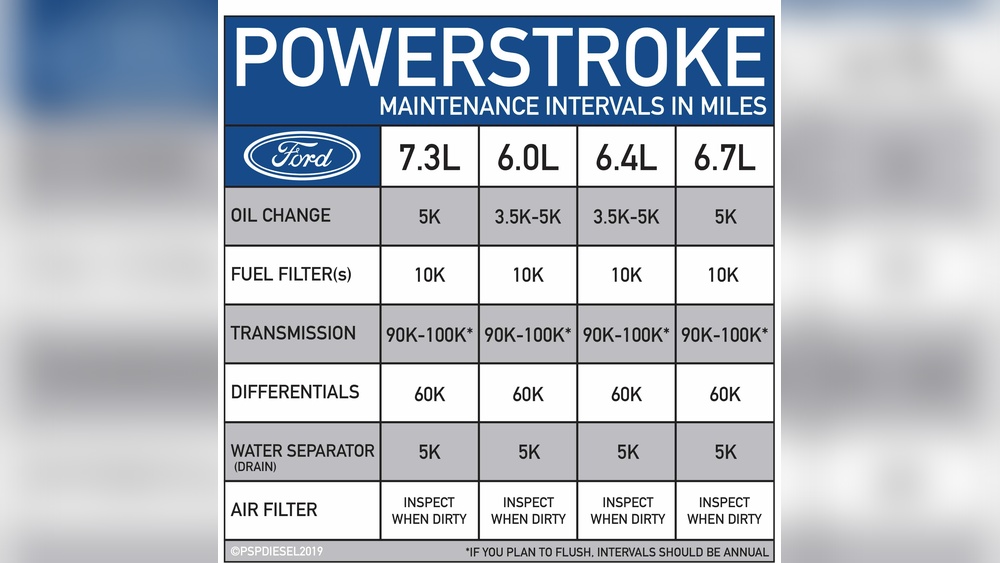
Fuel filters need changing at set times. Most car makers suggest replacing them every 20,000 to 40,000 miles. Check your owner’s manual for exact advice. Frequent driving on dusty roads may require earlier changes. Regular replacement stops dirt from clogging the fuel system.
Choosing The Right Fuel Filter
Pick a fuel filter that fits your car model. Use filters approved by your vehicle’s manufacturer. Quality matters more than price here. A good filter catches tiny particles and lasts longer. Using the right filter avoids engine problems and saves money.

Credit: www.youtube.com
Consequences Of Ignoring A Bad Fuel Filter
Ignoring a bad fuel filter can cause serious problems for your vehicle. The fuel filter stops dirt and debris from reaching the engine. When it gets clogged, fuel flow reduces. This weakens engine performance. Over time, small problems can turn into big issues. Knowing the risks helps you avoid costly repairs and keep your car running smoothly.
Engine Damage Risks
A clogged fuel filter restricts fuel supply to the engine. This leads to poor combustion and misfires. The engine may run rough or stall unexpectedly. Lack of fuel can cause overheating and damage engine parts. Dirty fuel can reach the injectors, causing blockages. These problems shorten the engine’s life. Continuous neglect may lead to total engine failure.
Increased Repair Costs
Replacing a fuel filter is cheap and easy. Waiting too long can cause damage to other parts. Fuel injectors and the fuel pump may fail. Repairs for these parts cost much more than a filter change. Engine repairs or replacements are very expensive. Early maintenance saves money and stress. Regular checks prevent repair bills from rising.

Credit: www.youtube.com
Frequently Asked Questions
How Do I Know If My Fuel Filter Is Clogged?
A clogged fuel filter causes engine misfires, poor acceleration, and difficulty starting. Check for reduced fuel efficiency and engine hesitation. These are common signs indicating the fuel filter needs inspection or replacement.
What Symptoms Show A Bad Fuel Filter?
Symptoms include engine stalling, rough idling, and loss of power. You may notice frequent engine sputtering or hesitation during acceleration. These signs suggest the fuel filter is restricting fuel flow.
Can A Bad Fuel Filter Cause Engine Damage?
Yes, a bad fuel filter can cause engine damage. It restricts fuel flow, making the engine run lean. This leads to overheating, misfires, and potential long-term engine issues.
How Often Should A Fuel Filter Be Replaced?
Typically, replace your fuel filter every 20,000 to 40,000 miles. Check your vehicle’s manual for specific intervals. Regular replacement ensures optimal engine performance and fuel efficiency.
Conclusion
A bad fuel filter can cause many car problems. Watch for slow engine start, rough idling, or poor acceleration. Strange noises or frequent stalling also signal issues. Changing the fuel filter keeps your engine healthy and saves money. Check it regularly to avoid bigger repairs later.
Stay aware and act quickly to keep your car running smooth. Don’t ignore these signs—your vehicle depends on clean fuel. Simple care prevents costly breakdowns.