
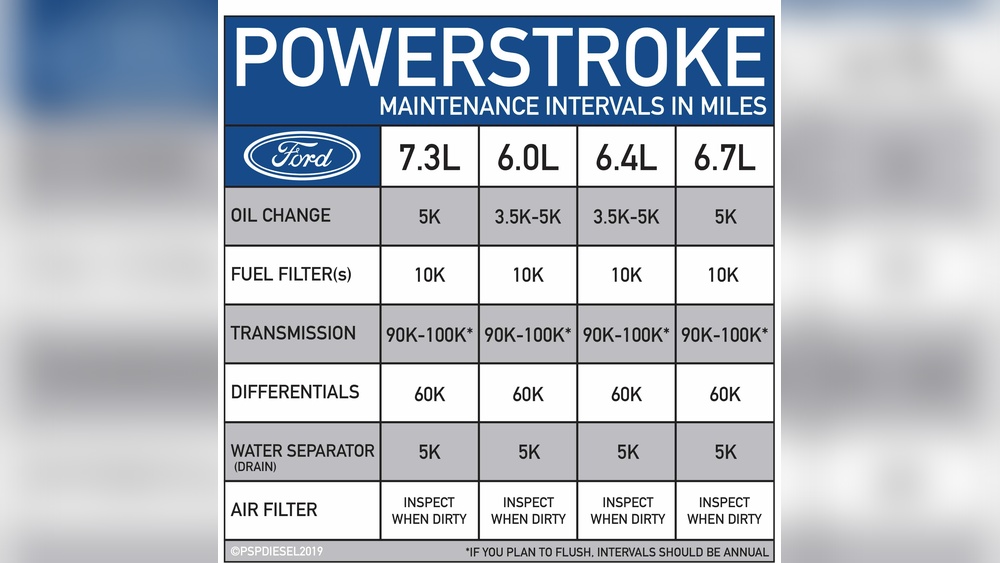
If you own a 7.3 Powerstroke, you know how important it is to keep your engine running smoothly. One simple part that plays a big role in this is your fuel filter.
But how often should you change it? Ignoring this can lead to poor performance, costly repairs, or even engine damage. You’ll discover the exact timing for changing your fuel filter and why sticking to this schedule can save you money and headaches.
Keep reading to make sure your truck stays powerful and reliable for years to come.

Credit: bulletproofdiesel.com
Fuel Filter Basics
The fuel filter is a small but important part of the 7.3 Powerstroke engine. It keeps the fuel clean by catching dirt and rust. Clean fuel helps the engine run better and last longer. Knowing about the fuel filter helps you keep your truck in good shape.
Role In Engine Performance
The fuel filter stops dirt from reaching the engine. Dirty fuel can cause the engine to run poorly. A clean filter helps fuel flow smoothly. This improves engine power and saves fuel. It also protects engine parts from damage. A clogged filter can make the engine stall or lose power.
Types Used In 7.3 Powerstroke
The 7.3 Powerstroke uses two main fuel filter types. The primary filter removes bigger dirt and water. The secondary filter cleans smaller particles. Both filters work together to protect the engine. Using the right filters keeps the engine safe and running well. Always choose filters made for the 7.3 Powerstroke.
Recommended Change Intervals
Knowing the right time to change the fuel filter on a 7.3 Powerstroke is very important. The fuel filter protects the engine by keeping dirt and debris out of the fuel system. Changing it at the right time helps keep the engine running smoothly and prevents damage. Below are the recommended change intervals to follow for the best engine care.
Manufacturer Guidelines
The manufacturer suggests changing the fuel filter every 15,000 to 20,000 miles. This range helps maintain good fuel flow and engine health. Always check the owner’s manual for the exact schedule for your truck. Sticking to these guidelines ensures the fuel system stays clean and efficient.
Factors Affecting Frequency
Several factors can change how often you need to replace the fuel filter. Driving in dusty or dirty areas can clog the filter faster. Using low-quality fuel can also cause buildup inside the filter. If your truck often idles or does short trips, the filter may wear out sooner. Watch for signs like engine hesitation or rough idling to know if a change is needed earlier.
Signs Of A Clogged Fuel Filter
A clogged fuel filter on a 7.3 Powerstroke can cause several problems. It blocks fuel flow, making the engine work harder. Recognizing signs early helps avoid costly repairs and keeps your truck running smoothly.
Watch for changes in how your truck drives and responds. Notice unusual sounds or struggles during acceleration. These hints point to a fuel filter that may need attention.
Performance Issues
The engine may lose power or stall while driving. Hesitation or rough idling can also occur. Poor acceleration is common when fuel flow is restricted. You might feel your truck is not as strong as before. Reduced fuel efficiency can happen too, costing more money at the pump.
Warning Lights And Symptoms
The check engine light might turn on without other clear issues. You could see the service engine soon light as well. Difficulty starting the engine is another warning sign. Strange noises from the fuel pump or engine may occur. These symptoms often mean the fuel filter is clogged and needs replacement.

Credit: www.youtube.com
Changing The Fuel Filter
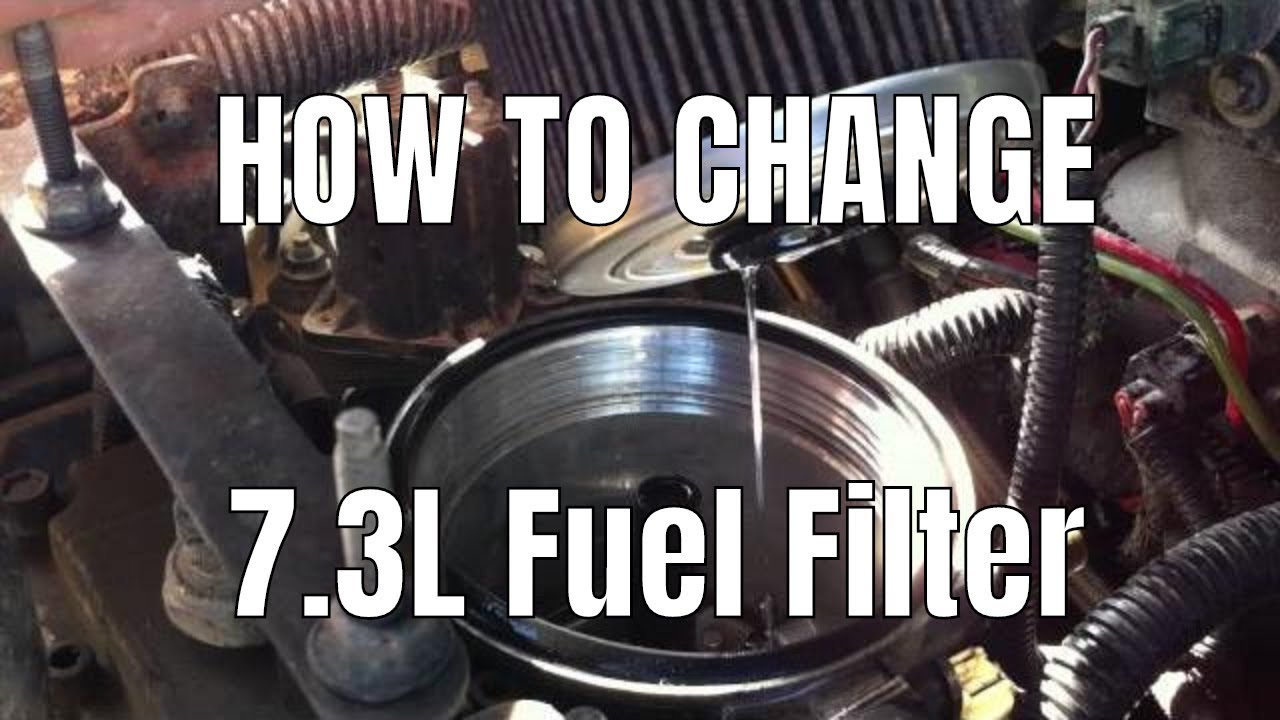
Changing the fuel filter on a 7.3 Powerstroke keeps the engine running smoothly. It stops dirt and rust from reaching the fuel injectors. Regular changes help avoid engine problems and improve fuel efficiency. This process is simple and can be done at home with basic tools.
Required Tools
- New fuel filter designed for 7.3 Powerstroke
- Fuel line disconnect tool
- Socket wrench set
- Drain pan to catch fuel
- Clean rags
- Gloves and safety glasses
Step-by-step Replacement Process
- Locate the fuel filter on the driver’s side frame rail.
- Place the drain pan under the filter to catch fuel.
- Use the fuel line disconnect tool to remove the fuel lines.
- Loosen and remove the old fuel filter with a socket wrench.
- Install the new fuel filter, ensuring it is oriented correctly.
- Reconnect the fuel lines securely to prevent leaks.
- Start the engine and check for any leaks or issues.
Safety Precautions
- Wear gloves and safety glasses to protect yourself.
- Work in a well-ventilated area to avoid fuel fumes buildup.
- Keep fire sources away from the work area.
- Dispose of the old fuel filter and fuel safely.
- Make sure the engine is cool before starting the replacement.
Maintenance Tips
Maintaining your 7.3 Powerstroke’s fuel system is key to its performance. Regular care helps avoid costly repairs and keeps the engine running smoothly. Simple steps can extend your fuel filter’s life and improve fuel flow.
Focus on three main areas: using quality fuel, inspecting the filter often, and taking preventative actions. These tips keep your diesel engine healthy and efficient.
Using Quality Fuel
Always choose clean and high-grade diesel fuel. Poor fuel contains dirt and water that clog the filter fast. Buy from trusted stations with good turnover. This reduces the chance of contamination and protects the fuel system.
Regular Inspection
Check the fuel filter every few thousand miles or as recommended. Look for signs of dirt, rust, or water in the filter bowl. Replace the filter if it looks dirty or your engine runs rough. Early checks prevent bigger problems later.
Preventative Measures
Drain water from the fuel filter regularly to avoid damage. Use fuel additives designed for diesel engines to keep fuel clean. Keep the fuel tank full to reduce moisture build-up. These steps help your filter last longer and your engine run better.
Common Mistakes To Avoid
Changing the fuel filter on a 7.3 Powerstroke is important for engine health. Many drivers make mistakes that harm their trucks. Avoiding these errors keeps your engine running smoothly. Learn the common mistakes to avoid below.
Skipping Scheduled Changes
Many skip fuel filter changes to save time or money. This causes dirt buildup and clogs the filter. A clogged filter reduces fuel flow and hurts engine performance. Follow the manufacturer’s schedule to prevent damage and costly repairs.
Improper Installation
Installing the fuel filter incorrectly can cause leaks or air in the fuel line. Tighten fittings but do not overtighten them. Make sure the filter is facing the right direction. Use clean tools and parts to avoid contamination.
Ignoring Warning Signs
Ignoring warning signs can lead to engine problems. Watch for rough idling, poor acceleration, or hard starts. These symptoms may mean the fuel filter needs changing. Act quickly to avoid bigger engine damage and keep your truck reliable.
Credit: www.youtube.com
Frequently Asked Questions
How Often Should I Change The Fuel Filter On A 7.3 Powerstroke?
Change the fuel filter every 15,000 to 20,000 miles for optimal engine performance. Regular replacement prevents clogs and fuel contamination.
What Are Signs Of A Clogged Fuel Filter On 7.3 Powerstroke?
Common signs include rough idling, loss of power, engine hesitation, and difficulty starting. These symptoms indicate restricted fuel flow.
Can I Replace The 7.3 Powerstroke Fuel Filter Myself?
Yes, replacing the fuel filter is a straightforward task with basic tools. Follow safety precautions and consult your owner’s manual for guidance.
Why Is Regular Fuel Filter Replacement Important For 7.3 Powerstroke?
Regular changes ensure clean fuel delivery, protect the injection system, and improve fuel efficiency. It also prolongs engine life and reduces repair costs.
Conclusion
Changing the fuel filter on your 7. 3 Powerstroke keeps the engine running smooth. Replace it every 15,000 to 20,000 miles for best results. Clean fuel means better performance and fewer engine problems. Don’t wait for signs of trouble. Regular changes help you avoid costly repairs later.
Keep your truck strong and reliable. Simple steps can save you time and money. Stay on top of maintenance for a long-lasting engine.


