

Have you ever noticed your car pulling to one side or uneven tire wear? These problems often come down to one thing: camber.
Adjusting the camber on your car can improve handling, extend tire life, and give you a smoother ride. But how do you actually make this adjustment? If you want to take control of your car’s performance and save money on repairs, keep reading.
This guide will walk you through everything you need to know about adjusting your car’s camber, step by step.
Camber Basics
Camber is a key part of your car’s wheel alignment. It affects how your tires touch the road. Understanding camber helps keep your car safe and your tires lasting longer.
This section explains what camber means and what happens if it is wrong. Knowing these basics makes adjusting camber easier.
What Camber Means
Camber is the angle of the wheels when viewed from the front. If the top of the wheel tilts inward, it is negative camber. If it tilts outward, it is positive camber.
Correct camber helps your car drive straight. It also improves handling and tire wear.
Effects Of Incorrect Camber
Wrong camber can cause uneven tire wear. Tires may wear more on one side. This reduces tire life and can be unsafe.
Incorrect camber also affects how your car handles. It can make steering harder and reduce grip. This can lead to poor driving control.
Tools Needed
Adjusting the camber on a car requires specific tools to ensure accuracy and safety. Having the right equipment makes the job easier and helps avoid damage. Some tools are essential, while others improve precision and ease the process.
Essential Equipment
A jack is needed to lift the car safely. Jack stands hold the car in place once it is lifted. A wrench or socket set helps loosen and tighten bolts on the suspension.
A camber gauge or alignment tool measures the angle of the wheels. This tool is critical to know how much adjustment is needed. A tape measure may also be useful for rough checks.
Optional Tools For Precision
A digital camber gauge offers more precise readings than manual tools. It is helpful for those seeking exact alignment. A bubble level can assist in checking the car’s body position.
An impact wrench speeds up bolt removal but is not mandatory. A pry bar helps adjust suspension parts in tight spaces. These tools improve the quality and speed of the work.
Preparation Steps
Before adjusting the camber on a car, proper preparation is crucial. This helps ensure the process goes smoothly and safely. Taking time to prepare protects you and your vehicle. It also makes the adjustment more accurate.
Safety Measures
Start by wearing safety gloves and glasses. This protects your hands and eyes from dirt and debris. Use wheel chocks to stop the car from moving. Never work on a car without securing it. Always work on a flat surface to avoid accidents. Keep tools organized and within reach to prevent delays.
Vehicle Positioning
Park the car on level ground. This helps get an accurate camber reading. Make sure the steering wheel is straight. This keeps the wheels aligned for adjustment. Use a jack to lift the car carefully. Place jack stands under the frame for support. Never rely on the jack alone. Double-check the car’s stability before starting work.

Credit: www.youtube.com
Measuring Camber
Measuring camber is the first step to adjust it properly. Camber shows the angle of the wheels compared to the ground. Correct camber helps the car drive straight and wear tires evenly.
It is important to get an accurate camber reading. This lets you know how much adjustment is needed. There are tools and ways to measure camber easily.
Using A Camber Gauge
A camber gauge is a tool made for this job. It attaches to the wheel or hub. The gauge shows the angle of the wheel in degrees.
Place the gauge on a flat surface of the wheel. Read the number on the dial or digital screen. This number tells the camber angle.
Camber gauges are simple to use and give quick results. They are accurate and help keep adjustments precise.
Alternative Measurement Methods
Not everyone has a camber gauge. Other methods can measure camber too. A carpenter’s level and a ruler can work well.
Put the level on the wheel rim. Check if the bubble is centered or not. Use the ruler to measure the distance between the level and the rim edge.
Calculate the angle using basic math or an online camber calculator. This method is less precise but useful in a pinch.
Adjusting Camber
Adjusting camber is a key part of tuning your car’s suspension. It affects how the tires touch the road. Proper camber adjustment improves handling and tire life. The process involves small, careful changes to the wheel angle. Understanding the steps will make the job easier and safer.
Locating Adjustment Points
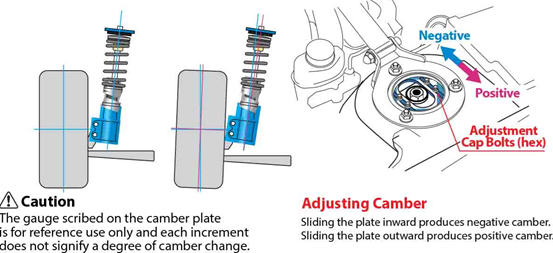
Camber adjustment points vary by car model. Common spots include the upper control arm, strut mounts, and cam bolts. Check your vehicle manual for exact locations. You may need to lift the car to see these points clearly. Use a flashlight to spot bolts and washers that allow movement.
Making Incremental Changes
Adjust camber in small steps. Turn the adjustment bolts slightly and check the angle. Use a camber gauge or take the car to a shop for measurement. Avoid large changes at once to prevent uneven tire wear. Test drive the car after each adjustment to feel the difference. Repeat until the camber is within the recommended range.
Verifying Alignment
Verifying alignment is a crucial step after adjusting the camber on your car. It ensures the wheels are set correctly and the vehicle drives smoothly. Proper verification helps avoid uneven tire wear and poor handling. Follow these steps to confirm your camber angle is right and your car is safe to drive.
Rechecking Camber Angle
Use a camber gauge or an alignment tool to measure the camber angle again. Check each wheel separately for accuracy. Compare the readings to the manufacturer’s recommended camber range. Make small adjustments if the angle is off. Tighten all bolts securely after final adjustments. This step prevents the camber from shifting during driving.
Test Driving Tips
Drive your car on a flat, straight road to test the alignment. Notice any pulling to one side or unusual vibrations. Listen for strange noises from the tires or suspension. Check how the steering wheel feels—centered and stable is good. After driving, inspect the tires for uneven wear. These signs indicate if further camber adjustment is needed.
Common Issues
Adjusting the camber on a car can sometimes lead to common issues. These problems affect driving safety and tire wear. Understanding these issues helps keep your car in good shape.
Incorrect camber adjustment causes uneven tire wear. Tires may wear out faster on one side. This leads to frequent tire replacement and extra costs. The car might pull to one side while driving. Steering can feel off or unstable, making driving difficult. These signs point to camber problems that need fixing.
Troubleshooting Misalignment
Check your tires for uneven wear patterns. Look for wear on the inner or outer edges. Inspect the suspension and control arms for damage. Use a camber gauge to measure the angle accurately. Adjust the camber bolts slowly to correct the angle. Test drive the car and observe the steering response. Repeat adjustments until the car drives straight and tires wear evenly.
When To Seek Professional Help
Some camber problems require expert tools and skills. Visit a professional if the car pulls strongly to one side. Seek help if you notice strange noises from suspension. Professionals use precise machines to measure camber angles. They can fix hidden damage that causes misalignment. A proper alignment ensures safe driving and longer tire life.

Credit: supalign.co.uk
Credit: blog.maxpeedingrods.com
Frequently Asked Questions
How Do You Know When To Adjust Camber?
Camber adjustment is needed when uneven tire wear or poor handling occurs. Check tire wear patterns and vehicle alignment regularly. Misalignment signs like pulling or drifting also indicate camber issues needing correction.
What Tools Are Required For Camber Adjustment?
You need a camber gauge, wrench set, jack, and alignment equipment. A camber gauge measures the angle precisely. Wrenches help loosen suspension bolts for adjustment. Proper tools ensure accurate and safe camber changes.
Can I Adjust Camber At Home Safely?
Yes, with the right tools and knowledge, you can. Ensure the car is securely lifted and use a camber gauge. Follow manufacturer guidelines carefully to avoid damaging suspension or causing unsafe driving conditions.
How Does Camber Affect Car Handling?
Camber influences tire contact with the road, affecting grip and stability. Negative camber improves cornering by increasing tire contact during turns. Positive camber can reduce tire wear but may decrease handling performance.
Conclusion
Adjusting the camber on a car improves tire contact with the road. This helps your car handle better and wear tires evenly. Always check your car’s manual for specific camber settings. Small adjustments can make a big difference in driving comfort and safety.
Use the right tools and take your time during the process. If unsure, seek help from a professional mechanic. Proper camber adjustment keeps your car stable and saves money on tire replacements. It’s a simple step that adds to a smoother ride.


