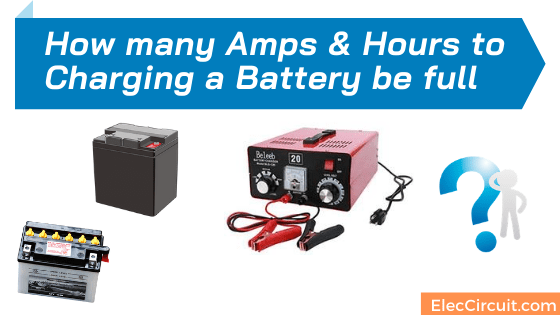
Are you wondering how many amps you need to safely charge your car battery? Knowing the right amount of amps is key to charging your battery quickly without causing damage.
Too little power, and your battery might never fully charge. Too much, and you risk shortening its lifespan or even causing harm. You’ll discover exactly how to choose the right charging amps for your car battery, so you can keep your vehicle running smoothly and avoid costly repairs.
Keep reading to learn the simple steps that make all the difference.
Basics Of Car Battery Charging
Understanding the basics of car battery charging helps keep your vehicle running smoothly. Charging a battery correctly extends its life and improves performance. Knowing the right amps to use protects the battery from damage.
Charging depends on the battery type, capacity, and the charging current. Using the right current is key to efficient and safe charging.
Car Battery Types
There are mainly two types of car batteries: lead-acid and AGM. Lead-acid batteries are common and affordable. AGM batteries are more advanced and last longer. Each type requires a different charging approach.
Battery Capacity And Amp Hours
Battery capacity is measured in amp hours (Ah). It shows how much charge the battery can hold. A 50Ah battery can provide 50 amps for one hour. Knowing this helps choose the correct charging current.
How Charging Amps Affect Battery Life
Charging with too high amps can damage the battery. It causes overheating and reduces battery life. Low amps charge the battery slowly but safely. The best charging amps are usually 10% of the battery’s Ah rating.
Choosing The Right Amp For Charging
Choosing the right amp for charging your car battery is important. It affects how fast and safely your battery charges. Using the wrong amp can harm your battery or reduce its life. Understanding the right amp helps you keep your battery healthy and ready to use.
Recommended Charging Amps For Different Batteries
Small car batteries usually need 2 to 6 amps for charging. Larger batteries in trucks or SUVs may require 10 to 20 amps. For deep cycle or marine batteries, a lower amp, around 2 to 5 amps, works best. Always check the battery label or manual for the suggested charging current.
Fast Charging Vs. Slow Charging
Fast charging uses high amps to fill the battery quickly. It saves time but can heat the battery. Slow charging uses low amps and takes longer. It is gentler and helps the battery last longer. Choose slow charging if you are not in a hurry.
Risks Of Using High Amps
High amps can overheat the battery. This may cause damage or reduce battery life. It can also cause battery acid leaks or swelling. Always use the correct amp to avoid these risks. Safety comes first when charging your battery.
Calculating Charging Time
Charging a car battery is not just about connecting the charger. Knowing how long it will take helps plan your time. Charging time depends on the battery size and the charger’s power. Calculating this time makes battery charging clear and simple. Below, find easy ways to estimate how long charging will take.
Formula To Estimate Charging Duration
Use a simple formula to find charging time. Divide the battery capacity by the charger’s amp rate. Battery capacity is in amp-hours (Ah). Charger output is in amps (A). Charging time (hours) = Battery capacity (Ah) ÷ Charging current (A).
This formula gives a rough estimate. Real charging times may vary slightly.
Factors Influencing Charging Speed
Charging speed changes based on several factors. Battery age affects how fast it charges. Older batteries charge slower. Battery type also plays a role. Lead-acid and lithium batteries charge differently. Charger quality impacts speed too. Some chargers regulate current better than others. Temperature is another factor. Cold weather slows charging. Always consider these points when estimating time.
Examples Of Charging Times At Various Amps
A 60Ah battery charging at 6 amps takes about 10 hours. Charging the same battery at 12 amps cuts time to 5 hours. At 3 amps, it could take 20 hours. Higher amps mean faster charging but not always safer. Always check your battery and charger limits before charging.
Credit: smart.dhgate.com
Types Of Chargers And Their Amp Ratings
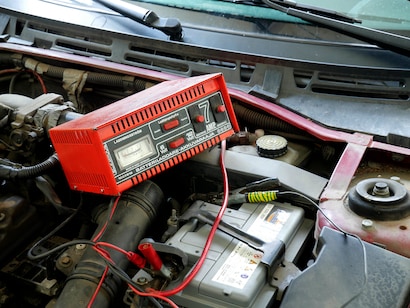
Car battery chargers come in different types. Each type has a specific amp rating. This rating tells how fast the charger adds power to the battery. Choosing the right charger depends on your car battery and how quickly you want it charged.
Understanding these chargers helps you pick the best one. It also protects your battery from damage. Here are the common types of chargers and their amp ratings.
Trickle Chargers
Trickle chargers have low amp ratings, usually 1 to 2 amps. They charge the battery very slowly. This slow charging is safe and keeps the battery full over time. Ideal for cars not used often or stored long periods. They prevent battery loss but take many hours to fully charge.
Standard Chargers
Standard chargers offer moderate amp ratings, around 4 to 10 amps. They charge the battery faster than trickle chargers. Suitable for regular use and quick battery charging. These chargers need monitoring to avoid overcharging. Good for everyday car owners needing a faster charge.
Smart Chargers And Their Benefits
Smart chargers adjust the amp rating automatically. They detect the battery’s condition and charge accordingly. These chargers prevent overcharging and protect battery life. They often include features like automatic shut-off and maintenance modes. Best choice for safe, efficient, and easy charging.
Safety Tips For Charging Car Batteries
Charging a car battery requires care and attention. Safety is very important during this process. Following simple safety tips can prevent accidents and damage. Understanding the right steps helps keep you and your battery safe.
Preventing Overcharging
Overcharging a battery can cause damage and reduce its life. Always use a charger with an automatic shut-off feature. Check the battery’s voltage regularly during charging. Avoid leaving the battery on charge for too long. A controlled charging current protects the battery from overheating.
Handling Battery Acid And Fumes
Car batteries contain acid that can harm skin and eyes. Wear protective gloves and safety glasses while charging. Keep sparks and flames away from the battery. Battery fumes can be harmful if inhaled. Avoid breathing near the battery during charging to stay safe.
Proper Ventilation And Environment
Charge the battery in a well-ventilated area. Ventilation helps disperse harmful gases from the battery. Avoid charging inside closed rooms or near flammable materials. Keep the battery on a stable surface to prevent tipping. A clean and dry environment improves safety during charging.
Signs Your Battery Needs Charging
Knowing when your car battery needs charging can save you from unexpected breakdowns. Batteries lose power slowly. You may notice small signs before the battery dies completely. Watch for these signs to keep your car running smoothly.
Common Battery Failure Symptoms
The engine may crank slowly or not start at all. Lights may appear dimmer than usual. You could hear clicking sounds when turning the key. Electrical accessories might work weakly or stop working. These signs often mean your battery is low on charge.
Using A Multimeter To Check Battery Health
A multimeter measures your battery’s voltage. Set it to DC volts and connect the probes to battery terminals. A healthy battery shows around 12.6 volts when the engine is off. Below 12.4 volts means the battery needs charging. Values under 12 volts indicate a weak or bad battery.
When To Replace Instead Of Charge
Charging may not help if the battery is very old or damaged. Look for corrosion on terminals or leaking fluid. If the battery won’t hold charge after several attempts, replacement is needed. A battery older than 3-5 years often needs replacing for reliable performance.
Tips For Maintaining Battery Health
Keeping your car battery healthy is important for its long life. Simple care habits can prevent many battery problems. These tips help you keep the battery strong and ready to use.
Good maintenance saves money and avoids unexpected battery failures. Follow these easy steps to protect your battery.
Regular Charging Habits
Charge your battery regularly to keep it full. Avoid letting the battery sit with low power for long. Use a charger with the right amp rating. Too much current can damage the battery. A slow, steady charge is best for battery health.
Avoiding Deep Discharges
Try not to let the battery drain completely. Deep discharges reduce battery life. Start the car often or charge the battery soon after use. This keeps the battery’s power strong and ready for the next start.
Storage Tips For Seasonal Vehicles
For cars used only in certain seasons, store the battery properly. Disconnect the battery if the car stays unused. Store it in a cool, dry place. Charge the battery every few weeks to keep it active. This stops the battery from losing power during storage.
Credit: www.carcitywholesale.com
Credit: www.eleccircuit.com
Frequently Asked Questions
How Many Amps To Charge A Car Battery Safely?
Charging a car battery safely requires 10 to 20 amps for standard batteries. Using a lower amp setting helps avoid overheating and damage. Always check your battery’s specifications for the best charging current. Slow charging extends battery life and ensures efficiency.
What Amp Setting Is Best For Fast Car Battery Charging?
For fast charging, use 20 to 40 amps, but only for short periods. High amps can heat the battery, risking damage. Always monitor the battery temperature during fast charging. Follow manufacturer guidelines to avoid reducing battery lifespan.
Can I Use A 2-amp Charger For My Car Battery?
Yes, a 2-amp charger is ideal for trickle charging and maintenance. It charges slowly, preventing overcharging and prolonging battery life. Use it when the battery is not deeply discharged. It’s perfect for preserving battery health over time.
How Long Does It Take To Charge A Car Battery At 10 Amps?
Charging at 10 amps typically takes 4 to 6 hours for a full charge. Time varies based on battery size and discharge level. Always charge in a well-ventilated area and avoid overcharging. Regularly check the battery voltage during charging.
Conclusion
Charging a car battery needs the right amount of amps. Too high can damage the battery, too low takes longer. Most car batteries charge well between 4 to 10 amps. Always check the battery’s manual for the best advice. Using a smart charger can help control the amps safely.
Regular charging keeps your battery healthy and ready. Now you know how many amps to use for charging. Keep your car battery strong and avoid unexpected problems. Simple steps make charging easy and safe.