

Have you ever been driving and suddenly worried your car might be overheating? Knowing the signs early can save you from costly repairs and dangerous breakdowns.
Your car’s engine runs hot, but how hot is too hot? If you’re unsure when your car is overheating, this guide will help you spot the warning signs quickly. Keep reading to learn what to watch for so you can protect your car and stay safe on the road.
Credit: www.motorbeam.com
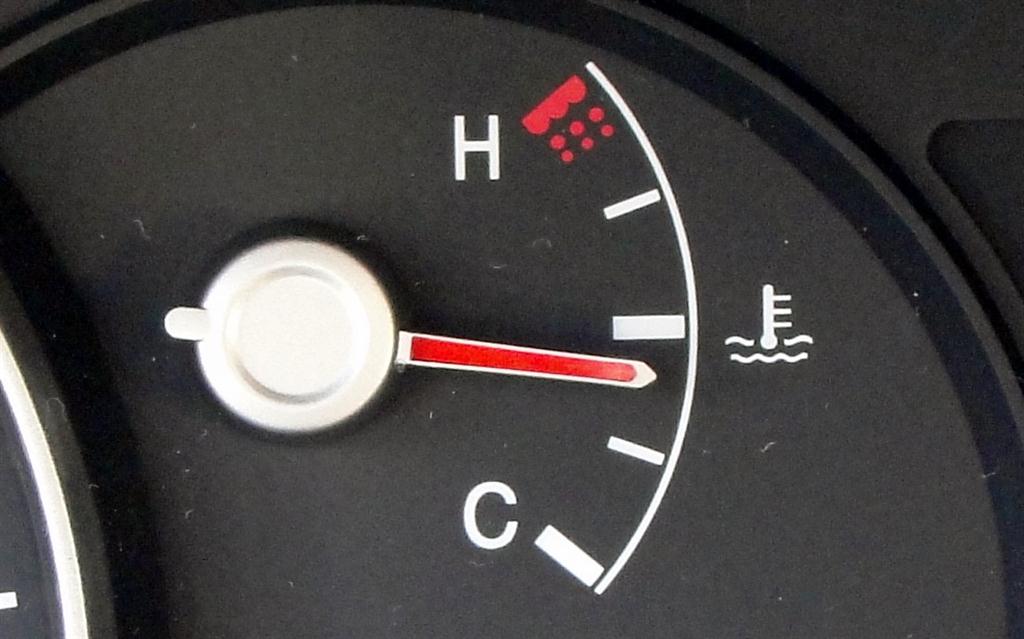
Engine Temperature Warning Light
A glowing engine temperature warning light signals your car may be too hot. This light means the engine is running hotter than normal and needs attention. Ignoring it can cause serious damage to your vehicle.
What Is The Engine Temperature Warning Light?
The engine temperature warning light is a small, red or yellow icon on the dashboard. It looks like a thermometer or a temperature gauge. This light shows up when the engine gets too hot.
It warns you that the engine may be overheating. Ignoring this light can cause serious engine damage. The warning light helps protect your car by alerting you early.
How To Recognize The Warning Light
The engine temperature warning light usually turns on suddenly. It can appear as a glowing symbol or flashing light. The color is often red, but sometimes it is yellow or orange.
The light stays on until the engine cools down or the problem is fixed. Do not confuse it with the oil or battery warning lights.
What To Do When The Light Comes On
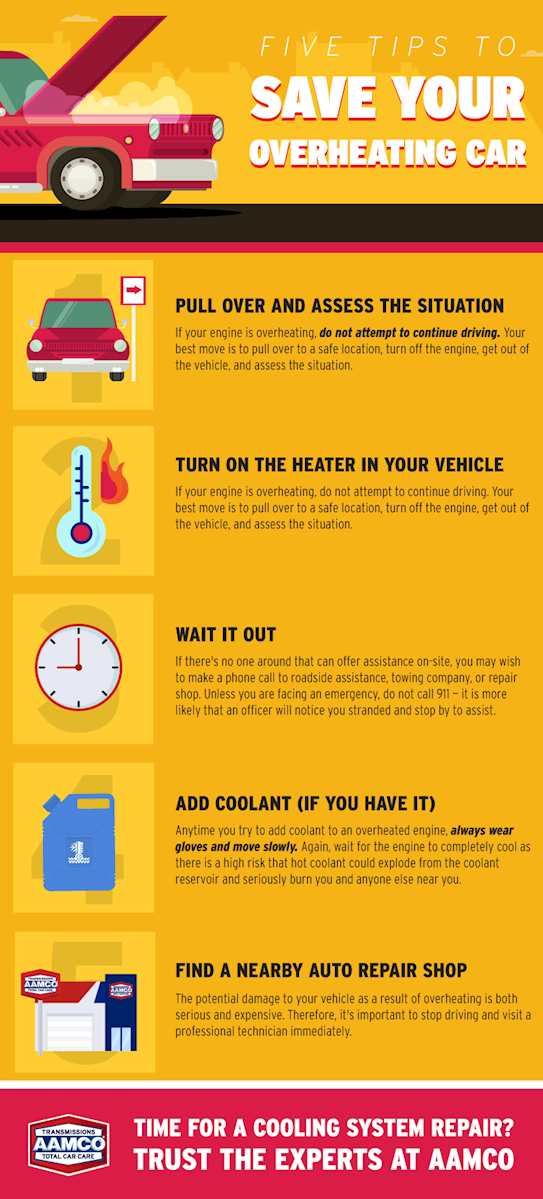
Stop driving as soon as it is safe to do so. Turn off the engine to let it cool down. Check the coolant level after the engine cools.
Do not open the radiator cap when the engine is hot. This can cause burns. Call for roadside help if you cannot find the problem.
Steam Or Smoke From The Hood
Steam or smoke coming from under the car’s hood is a clear warning sign. It means the engine is too hot and needs attention quickly. This sight can be scary, but it helps protect your car from serious damage.
Watching the hood closely can save your engine. The steam or smoke shows that something is wrong inside. It might be a leak or a broken part causing the overheating.
What Does Steam From The Hood Mean?
Steam usually comes from hot coolant escaping the system. Coolant helps keep the engine cool. If it leaks or boils, steam rises from the engine bay. This happens when the radiator or hoses crack or break.
How To Tell If It Is Smoke Or Steam
Steam looks white and wispy, like fog. Smoke is darker and thicker. White steam means overheating coolant. Dark smoke can mean oil or electrical problems. Both need quick checks to avoid damage.
What To Do When You See Steam Or Smoke
Stop the car safely. Turn off the engine to prevent more heat. Do not open the hood right away. Wait for the engine to cool down. Opening it too soon can cause burns from hot steam.
Unusual Smells In The Cabin
Unusual smells inside the car can signal overheating problems. These odors often appear before you see smoke or steam. Paying attention to these smells helps you act fast and avoid bigger damage.
Sweet Smell Inside The Car
A sweet smell often means coolant is leaking. Coolant has a sugary scent that stands out. This leak can cause the engine to overheat quickly. Smelling this inside the cabin is a warning sign.
Burning Odor In The Cabin
A burning smell may come from hot engine parts or melting wires. Overheating can cause rubber or plastic to burn. This smell is sharp and unpleasant. It needs immediate attention to prevent fire risk.
Hot Air Or Steam Smell
A smell like hot air or steam inside the car can mean the coolant is boiling. Steam can enter through the ventilation system. This odor signals the engine is too hot. Stop the car and check the cooling system soon.
Coolant Level Drops
Coolant is vital for keeping your car’s engine temperature safe. When the coolant level drops, the engine can get too hot. This drop often signals a problem that needs quick attention. Recognizing this early helps avoid serious engine damage.
Why Coolant Level Drops Matter
Coolant cools the engine by absorbing heat. Low coolant means less heat is removed. The engine runs hotter and risks overheating. Checking coolant levels regularly prevents unexpected engine trouble.
Common Causes Of Coolant Loss
Leaks are a main cause of coolant level drops. They can happen in hoses, the radiator, or the water pump. A loose cap or damaged tank also lets coolant escape. Finding leaks fast stops coolant from running out.
How To Check Coolant Level Safely
Wait until the engine is cool. Open the hood and locate the coolant tank. Check the level against the marks on the tank. Add coolant if it is below the minimum line. Use the right coolant type for your car.
Signs Of Low Coolant Besides Level Drops
Watch for steam from under the hood. Notice if the temperature gauge rises quickly. Smell a sweet, syrupy odor near the engine. These signs show coolant issues even before checking the tank.
Poor Engine Performance
Poor engine performance is a common sign of an overheating car. The engine struggles to work well when it gets too hot. This can cause many problems that affect how your car drives. Pay close attention to how your car feels while driving.
Loss Of Power
The engine may lose power as it overheats. It won’t accelerate like it used to. You might feel the car is weak or slow. This happens because the engine parts get too hot to work properly. The fuel may not burn right, causing less power. This can be dangerous on busy roads.
Engine Stalling
An overheating engine can stall unexpectedly. The car might stop running while you drive. This can happen at stoplights or during slow traffic. Stalling happens because the engine parts expand from heat. It interrupts the engine’s normal function. This issue needs quick attention to avoid damage.
Credit: www.aamcoblog.com
Hot Radiator Or Engine Block
One clear sign of a car overheating is a hot radiator or engine block. These parts get very hot when the engine runs too hot. Checking them can help you know if your car has a problem.
The radiator holds the coolant that cools the engine. If it feels extremely hot to touch, it means the cooling system may not work well. The engine block is the main part of the engine. It also gets very hot if the car overheats.
Touching The Radiator Carefully
Wait for the car to cool down before touching the radiator. A very hot radiator means the engine temperature is too high. Never open the radiator cap when it is hot. Hot steam and coolant can burn you badly.
Feeling The Engine Block Temperature
Open the hood and touch the engine block gently. It should be warm, not burning hot. If it is too hot, the engine is overheating. This can cause serious damage to the car’s parts.
Using A Thermometer For Accuracy
A temperature gun or infrared thermometer shows exact heat levels. Point it at the radiator or engine block. Temperatures above 220°F (104°C) are a sign of overheating. This tool helps avoid guesswork and keeps you safe.
Heater Malfunctions
Heater malfunctions often signal that a car might be overheating. The heater uses the engine’s heat to warm the cabin. If it stops working properly, it could mean the engine is too hot or the cooling system has issues. Noticing heater problems early helps prevent bigger engine damage.
No Heat From Heater
No heat from the heater means the engine coolant isn’t flowing correctly. This can happen if the thermostat is stuck closed or the coolant level is low. Without hot coolant, the heater core can’t warm the air. Cold air blowing inside the car is a clear sign of this problem.
Heater Blowing Hot Air
Heater blowing very hot air might seem good, but it can be a warning sign. It may mean the engine is overheating and coolant is too hot. This condition can cause damage if the driver ignores it. Hot air from the heater should prompt a quick check of the engine temperature gauge.
Unusual Noises From Engine
Unusual noises from the engine often signal a problem. These sounds can be a key sign your car is overheating. Engines make specific noises when parts get too hot or fail to work well. Paying attention to these noises helps you act fast and avoid damage.
Knocking Or Pinging Sounds
Knocking or pinging noises happen when the engine runs too hot. This noise comes from fuel burning unevenly inside the engine. It means the engine parts are under stress. Continuing to drive with this sound can cause serious damage.
Hissing Or Steam Sounds
Hissing or steam sounds come from the cooling system. This noise might mean coolant is leaking or boiling. The engine uses coolant to stay cool. A leak or low coolant level can cause overheating and that hissing noise.
Loud Ticking Or Clicking
A loud ticking or clicking noise can mean the engine oil is too thin or low. Hot engines need proper lubrication to work well. Without enough oil, parts rub harder and make ticking sounds. This noise warns of potential engine damage.
Frequent Need To Add Coolant
The frequent need to add coolant can signal a serious car problem. Coolant keeps the engine temperature steady. Losing coolant often means a leak or another issue. This can lead to engine overheating. Watch for this sign closely to avoid bigger damage.
Why Coolant Levels Drop Quickly
Coolant levels drop if there is a leak in the system. It may come from hoses, the radiator, or water pump. Sometimes, the coolant leaks inside the engine. This is harder to spot but very harmful.
Effects Of Low Coolant On Engine Temperature
Low coolant causes the engine to run hot. Without enough coolant, heat does not move away from the engine. This makes the engine temperature rise fast. Overheating can cause engine parts to break.
Signs Of A Coolant Leak
Look for puddles under the car. Coolant is often bright green, orange, or pink. You might also see steam from the engine. A sweet smell near the engine may also mean a leak.
Checking Coolant Levels Safely
Always check coolant when the engine is cool. Open the radiator cap slowly to avoid burns. Use the dipstick or reservoir to check levels. Refill only with the recommended coolant type.

Credit: www.youtube.com
Frequently Asked Questions
What Are Common Signs Of A Car Overheating?
Common signs include a rising temperature gauge, steam from the engine, and a burning smell. The engine may also lose power or stall.
How Can I Tell If My Car’s Temperature Is Too High?
Check the temperature gauge on your dashboard. If it moves into the red zone, your car is overheating.
Why Does My Car’s Engine Overheat Suddenly?
Sudden overheating may be due to coolant leaks, a broken thermostat, or a malfunctioning radiator fan.
What Should I Do If My Car Starts Overheating?
Stop driving immediately, turn off the engine, and let it cool. Check coolant levels and call for help if needed.
Conclusion
Knowing the signs of a car overheating can save you time and money. Watch for steam, strange smells, or a rising temperature gauge. Act quickly to avoid engine damage. Pull over safely and turn off the engine. Let the car cool before checking the coolant.
Regular maintenance helps prevent overheating problems. Stay alert on the road and keep your car healthy. Simple steps can stop small issues from becoming big troubles. Stay safe and keep your car running smoothly.


