

Are you thinking about buying a used car but worried about how many miles are too many? You’re not alone.
Knowing the right mileage can save you from unexpected repairs and headaches down the road. But how do you figure out what’s good mileage for a used car? Keep reading, because understanding this simple number can help you make a smarter, safer choice—and get the best value for your money.
Let’s dive into what you really need to know before you drive off.

Credit: www.jdpower.com
Mileage And Car Value
Mileage plays a key role in determining a used car’s value. It shows how much the car has been driven. Lower mileage usually means less wear and tear. This often leads to a higher price. Higher mileage can reduce the car’s value. Buyers often see it as a sign of more potential repairs.
Understanding how mileage affects car value helps buyers and sellers make smart choices. It also explains why some cars hold value better than others.
How Mileage Affects Price
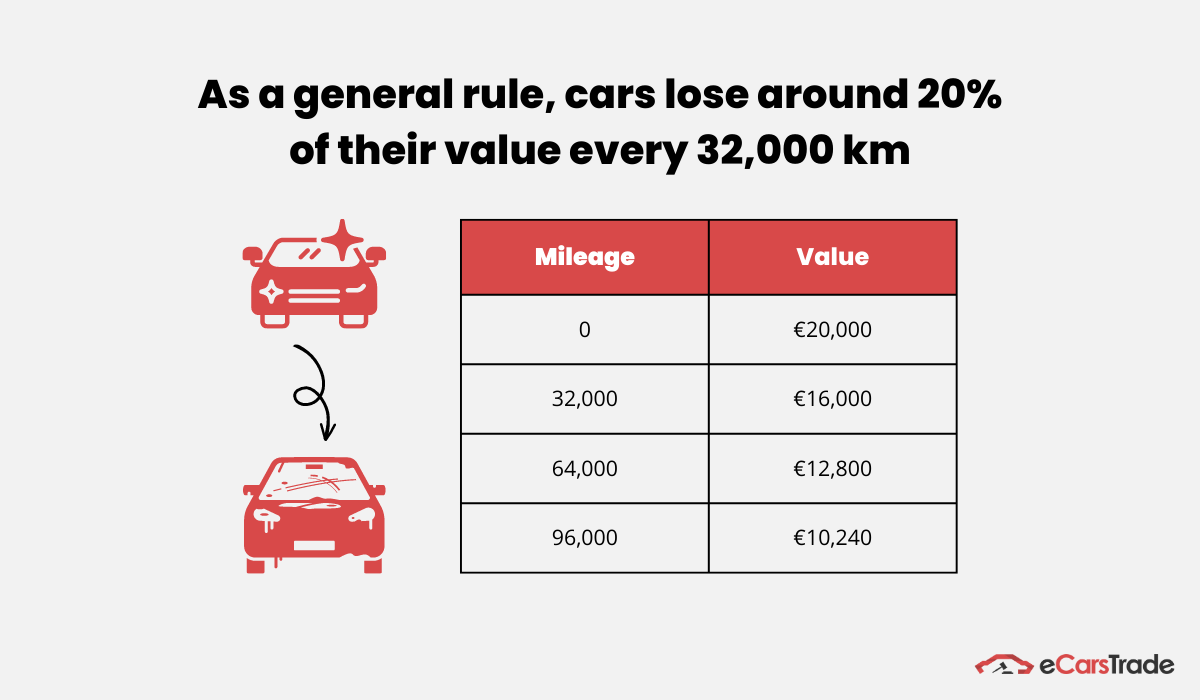
Price drops as mileage rises. Cars with fewer miles cost more. Sellers set higher prices for low-mileage cars. Buyers expect to pay less for cars with high miles. Each 10,000 miles can lower the price by a few hundred dollars. This depends on the car’s make and model. Some cars keep value better despite high miles.
Depreciation Trends
Cars lose most value in the first few years. Early mileage adds more to depreciation. After about 60,000 miles, value drops slower. Worn parts and maintenance affect depreciation too. A well-maintained car with high mileage may hold value better. Depreciation varies by brand and car type.
Comparing Low Vs High Mileage
Low mileage means less engine wear. It often means fewer repairs soon. High mileage cars may need more service. Some buyers prefer low mileage for peace of mind. Others choose high mileage cars for lower prices. The choice depends on budget and plans for the car.
Credit: ecarstrade.com
Mileage Benchmarks To Consider
Understanding mileage benchmarks helps you choose a reliable used car. Mileage affects a car’s value, condition, and lifespan. Some cars handle miles better than others. Knowing what mileage is normal or high can save money and trouble. Below are key mileage points to check before buying a used car.
Ideal Mileage For Different Car Types
Small cars often last longer with higher mileage. They usually run well past 150,000 miles. SUVs and trucks may show wear sooner due to heavy use. Luxury cars might have lower mileage because owners drive them less. Electric cars use mileage differently, with battery health more important than miles. Consider the car type before judging its mileage.
Average Mileage Per Year
Most drivers put about 12,000 to 15,000 miles on cars yearly. Cars with mileage close to this range usually have normal wear. Lower yearly miles may mean less use, but check for hidden issues. Higher yearly miles could suggest heavy or long-distance driving. Comparing mileage to the car’s age helps spot unusual use patterns.
When Mileage Becomes A Concern
Mileage over 100,000 miles raises some risks but is not always bad. Cars with high miles need extra checks on engine and parts. Excessive mileage may mean costly repairs soon. Low mileage cars might have problems from sitting idle too long. Always inspect service records and car history, no matter the miles.
Other Factors Beyond Mileage
Mileage matters when buying a used car, but it is not the only factor. Other elements reveal the true condition and value of the vehicle. These details help you avoid future problems and extra costs. Focus on key areas like maintenance, age, and accident history. They show how well the car has been cared for and how reliable it is now.
Maintenance History
Maintenance history shows if the car received regular care. Oil changes, tire rotations, and brake checks keep a car running smoothly. A well-maintained car lasts longer and costs less to fix. Ask for service records to confirm the owner followed the schedule. A car without records might have hidden issues.
Vehicle Age And Condition
Vehicle age affects its parts and technology. Older cars may have worn-out components even with low miles. Look for rust, dents, and worn tires. Check the engine and interior condition. A newer car with higher miles can be better than an old car with low miles. Condition tells a lot about how the car was treated.
Accident And Repair Records
Accident history can reduce a car’s value and safety. Repairs after crashes may hide damage or weaken the frame. Ask for reports or use online tools to check accident records. A car with no accidents is often more reliable. Repair quality also matters; cheap fixes can cause problems later.

Credit: www.simivalleychryslerdodgejeepram.com
Checking Mileage Accuracy
Checking mileage accuracy is a key step when buying a used car. The odometer shows how many miles the car has traveled. This number helps buyers judge the car’s condition and value. Sometimes, this mileage can be wrong or altered. Knowing how to check mileage can save you from costly mistakes.
Spotting Odometer Fraud
Odometer fraud means the mileage is rolled back or changed. It hides the real wear of the car. Check the odometer for scratches or loose screws. These signs can mean tampering. Compare the mileage number with other car parts. For example, worn pedals or seats might not match low miles. Always be careful with very low mileage on an old car.
Using Vehicle History Reports
Vehicle history reports show past mileage records. They include services, accidents, and title changes. Use these reports to see if mileage numbers match. Many services offer reports online using the car’s VIN. Consistent mileage in reports is a good sign. Look out for big jumps or drops in miles. These can indicate errors or fraud.
Signs Of Tampered Mileage
Look for uneven wear in the car’s interior. Worn tires, pedals, or steering wheel may not match low miles. Check the car’s service stickers and oil change labels. They often show mileage and dates. Mismatched or missing stickers can be a red flag. Trust your eyes and instincts when something feels off.
Expert Tips For Smart Buyers
Buying a used car needs careful thinking about miles. Experts share tips that help buyers choose wisely. These tips focus on mileage, price, and negotiation. They guide buyers to get good value without surprises.
Setting A Mileage Limit
Decide the highest mileage you want before shopping. Many experts suggest under 100,000 miles for reliability. Lower miles often mean less wear and longer car life. Check the car’s service history to confirm proper care. A clear limit helps narrow choices and avoid costly repairs.
Balancing Mileage And Price
Lower mileage cars cost more but may last longer. Higher mileage cars are cheaper but might need repairs soon. Find a balance that fits your budget and needs. Consider the car model’s reputation for durability. Sometimes, paying a bit more upfront saves money later.
Negotiation Strategies
Use mileage as a key point when negotiating price. Mention any needed repairs or upcoming maintenance due to miles. Show knowledge of average prices for similar mileage cars. Stay calm and polite while discussing. Good negotiation can lower the price or add extras like warranty.
Mileage Impact On Long-term Ownership
Mileage plays a big role in how long a used car lasts. It shows how much the car was driven before. Higher mileage often means more wear and tear. This can affect costs and the car’s value. Understanding mileage helps buyers make smart choices. It also helps predict future expenses.
Choosing a car with the right mileage can save money and stress. It can also impact how reliable the car will be over time. Let’s explore how mileage affects resale value, maintenance costs, and reliability.
Resale Value Considerations
Cars with lower mileage usually sell for more. Buyers prefer vehicles with fewer miles. High mileage lowers the resale price quickly. Some buyers avoid cars with very high miles. The car’s brand and condition also matter. But mileage is a key factor in price.
Maintenance Costs Over Time
Higher mileage cars often need more repairs. Parts wear out after many miles. Regular maintenance becomes more important. Costs can rise as the car ages. Low mileage cars may have fewer issues. Keeping up with service helps avoid big bills later.
Reliability Expectations
Cars with fewer miles tend to be more reliable. High mileage can mean more breakdowns. Some models hold up better with more miles. Researching a car’s history is important. A well-maintained high-mileage car can still be dependable. Mileage gives a quick idea of reliability risks.
Frequently Asked Questions
How Many Miles Is Good For A Used Car?
A good mileage for a used car is typically between 30,000 and 70,000 miles. This range suggests moderate use and potential for many more years of reliable service. Always consider maintenance history alongside mileage for the best value.
Does Higher Mileage Mean A Bad Used Car?
Not always. Higher mileage cars can be reliable if well-maintained. Quality service records and fewer accidents matter more than just the miles. Inspect the vehicle thoroughly before buying.
How Does Mileage Affect Used Car Price?
Higher mileage generally lowers the price, as it implies more wear and tear. Cars with lower mileage often sell at a premium due to expected longer lifespan and fewer repairs.
What Mileage Indicates A Car’s Lifespan?
Most modern cars can last 200,000 miles or more with proper care. Regular maintenance and driving habits greatly influence longevity, making mileage just one factor in a car’s lifespan.
Conclusion
Choosing a used car with the right miles matters a lot. Generally, cars with 60,000 to 100,000 miles can still run well. Check the car’s service history and condition too. A well-maintained car often lasts longer than its mileage suggests.
Trust your eyes and listen to the seller carefully. Take time to test drive and inspect the vehicle. Smart decisions help you find a car that fits your needs and budget. Miles tell part of the story, but care and quality matter most.


