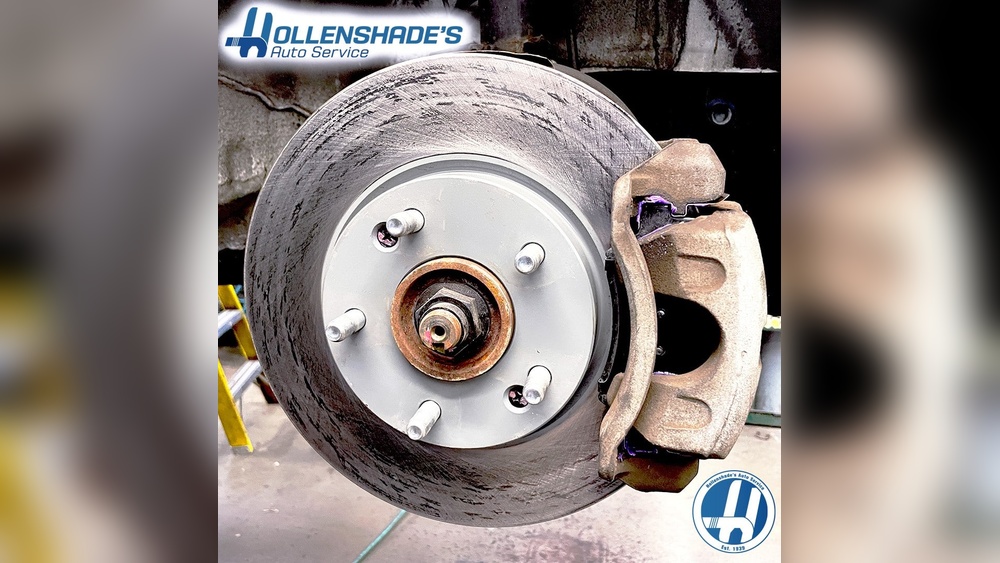
How do you know if you need brake rotors? It’s a question that might not cross your mind until you hear strange noises or feel unusual vibrations when you stop.
Your brakes are one of the most important parts of your car, and worn-out rotors can put your safety at risk. But how can you tell when it’s time to replace them? You’ll discover the clear signs your brake rotors are failing and what you should watch for.
Keep reading to protect yourself, save money, and avoid costly repairs down the road.

Credit: mechanics.stackexchange.com
Signs Of Worn Brake Rotors
Brake rotors wear down over time and affect your car’s safety. Knowing the signs helps you act fast. Worn brake rotors can cause problems that are easy to notice.
Pay attention to sounds, feel, and looks. These clues show if your rotors need attention. Here are key signs to watch for.
Squealing Or Grinding Noises
Squealing means the brake pads are rubbing unevenly. Grinding sounds mean metal is touching metal. This noise shows rotors may be worn or damaged.
Vibrations When Braking
Feel a shake or vibration through the brake pedal? This often means the rotors are warped. Warped rotors make braking less smooth and safe.
Visible Grooves Or Scoring
Look at the rotor surface closely. Deep grooves or scoring marks mean wear. These marks reduce braking power and need repair or replacement.
Increased Stopping Distance
Notice it takes longer to stop your car? Worn rotors reduce braking efficiency. This increases the risk of accidents and needs urgent attention.
Physical Inspection Tips
Physical inspection of your brake rotors helps catch problems early. This can save money and keep driving safe. You do not need special tools. Just follow simple steps to check the condition of your rotors.
Checking Rotor Thickness
Measure the rotor thickness using a micrometer or caliper. Compare the measurement to the minimum thickness listed in your vehicle’s manual. Thin rotors can cause poor braking and need replacement. Rotors wear down over time from friction with brake pads.
Inspecting For Warping
Look for signs of warping by spinning the wheel slowly. Notice any wobbling or uneven movement of the rotor surface. Warped rotors cause vibrations or shaking when braking. Warping often happens from heavy braking or overheating.
Looking For Rust Or Corrosion
Check the rotor surface for rust or corrosion patches. Light surface rust can be cleaned but deep rust weakens the rotor. Corrosion can cause noise and reduce brake effectiveness. Keep rotors dry and clean to prevent rust buildup.
Impact Of Driving Habits
Driving habits play a big role in how fast brake rotors wear out. Different ways of driving put different pressures on the rotors. Knowing these habits helps you spot signs of rotor wear early. This keeps your brakes working well and your drives safe.
Frequent Hard Braking
Stopping hard often heats the brake rotors quickly. High heat can cause the rotors to warp or crack. This makes the brakes feel shaky or noisy. Rotors wear faster with frequent hard stops. Check rotors more often if you brake hard regularly.
Driving In Hilly Areas
Hills make brakes work harder. Going downhill needs more braking to control speed. This adds heat and pressure on rotors. Long downhill drives can cause rotor damage. Inspect rotors frequently if you drive in hilly places.
City Vs. Highway Driving
City driving means stopping and starting a lot. This uses brakes more often and heats rotors. Rotors wear faster in heavy traffic. Highway driving lets brakes cool down more. Rotors last longer with steady highway speeds.

Credit: www.youtube.com
When To Replace Brake Rotors
Knowing the right time to replace brake rotors is important for your car’s safety. Worn or damaged rotors can reduce braking power. This can lead to longer stopping distances and unsafe driving conditions. Understanding when to change them helps keep your vehicle safe and running smoothly.
Manufacturer’s Recommendations
Car makers set specific guidelines for rotor replacement. These are based on the type and use of the vehicle. Check your owner’s manual for these details. Following these recommendations ensures your brakes work as designed. It also helps avoid costly repairs later.
Signs You Can’t Ignore
Listen for unusual noises like squealing or grinding when braking. Feel for vibrations or pulsing in the brake pedal. Look for visible grooves, cracks, or rust on the rotors. These signs show rotors may be worn out or damaged. Acting fast can prevent further damage to your brake system.
Cost Vs. Safety Considerations
Replacing rotors costs money but protects your life. Worn rotors reduce brake performance and increase crash risk. Spending on new rotors is a smart investment in safety. Ignoring rotor wear can lead to bigger, expensive repairs. Prioritize safety over saving a few dollars today.
Maintaining Brake Rotors
Maintaining brake rotors is key to safe driving and smooth braking. Rotors wear down over time and need care to last longer. Proper maintenance saves money and prevents accidents. Simple steps can keep rotors in good shape and improve brake performance.
Regular Brake Inspections
Check your brakes often for signs of wear or damage. Listen for strange noises like squealing or grinding. Look for vibrations when braking. These signs may mean your rotors need attention. Regular inspections catch problems early. Visit a mechanic if you notice any issues.
Proper Brake Pad Replacement
Change brake pads before they wear out completely. Worn pads can damage rotors quickly. Use the right pads for your vehicle. Poor quality or wrong pads can cause uneven rotor wear. Replace pads in pairs for balanced braking. This helps rotors last longer and brakes work better.
Avoiding Rotor Damage
Do not drive with overheated brakes. Hard or sudden stops can warp rotors. Avoid riding the brakes on long downhill drives. Keep rotors clean from dirt and rust. Use gentle braking whenever possible. These habits protect rotors and keep your brakes reliable.
Credit: www.reddit.com
Frequently Asked Questions
How Can I Tell If My Brake Rotors Need Replacement?
You may notice vibrations, squealing, or longer stopping distances. Visual signs include grooves, cracks, or rust on the rotors. These symptoms indicate wear or damage, suggesting it’s time to replace your brake rotors for safety and optimal braking performance.
What Causes Brake Rotors To Wear Out Quickly?
Frequent hard braking, driving in hilly areas, or using low-quality brake pads can wear rotors faster. Heat buildup and corrosion also contribute. Proper maintenance and timely replacement of brake pads help extend rotor life and ensure smooth braking.
Can I Drive Safely With Worn Brake Rotors?
Driving with worn rotors reduces braking efficiency and increases stopping distance. It also risks rotor cracking or brake failure. For your safety, replace worn rotors immediately to maintain proper vehicle control and avoid costly repairs.
How Often Should Brake Rotors Be Inspected?
Brake rotors should be checked every 12,000 miles or during routine brake service. Regular inspections help catch wear or damage early, preventing brake failure and maintaining safe driving conditions.
Conclusion
Worn brake rotors can cause serious safety problems. Pay attention to noise, vibration, or poor braking. Regular checks help catch issues early. Don’t wait for brakes to fail completely. Replacing rotors on time keeps your car safe. Trust your senses and stay alert while driving.
Good brakes mean peace of mind on the road. Act quickly to avoid costly repairs later. Simple steps protect you and your passengers every trip.