
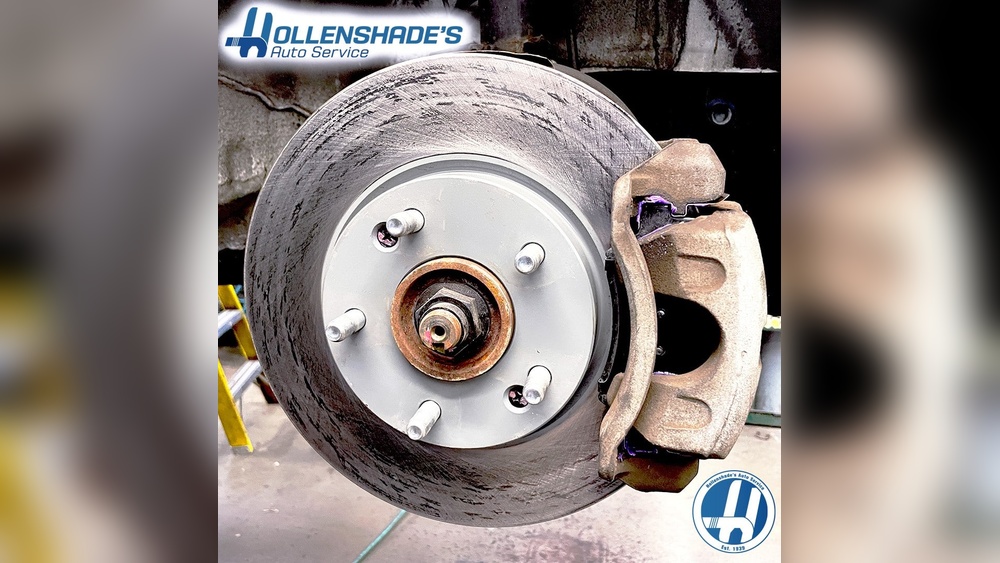
Have you ever wondered how long your brake pads and rotors actually last? Knowing the answer can save you from unexpected repairs and keep your driving smooth and safe.
If you’ve been ignoring those squeaky brakes or shaky stops, it’s time to understand what’s happening beneath your wheels. You’ll discover the key signs to watch for, how different driving habits affect wear, and simple tips to get the most out of your brakes.
Keep reading—your safety and wallet will thank you.
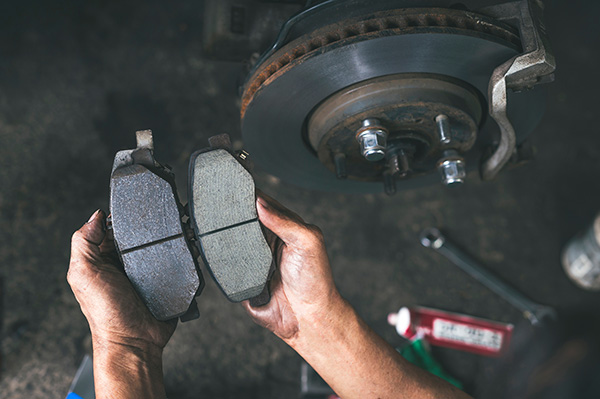
Credit: www.shermanoaksexclusive.com
Brake Pads Lifespan
Brake pads are a key part of your vehicle’s braking system. They press against the rotors to slow or stop your car. Knowing how long brake pads last helps you keep safe on the road. Their lifespan varies based on many factors. Understanding these helps you plan for maintenance and avoid sudden brake problems.
Factors Affecting Brake Pad Wear
Driving style impacts brake pad wear. Hard braking wears pads faster. City driving with many stops causes more wear than highway driving. The quality of the brake pads also matters. Cheaper pads wear out sooner. Weather conditions, like rain or snow, can speed up wear. Heavy loads or towing add extra stress on brake pads.
Types Of Brake Pads And Durability
Semi-metallic pads are common and last about 30,000 to 50,000 miles. They handle heat well but can be noisy. Ceramic pads last longer, around 40,000 to 70,000 miles. They are quieter and produce less dust. Organic pads wear out quicker, usually within 20,000 to 40,000 miles. They are softer and less expensive but less durable.
Average Mileage For Brake Pads
Brake pads typically last between 30,000 and 70,000 miles. Many drivers change them near 50,000 miles. Some high-performance pads last less because they are softer. Regular inspections help catch wear early. Mileage varies by driving habits and pad type.
Signs Brake Pads Need Replacement
Squeaking or squealing noises mean pads may be worn. A grinding sound shows pads are very thin. Longer stopping distances also signal wear. The brake warning light on your dashboard can come on. If you feel a vibration when braking, it may be time to check the pads.
Rotor Lifespan
Rotors are a key part of your car’s braking system. They work with brake pads to stop your vehicle safely. Knowing how long rotors last helps you plan maintenance. Rotor lifespan depends on many factors. These include the material, driving style, and road conditions.
Materials And Rotor Longevity
Rotors come in different materials, such as cast iron and composite. Cast iron rotors are common and durable. They usually last longer but can be heavier. Composite rotors are lighter and often cool faster. Some high-performance rotors have special coatings to reduce wear. The material affects how quickly rotors wear out.
Impact Of Driving Habits On Rotors
Driving style greatly affects rotor life. Hard braking wears rotors faster. Frequent stop-and-go traffic also adds more wear. Driving on hilly roads demands more from the brakes. Smooth, gentle braking helps rotors last longer. Avoid riding the brakes to extend rotor life.
Average Mileage For Rotors
Most rotors last between 30,000 and 70,000 miles. Some can go beyond 70,000 miles with careful use. Rough roads or heavy loads shorten rotor life. Regular inspection helps catch rotor wear early. Mileage varies by vehicle type and rotor quality.
When To Replace Rotors
Replace rotors if you hear squealing or grinding sounds. Warped rotors cause vibrations when braking. Visible grooves or cracks mean it’s time to change them. Thin rotors cannot cool well and lose braking power. Always check rotor thickness during brake service.
Maintenance Tips To Extend Life
Brake pads and rotors wear out over time. Proper care can make them last longer. Simple maintenance habits protect your car and save money. Follow these tips to keep brakes in good shape.
Regular Inspections
Check brake pads and rotors often. Look for signs of wear or damage. Thin pads or deep grooves on rotors mean it’s time to replace. Early spotting of issues prevents costly repairs. Inspect every 10,000 miles or during oil changes.
Proper Driving Techniques
Drive gently to reduce brake wear. Avoid sudden stops and hard braking. Use engine braking by downshifting on hills. Keep a safe distance to brake smoothly. This lowers heat and friction on brake parts.
Brake System Upkeep
Keep brake fluid clean and at the right level. Change fluid as recommended by the manufacturer. Check brake lines for leaks or cracks. Clean brake components to remove dust and dirt. Proper upkeep ensures brakes work well and last longer.
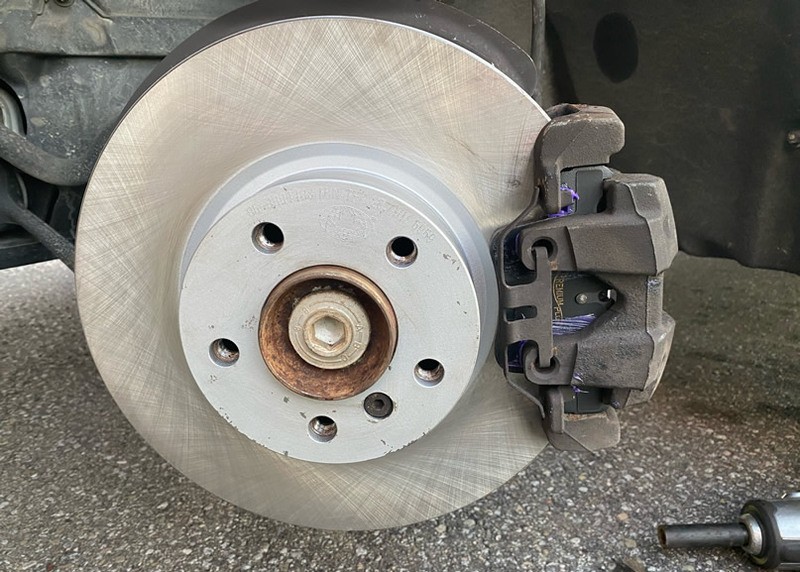
Credit: www.allrotors.com
Cost Implications Of Replacement
Replacing brake pads and rotors costs money. These costs depend on car type and service quality. Knowing these expenses helps plan your budget well.
Ignoring brake wear can lead to bigger bills later. Timely replacement keeps your car safe and saves money.
Brake Pad Replacement Costs
Brake pads usually wear out every 30,000 to 70,000 miles. The cost to replace them ranges from $100 to $300. Labor charges affect the final price. Cheaper pads last less but cost less. Premium pads cost more but last longer.
Rotor Replacement Expenses
Rotors last longer than brake pads but wear out too. Rotor replacement costs range from $200 to $400 for each axle. Some cars need rotor resurfacing, which lowers expenses. Severe rotor damage requires full replacement, raising costs.
Long-term Savings With Maintenance
Regular brake checks prevent sudden failures and costly repairs. Changing pads on time avoids rotor damage. Maintaining brakes extends their life and saves money. Clean brakes perform better and last longer. Investing in maintenance reduces total brake system costs.
Upgrading Brake Components
Upgrading brake components can improve your vehicle’s safety and performance. New parts can last longer and work better. Choosing the right brake pads and rotors helps you stop smoothly and safely. This section explains key points about upgrading brake parts for better driving.
Performance Brake Pads And Rotors
Performance brake pads and rotors are made for stronger braking. They handle more heat and pressure than standard parts. This means they wear out slower and keep your brakes responsive. Sports cars and trucks often use these parts for better control and safety on the road.
Benefits Of High-quality Materials
High-quality brake parts use better materials like ceramic or carbon fiber. These materials resist heat and wear better than cheap ones. They create less dust and noise while braking. High-quality parts also reduce the risk of brake fade during long drives or heavy braking.
Choosing The Right Parts For Your Vehicle
Select brake pads and rotors that fit your vehicle’s make and model. Use parts that meet or exceed manufacturer standards. Proper fit ensures safety and optimal brake performance. Check vehicle manuals or ask a mechanic for recommendations to get the best match.

Credit: www.performancehondastore.com
Frequently Asked Questions
How Long Do Brake Pads Typically Last?
Brake pads usually last between 30,000 to 70,000 miles. Their lifespan depends on driving habits, vehicle type, and pad quality. Frequent city driving or heavy braking can wear pads faster. Regular inspections help maintain optimal performance and safety.
When Should Rotors Be Replaced?
Rotors should be replaced if they are warped, cracked, or below the minimum thickness. Generally, rotors last 50,000 to 70,000 miles. Worn rotors can cause vibrations and reduce braking efficiency. Regular checks ensure timely replacement and safe driving.
Can Brake Pads And Rotors Last Longer?
Yes, proper driving habits and regular maintenance extend their life. Avoid hard braking, reduce speed gradually, and schedule routine inspections. Using high-quality parts also improves durability. These practices save money and enhance vehicle safety.
How To Tell If Brake Pads Need Replacement?
Listen for squealing or grinding noises when braking. Also, check if braking feels less responsive or the pedal vibrates. Visually inspect pads through the wheel spokes for thickness below 3mm. Early detection prevents rotor damage and ensures safe stopping.
Conclusion
Brake pads and rotors wear out over time, depending on use. Regular checks help spot wear early and keep driving safe. Driving habits, road type, and vehicle affect how long they last. Replacing parts on time avoids costly repairs and keeps brakes strong.
Listen for noises and watch for vibration as warning signs. Taking care of brakes protects you and others on the road. Stay aware, inspect often, and don’t wait to replace worn parts. Safety matters most every time you drive.


