

Have you noticed a strange vibration or shaking when you press your brake pedal? Or maybe your car feels like it’s pulling to one side as you slow down?
These could be signs that your brake rotors are warped. Knowing when your rotors need attention is crucial for your safety and your vehicle’s performance. You’ll discover the clear signs of warped brake rotors and what you can do about them before a small problem turns into a costly repair.
Keep reading to protect yourself and keep your brakes working smoothly.
Symptoms Of Warped Rotors
Warped brake rotors cause problems that affect your car’s stopping power. Knowing the symptoms helps you spot rotor issues early. This way, you can fix them before they cause bigger damage. Warped rotors usually show clear signs through how your car feels and sounds when braking. Here are the common symptoms to watch for.
Vibrations When Braking
Feel shaking in the steering wheel or brake pedal? Warped rotors often cause this. The uneven surface of the rotor makes the brakes pulse. This pulsing creates vibrations you can feel in your hands and feet. Vibrations usually get worse as you press the brakes harder. This is a strong sign your rotors need attention.
Pulsing Brake Pedal
A brake pedal that pulses up and down means rotor warping. Instead of a smooth stop, the pedal moves unevenly. This happens because the brake pads hit high and low spots on the rotor. Pulsing can make it harder to control the car during braking. It also warns that the rotors are damaged.
Noise During Braking
Warped rotors can cause strange noises when braking. You might hear grinding, squealing, or scraping sounds. These noises come from uneven contact between the rotor and brake pads. The sound often changes with the speed and pressure of braking. Noisy brakes need a quick check to avoid further wear.
Uneven Brake Pad Wear
Check your brake pads for uneven wear patterns. Warped rotors cause brake pads to wear more on some spots than others. This uneven wear reduces braking efficiency. It also means you need to replace pads more often. Uneven brake pad wear is a clear sign of rotor problems.
Causes Of Rotor Warping
Brake rotor warping happens when the rotors lose their smooth surface. This problem affects braking performance and safety. Understanding the causes helps prevent damage and costly repairs. Several factors can make rotors warp over time.
Excessive Heat Build-up
Heat is the main cause of rotor warping. Brakes create heat when pressed. Too much heat makes the metal expand unevenly. This causes the rotor to bend or warp. Long downhill drives or heavy braking raise heat levels quickly. Cooling down takes time and care.
Improper Installation
Incorrect rotor installation leads to uneven pressure. Misaligned rotors do not sit flat on the hub. This causes stress and wobbling during braking. Over time, the rotor surface wears unevenly. The result is a warped rotor and shaky brakes.
Poor Quality Rotors
Low-quality rotors use cheap materials. They cannot handle heat and stress well. These rotors wear out faster and warp easily. Investing in good rotors improves brake life and safety. Avoid rotors with weak metal or thin design.
Aggressive Driving Habits
Hard braking and sudden stops increase rotor stress. Frequent rapid braking heats the rotors too much. This repeated stress causes warping over time. Smooth and steady braking reduces wear. Gentle driving protects rotors and brakes longer.
Diagnosing Warped Rotors
Diagnosing warped brake rotors helps keep your car safe. Warped rotors cause vibration and noise during braking. Early diagnosis prevents costly damage and improves driving comfort. Several methods help identify rotor issues with simple tools and careful observation.
Visual Inspection Tips
Start by removing the wheel and brake pads. Check the rotor surface for grooves, rust, or discoloration. Warped rotors often show uneven wear or hot spots. Look for cracks or deep scratches. Clean the rotor to see damage clearly. A smooth, even surface means the rotor is likely fine.
Measuring Rotor Thickness
Use a micrometer or caliper to measure thickness. Compare measurements to the car manual’s minimum thickness. Rotors thinner than the limit need replacement. Measure at several points around the rotor’s edge. Uneven thickness may cause vibration and braking issues.
Using A Dial Indicator
Attach a dial indicator to the rotor hub. Spin the rotor slowly by hand. Watch the dial for up-and-down movement. Movement over 0.002 inches usually means warping. This method shows rotor runout, a key sign of warping. It helps decide if resurfacing or replacement is needed.
Professional Brake Inspection
Visit a mechanic for a thorough brake check. Professionals use advanced tools and experience to diagnose issues. They test rotor condition, brake pads, and calipers. A professional inspection ensures accurate diagnosis and safe repairs. Early checks save money and prevent accidents.

Credit: www.youtube.com
Solutions For Warped Rotors
Warped brake rotors cause vibrations and reduce braking power. Fixing them quickly ensures safety and smooth driving. Several solutions exist depending on the damage and rotor condition.
Resurfacing Rotors
Resurfacing removes a thin layer of the rotor surface. It smooths out uneven areas and restores flatness. This option is cost-effective if the rotor thickness is still sufficient. Resurfacing extends rotor life and improves brake performance. It requires special tools and professional skills.
Rotor Replacement
Replacing rotors is necessary if damage is severe or thickness is too low. New rotors guarantee perfect flatness and better braking. Replacement avoids future problems from worn or cracked rotors. It is a safer and more reliable option for old or badly warped rotors.
Brake System Maintenance
Regular brake maintenance prevents rotor warping. Check brake pads, fluid, and calipers often. Worn pads cause uneven pressure and rotor damage. Clean and lubricate moving parts to avoid sticking. Proper maintenance keeps the entire braking system balanced and effective.
Upgrading To High-performance Rotors
High-performance rotors resist heat and warping better than standard ones. They often have improved design features like slots or drilled holes. These rotors cool faster and provide better stopping power. Upgrading suits drivers who need stronger brakes for heavy use. It enhances safety and durability under tough conditions.
Preventing Rotor Warping
Preventing rotor warping helps keep your brakes safe and effective. Warped rotors cause vibrations and reduce stopping power. Taking simple steps can extend rotor life and improve driving comfort.
Careful habits and regular checks reduce the risk of damage to brake rotors. Using quality parts and timely maintenance also helps avoid problems.
Proper Driving Techniques
Drive smoothly to protect your brake rotors. Avoid hard braking and sudden stops. Slow down gradually on hills and in traffic. This reduces heat and stress on the rotors.
Routine Brake Checks
Check your brakes often for signs of wear. Look for noises, vibrations, or pulling to one side. Early detection of issues prevents serious rotor damage. Regular inspections keep brakes working well.
Quality Brake Components
Use good quality rotors and brake pads. Cheap parts wear out faster and can cause warping. Investing in reliable components ensures better heat handling and durability.
Timely Brake Pad Replacement
Change brake pads before they wear too thin. Worn pads increase rotor heat and damage. Regular replacement protects rotors and maintains braking power. Follow manufacturer guidelines for replacement intervals.
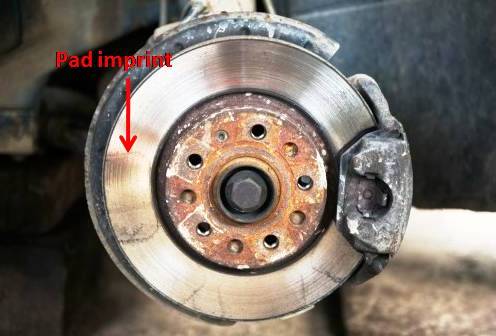
Credit: trade.mechanic.com.au

Credit: www.reddit.com
Frequently Asked Questions
What Are The Common Signs Of Warped Brake Rotors?
Warped brake rotors cause vibration or pulsation when braking. You may hear squealing or grinding noises. Uneven brake pad wear is another sign.
How Does Warped Rotor Affect Braking Performance?
Warped rotors reduce braking efficiency. They cause inconsistent brake pressure and longer stopping distances. This compromises vehicle safety.
Can I Drive With Warped Brake Rotors?
Driving with warped rotors is unsafe. It can cause steering issues and brake failure. Get them inspected and replaced promptly.
How To Check If Brake Rotors Are Warped?
Feel for brake pedal vibration when stopping. Listen for unusual noises. A mechanic can measure rotor thickness and runout for accuracy.
Conclusion
Warped brake rotors cause vibration and noise when braking. Feeling a pulsing pedal or hearing strange sounds signals a problem. Regularly check your brakes to stay safe on the road. Replacing warped rotors improves driving comfort and control. Don’t wait until the issue worsens or causes damage.
Keep your vehicle’s braking system in good shape. Small signs often mean bigger problems ahead. Act early to protect yourself and others while driving.


