
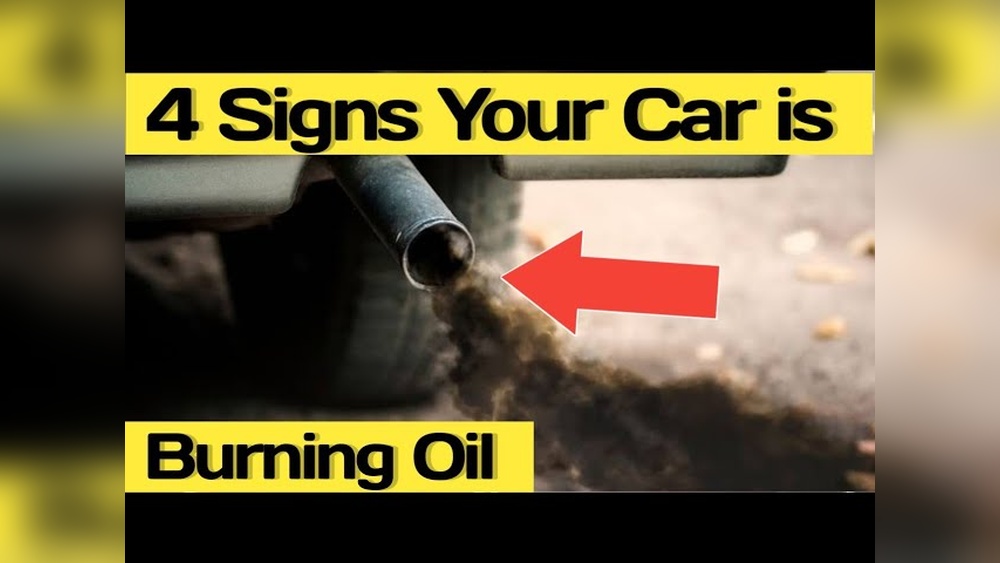
Have you ever noticed smoke coming from your car’s exhaust or found oil spots where you park? These could be signs that your car is burning oil.
But how do you know for sure? Knowing the warning signs can save you from costly repairs down the road. You’ll learn exactly what to watch for and how to catch the problem early. Keep reading to protect your car and your wallet.

Credit: www.reddit.com
Common Symptoms
Burning oil in a car causes several clear signs. Recognizing these symptoms helps prevent serious engine damage. Watch for changes in exhaust, smells, and engine performance. Acting early can save money and keep your car running well.
Blue Smoke From Exhaust
Blue smoke from the exhaust means oil is burning inside the engine. It often appears during startup or acceleration. This smoke is different from normal white or black exhaust. It signals oil leaking into the combustion chamber.
Frequent Oil Top-ups
Needing to add oil often is a warning sign. Burning oil lowers the oil level quickly. Check your oil level regularly. If it drops fast, the engine may be burning oil.
Burning Oil Smell
A strong smell like burning oil inside or outside the car is a symptom. This smell comes from oil leaking onto hot engine parts. It can be faint at first but grows stronger over time.
Engine Misfires
Engine misfires or rough idling can indicate burning oil. Oil fouls spark plugs and disrupt combustion. This causes the engine to run unevenly or stall. Pay attention to sudden changes in engine smoothness.
Oil Level Checks
Checking your car’s oil level is a key step to know if your engine is burning oil. Low oil levels can signal oil burning, which harms the engine. Regular oil checks help spot problems early and keep the engine safe.
Oil level checks are easy and quick. You can do them yourself without special tools. This keeps you informed about your car’s health and avoids costly repairs.
How To Check Oil Level
Park your car on a flat surface and turn off the engine. Wait a few minutes for the oil to settle. Open the hood and find the dipstick. Pull it out and wipe it clean with a cloth. Insert it back fully, then pull it out again. Check where the oil marks on the dipstick. The oil should be between the low and full marks.
Spotting Sudden Drops
Check the oil level often. Sudden drops in oil level can mean your car is burning oil. Watch for big changes between checks. If the oil level falls fast, it needs attention. Ignoring low oil can cause engine damage.
Interpreting Oil Color And Consistency
Look at the oil color on the dipstick. Fresh oil is usually amber or light brown. Dark or black oil shows it is dirty and needs changing. Thick or gritty oil can mean engine problems. Thin or watery oil might show coolant leaks. Both need a mechanic’s check.
Engine Performance Issues
Engine performance issues are common signs of a car burning oil. These problems affect how your vehicle runs. Noticing changes can help you find the problem early. Poor engine function may mean oil is leaking or burning inside.
Loss Of Power
Your car may feel weaker during driving. It struggles to accelerate or climb hills. Burning oil can cause this by fouling spark plugs. This reduces the engine’s ability to produce power.
Rough Idling
The engine may shake or run unevenly when stopped. Rough idling happens because oil fouls the combustion chambers. This interrupts smooth engine operation. The car may also stall or hesitate at stops.
Increased Exhaust Emissions
More smoke or unusual fumes come from the exhaust pipe. Blue or gray smoke often means oil is burning. This adds harmful pollutants to the air. It can also cause your car to fail emissions tests.

Credit: www.1800salvage.com.au
Causes Of Oil Burning
Oil burning in a car can cause many problems. It wastes oil and can harm the engine. Understanding the causes helps you spot the issue early. Several parts inside the engine can lead to oil burning.
Worn Piston Rings
Piston rings seal the space between the piston and cylinder walls. Over time, they wear out or break. This allows oil to slip into the combustion chamber. The oil burns with fuel, causing smoke and loss of oil.
Damaged Valve Seals
Valve seals stop oil from leaking into the engine’s cylinders. These seals can become hard or cracked. Damaged seals let oil drip into the combustion chamber. This oil burns, creating blue smoke from the exhaust.
Pcv Valve Problems
The PCV valve controls the engine’s pressure and removes gases. A stuck or broken PCV valve can cause pressure build-up. This forces oil into the engine’s intake. The oil then burns along with fuel, causing smoke and oil loss.
When To See A Mechanic
Knowing when to see a mechanic for burning oil is important. Early action can save your car from serious damage. Watch for clear signs that the problem needs professional attention. Don’t wait until the situation worsens. Timely repairs protect your engine and your wallet.
Signs Of Severe Damage
Blue or gray smoke from the exhaust is a strong warning. The engine may run rough or lose power. Oil spots under your car show leaks. Burning oil can foul spark plugs and cause misfires. A burning smell while driving is another alert. Check the oil level often; it may drop fast.
Repair Options
Mechanics first inspect the source of the oil burn. Fixes vary from simple gasket replacements to engine rebuilds. Valve seals and piston rings often wear out and leak oil. A professional can suggest the best repair based on damage. Regular oil changes help avoid costly repairs later.
Preventive Maintenance Tips
Check oil levels regularly and top up when low. Use the right oil type recommended for your car. Change oil and filters on schedule. Avoid aggressive driving that stresses the engine. Keep your engine clean to spot leaks quickly. Early care reduces the risk of oil burning.

Credit: www.reddit.com
Frequently Asked Questions
What Are Common Signs Your Car Is Burning Oil?
Common signs include blue smoke from the exhaust, frequent oil top-ups, and a burning oil smell. Engine misfires and reduced performance can also indicate oil burning.
How Can I Check If My Car Is Burning Oil?
Check the exhaust for blue smoke during acceleration. Monitor oil levels regularly. Inspect spark plugs for oil deposits and watch for engine warning lights.
Why Does My Car Burn Oil?
Cars burn oil due to worn piston rings, valve seals, or damaged cylinders. High mileage and poor maintenance increase oil consumption and leaks.
Can Burning Oil Damage My Engine?
Yes, burning oil can damage your engine. It causes poor lubrication, leading to increased wear and overheating. Ignoring it may result in costly repairs.
Conclusion
Noticing oil burning signs early saves your car from serious damage. Check smoke color, oil level, and engine performance often. Strange smells or engine misfires also hint at oil burning. Catching problems quickly helps avoid costly repairs later. Keep your car healthy by watching these simple signals.
Regular maintenance is key to smooth driving. Stay alert and act fast to protect your vehicle.


