

Thinking about giving your car a fresh new look with a vinyl wrap? One of the first questions you probably have is: how much vinyl wrap do you actually need to cover your car?
Getting the right amount is key—it saves you money and ensures a smooth, flawless finish without unnecessary waste. You’ll discover exactly how to measure, calculate, and choose the right amount of vinyl wrap for your vehicle. By the end, you’ll feel confident to start your project without second-guessing your materials.
Keep reading to learn the simple steps that make wrapping your car easier than you think!
Credit: yeswrap.com
Calculating Vinyl Wrap Size
Calculating the right size of vinyl wrap is key to a smooth and successful car wrapping project. Getting the measurements correct helps avoid wasting material and saves money. This section explains how to find the right amount of vinyl wrap for your car.
Measuring Car Dimensions
Start by measuring the length, width, and height of your car. Use a tape measure for accuracy. Measure from bumper to bumper and from the roof to the ground. Write down each number carefully. These numbers help estimate the total surface area to cover.
Considering Vehicle Shape
Car shapes vary. Some have curves, others have flat surfaces. Curves need more vinyl because the material must stretch. Add extra wrap for doors, mirrors, and bumpers. Think about all parts that need covering, not just the main body.
Allowing Extra Material
Always add extra vinyl for mistakes and trimming. About 10 to 15 percent more vinyl works well. This helps cover edges and hard-to-reach spots. Extra material also allows for small repairs later. Better to have a little too much than too little.
Credit: metrorestyling.com
Standard Vinyl Roll Sizes
Understanding standard vinyl roll sizes is key to wrapping a car correctly. Vinyl wrap comes in various widths and lengths. Choosing the right size helps avoid waste and extra costs. Knowing these sizes also makes the project faster and easier.
Vinyl rolls are made to fit different car parts. Some rolls are wide for full car coverage. Others are narrower, good for smaller sections. The right roll size depends on your car type and wrap design.
Common Widths And Lengths
Vinyl wrap rolls usually come in widths of 24, 48, and 60 inches. The 48-inch width is the most popular for full car wraps. Lengths vary from 10 to 100 feet or more. Most projects use rolls between 25 to 50 feet long.
Shorter rolls suit small jobs like mirrors or bumpers. Longer rolls cover larger vehicles like trucks or vans. Choose a roll that fits your vehicle size and wrap area.
Choosing The Right Roll
Pick a roll width that matches the car’s surface size. Wider rolls reduce seams and make wrapping smoother. For small cars, a 48-inch roll often works well. Larger cars may need 60-inch rolls.
Estimate the total square footage of the car parts you want to wrap. Add extra vinyl for mistakes or overlaps. Buy a roll that covers this total area. This prevents running out of material mid-project.
Estimating Wrap Coverage
Estimating how much vinyl wrap you need is key to a smooth project. Knowing the right amount helps avoid extra costs and waste. This section breaks down the main points of calculating wrap coverage for your car.
Full Wrap Vs Partial Wrap
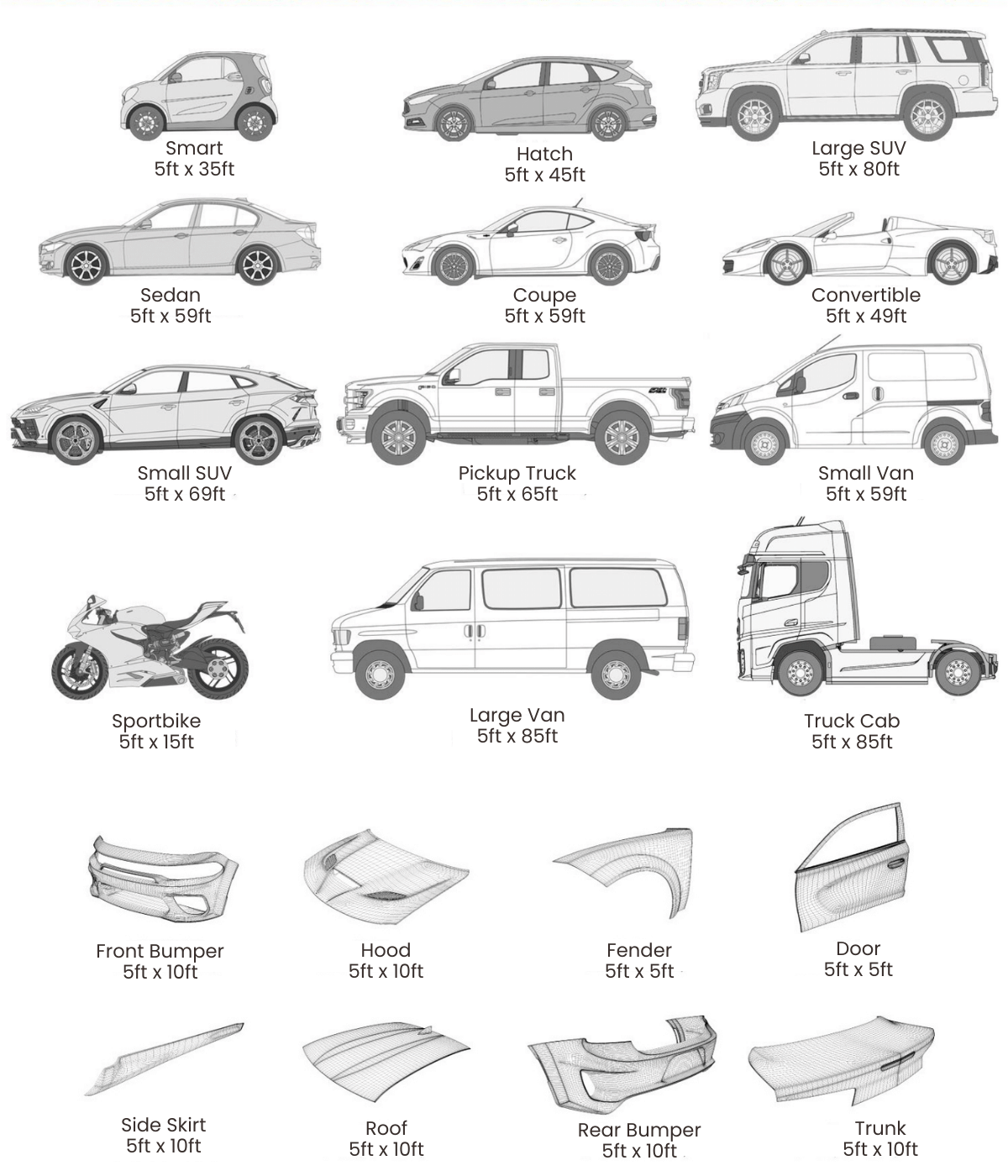
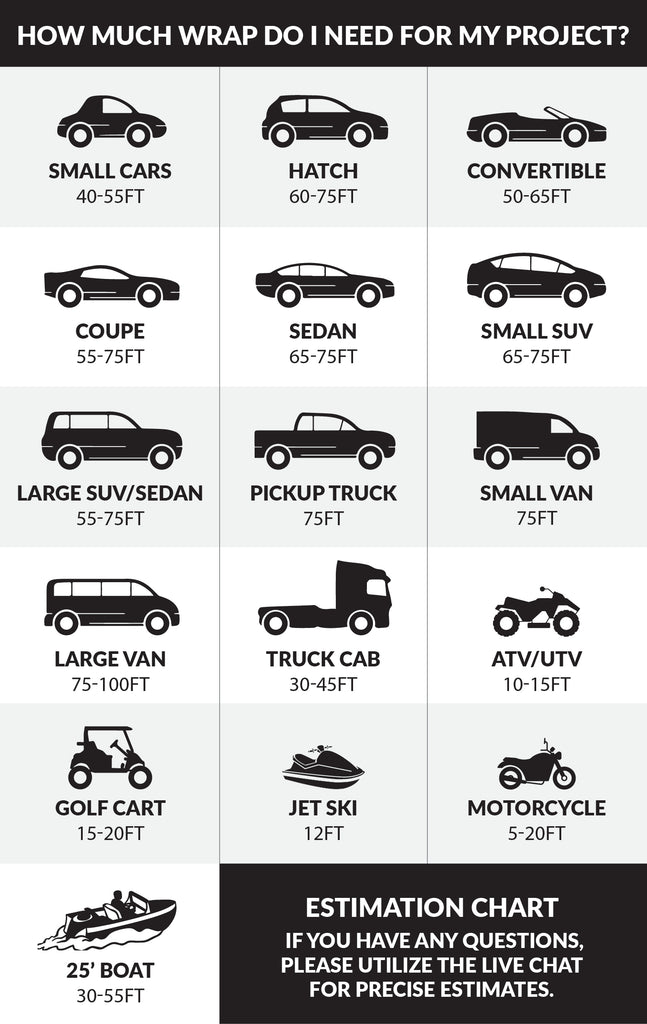
A full wrap covers the entire car, including doors, roof, and bumpers. It needs more vinyl, usually between 50 to 75 feet. A partial wrap covers only parts like the hood or side panels. It requires less material, around 20 to 30 feet. Deciding on full or partial affects the total vinyl length.
Accounting For Overlaps And Errors
Wrapping needs extra vinyl for overlaps and mistakes. Overlaps ensure the wrap sticks well and looks smooth. Mistakes happen, like cuts or bubbles that need fixing. Add 10 to 15 percent more vinyl than your car’s surface area. This buffer saves time and money during installation.
Credit: www.landroverftmyers.com
Tips For Efficient Wrapping
Wrapping a car with vinyl can be a smooth task with the right approach. Efficient wrapping saves time and material. It also gives a clean, professional look. Below are simple tips to help you wrap your car better.
Preparing The Car Surface
Start by cleaning the car surface thoroughly. Dirt and grease can stop the vinyl from sticking properly. Use soap and water, then dry the car well. Remove any old stickers or wax. Smooth surfaces help the vinyl lay flat and last longer.
Tools For Smooth Application
Gather tools before you start wrapping. A squeegee helps push air out from under the vinyl. A heat gun softens the vinyl to fit curves better. Use a sharp utility knife for trimming edges cleanly. Keep a microfiber cloth handy to clean dust as you work.
Avoiding Wrinkles And Bubbles
Apply the vinyl slowly and carefully. Start at one end and smooth it out as you go. Use the squeegee to press out air bubbles right away. Heat the vinyl gently on curves to prevent wrinkles. If bubbles appear, lift the vinyl slightly and smooth again.
Cost Considerations
Cost plays a big role in deciding how much vinyl wrap to use on a car. Many factors affect the total price. Understanding these helps you plan your budget well. It also helps avoid surprises during the project. Two main areas drive the cost: the material itself and the labor required to apply it.
Material Costs
The type of vinyl wrap you choose changes the cost. Basic vinyl is cheaper but may not last long. Premium vinyl costs more but looks better and lasts longer. Cars come in many sizes. Larger cars need more vinyl, which raises the price. Special finishes like matte or chrome add to the cost. Buying extra vinyl covers mistakes and ensures full coverage.
Labor And Installation Fees
Professional installation is key to a good finish. Skilled workers charge by the hour or the job size. Complex car shapes take more time and cost more. Removing old wraps or prepping the car adds to labor fees. Poor installation can lead to bubbles or peeling, costing more to fix. Budgeting for quality labor saves money in the long run.
Maintaining Your Vinyl Wrap
Maintaining your vinyl wrap keeps your car looking fresh and new. Proper care extends the life of the wrap and protects your investment. Regular upkeep prevents dirt buildup and damage. Follow easy steps to keep the wrap shiny and strong for years.
Cleaning Methods
Clean your vinyl wrap gently to avoid scratches. Use a soft cloth or sponge with mild soap and water. Avoid harsh chemicals or abrasive cleaners. Rinse with clean water and dry with a microfiber towel. Clean the wrap regularly to stop dirt from sticking.
Repairing Damage
Small scratches or tears need quick attention. Use vinyl wrap repair kits for minor fixes. For large damage, consult a professional. Avoid peeling or pulling the wrap yourself. Timely repairs keep the wrap smooth and prevent further damage.
Frequently Asked Questions
How Much Vinyl Wrap Is Needed For A Full Car Wrap?
A full car wrap typically requires 50 to 75 feet of vinyl wrap. The exact amount depends on the car’s size and shape. Larger vehicles need more vinyl, while smaller cars require less. Always purchase extra for mistakes and overlapping.
Can I Wrap A Car With Less Than 50 Feet Of Vinyl?
Wrapping a car with less than 50 feet of vinyl is usually not enough. Smaller sections or partial wraps may need less vinyl. For full coverage, always plan for at least 50 feet to ensure complete and seamless wrapping.
How Do Car Size And Shape Affect Vinyl Wrap Amount?
Bigger cars need more vinyl wrap due to larger surface areas. Complex shapes require extra material for curves and edges. Compact cars use less vinyl. Always measure your vehicle before buying vinyl to get an accurate amount.
Is Extra Vinyl Wrap Necessary For Mistakes And Trimming?
Yes, extra vinyl is essential to cover errors and trimming. Professionals recommend buying 10-20% more than needed. This prevents delays and ensures a smooth wrapping process. It’s better to have leftover vinyl than to run short.
Conclusion
Wrapping a car with vinyl needs careful planning. Measure your vehicle’s size first. Usually, 50 to 75 feet of vinyl works well. Allow extra for mistakes and curves. Choose quality vinyl for best results. Take your time to apply it smoothly.
A neat wrap can protect and refresh your car’s look. Vinyl wrap is a smart way to change style without paint. Keep these tips in mind to get the right amount. Your car will look great with the right wrap.


