Have you ever wondered if your car’s transmission fluid needs a check? Your vehicle relies on this fluid to keep everything running smoothly.
Ignoring it can lead to costly repairs and unexpected breakdowns. You’ll discover the simple signs that tell you when it’s time to check or replace your transmission fluid. Knowing these clues can save you money and keep your car driving like new.
Keep reading to learn how to protect your car and avoid trouble on the road.
Transmission Fluid Basics
Transmission fluid is a key part of your car’s transmission system. It keeps the transmission working smoothly. Without enough fluid, your car may face serious problems. Understanding the basics of transmission fluid helps you spot issues early. This section explains what transmission fluid does and the types available.
Role In Vehicle Performance
Transmission fluid lubricates the moving parts inside the transmission. It reduces friction and prevents wear and tear. The fluid also cools the transmission, stopping it from overheating. Proper fluid levels help your car shift gears smoothly. Low or dirty fluid can cause slipping or rough shifting. Clean fluid keeps the transmission running longer and better.
Types Of Transmission Fluid
There are several types of transmission fluid. Automatic Transmission Fluid (ATF) is common in most cars. It supports gear changes and protects the system. Manual transmission uses a different fluid type, often thicker. Some vehicles require special synthetic fluids for better performance. Always check your owner’s manual to find the right type. Using the wrong fluid can damage the transmission.

Credit: www.youtube.com
Common Symptoms Of Low Transmission Fluid
Transmission fluid is vital for your car’s smooth shifting and overall health. Low fluid can cause serious problems. Recognizing symptoms early helps avoid costly repairs. Below are common signs that your transmission fluid might be low.
Delayed Or Sluggish Shifting
Your car takes longer to change gears. Shifts feel rough or jerky. Sometimes, the transmission slips between gears. This delay signals low transmission fluid. The fluid helps gears engage smoothly and quickly.
Unusual Noises
Grinding, whining, or buzzing sounds come from the transmission. These noises often appear during gear changes. Low fluid means less lubrication, causing metal parts to rub. This rubbing creates strange sounds you should not ignore.
Transmission Overheating
The transmission gets hotter than normal. Overheating may cause a burning smell inside the car. Low fluid reduces cooling and lubrication. Heat damages transmission parts and leads to failure if not fixed.
Visual And Physical Checks
Checking your car’s transmission fluid visually and physically helps spot problems early. These checks are simple and do not need special tools. You can do them at home or anywhere safe. Regular checks keep your transmission healthy and save money on repairs.
Checking Fluid Level
Find the transmission fluid dipstick under the hood. Pull it out and wipe it clean. Insert it back fully, then pull it out again. Look at the fluid level on the stick. It should be between the “full” and “add” marks. Low fluid means you need to add more soon.
Inspecting Fluid Color And Smell
Check the fluid color on the dipstick. Healthy fluid looks bright red or pink. Dark brown or black fluid means it is old or dirty. Smell the fluid. A burnt odor signals overheating or damage. Fresh fluid has a slightly sweet or neutral smell.

Credit: www.youtube.com
Effects Of Neglecting Fluid Issues
Ignoring transmission fluid problems can cause serious issues. The transmission relies on this fluid to work well. Without enough fluid or clean fluid, parts inside the transmission wear out fast. This causes poor car performance and can lead to total transmission failure.
Not taking care of fluid issues can hurt the car’s safety and reliability. You might notice strange noises or trouble shifting gears. These signs show damage is happening. Acting late makes the problem worse and more expensive to fix.
Damage To Transmission Components
Transmission fluid lubricates gears and parts. Without it, friction increases and parts heat up. Heat causes metal parts to warp or break. Small parts like seals and gaskets dry out and crack. Dirt and debris build up without clean fluid. This clogs the system and causes more damage.
Costly Repairs
Neglecting fluid issues leads to major repairs. Fixing a damaged transmission often costs thousands of dollars. Sometimes, the whole transmission needs replacement. This repair is very expensive and time-consuming. Regular fluid checks and changes save money and keep the car running longer.
When To Top Up Or Replace Fluid
Knowing when to top up or replace your car’s transmission fluid is key to keeping your vehicle running smoothly. Transmission fluid helps your car change gears and cools the system. Over time, this fluid can get dirty or low, causing problems.
Checking the fluid regularly and following guidance can save you from costly repairs. Understanding the right time for maintenance keeps your transmission healthy and your drives safe.
Manufacturer Recommendations
Your car’s manual has the best advice on transmission fluid care. Manufacturers set specific intervals for checking and changing the fluid. These recommendations depend on the car model and driving conditions.
Some cars need a fluid change every 30,000 miles, others up to 60,000 miles. Follow these guidelines closely. Using the right type of fluid is also important. Check the manual or ask a mechanic for the correct fluid type.
Signs Fluid Needs Changing
Dark or dirty fluid signals a need for a change. Healthy transmission fluid is usually red or pink and clear. A burnt smell means the fluid is worn out.
Slipping gears or rough shifting can also mean low or bad fluid. Strange noises when changing gears are a warning sign. If your car hesitates or jerks, check the fluid level and condition.
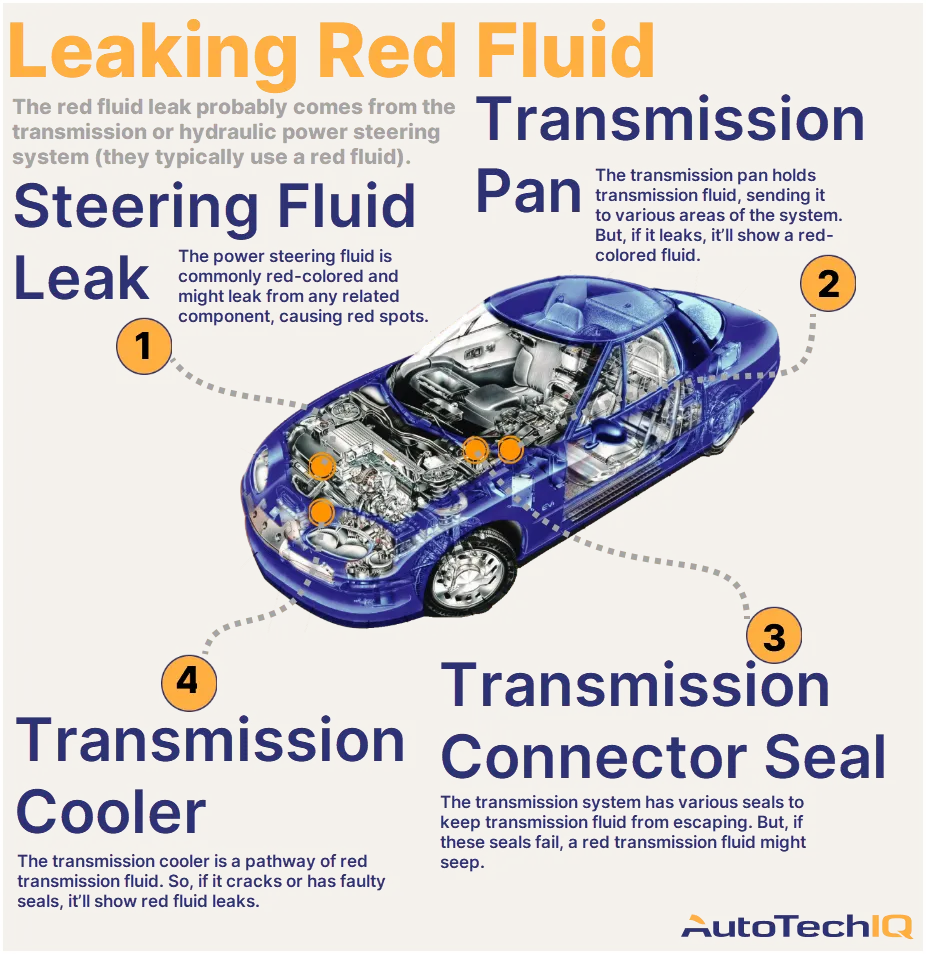
Leaking fluid under your car means a problem needs fixing right away. Keep an eye on these signs to avoid bigger issues.
Diy Vs Professional Service
Knowing whether your car needs transmission fluid can save you from costly repairs. You can check the fluid yourself or get a professional to do it. Both choices have their own advantages and challenges. Understanding these can help you decide the best way to care for your vehicle.
Pros And Cons Of Diy Checks
Checking transmission fluid yourself saves money on service fees. You learn more about your car’s condition. It is quick and can be done anytime. But, it requires some tools and knowledge. Mistakes like using the wrong fluid can cause damage. Reading the fluid level and color correctly is not easy. Some cars have sealed transmissions, making DIY checks impossible.
Benefits Of Professional Inspection
Professionals have the right tools and experience. They spot problems that are hard to see. The service includes a full inspection of the transmission system. It reduces the risk of errors in fluid checks. Technicians use the correct fluid type and amount. Professional checks can extend your car’s life. They also provide detailed advice on maintenance and repairs.
Credit: www.autotechiq.com
Frequently Asked Questions
How Often Should I Check My Transmission Fluid?
Check your transmission fluid every 30,000 to 60,000 miles. Regular checks prevent damage and ensure smooth shifting. Refer to your car’s manual for specific intervals. Low or dirty fluid can cause transmission issues.
What Are Common Signs Of Low Transmission Fluid?
Signs include slipping gears, delayed shifting, strange noises, and overheating. Your car may also jerk or hesitate when accelerating. These symptoms indicate fluid loss or contamination. Promptly check and refill to avoid costly repairs.
Can I Check Transmission Fluid Myself?
Yes, most cars have a dipstick to check fluid levels. Warm the engine, park on a level surface, then pull and wipe the dipstick. Reinsert it fully and check the fluid level and color for clarity and proper amount.
Why Is Transmission Fluid Important For My Car?
Transmission fluid lubricates moving parts, cools the transmission, and enables smooth gear shifts. Without proper fluid, parts wear quickly and may overheat. Maintaining the right fluid level helps extend your transmission’s lifespan and improves performance.
Conclusion
Knowing when your car needs transmission fluid helps avoid big problems. Watch for signs like slipping gears or strange noises. Check the fluid level and color regularly. Dark or burnt-smelling fluid means it needs changing. Clean, clear fluid keeps your transmission working well.
Don’t ignore small issues; they can grow fast. Taking care early saves money and stress later. Keep your car running smoothly and safely on the road. Simple checks make a big difference for your vehicle. Stay alert and act quickly when you notice changes.